



When a drug or alcohol test result is presented in family court proceedings, the stakes could not be higher.
Decisions about a child’s welfare, contact arrangements, or parental capacity may rest, at least in part, on the interpretation of that result.
For family law professionals instructing toxicology testing, understanding what goes into that interpretation is essential; a result that has not been properly contextualised could be misleading.
Central to the process are cut-off levels, but they are only part of the picture.
The role of cut-off levels
When a biological sample is analysed for drugs or alcohol, the laboratory measures the concentration of substances detected.
Cut-off levels are scientifically established thresholds that determine whether a detected concentration is reported as a confirmed positive result.
Their primary purpose is accuracy and fairness, ensuring that trace amounts acquired through passive or environmental exposure are not misattributed as evidence of active use. The so-called ‘cocaine kiss’ illustrates this, where a non-user could theoretically test positive following close contact with a cocaine user; a consequence of the way the drug dissolves in saliva.
At AlphaBiolabs, we follow the internationally-recognised cut-off guidelines set by the Society of Hair Testing (SoHT), whose recommendations are based on data from thousands of cases, cover a wide range of sample donors, and are reviewed regularly to reflect advancements in drug testing technology.
However, cut-off levels cannot account for biological variables, distinguish ingestion from contamination, or contextualise a result within the circumstances of the individual and the case.
Our expert interpretation
Every AlphaBiolabs drug and alcohol test report is produced by a highly-qualified Reporting Scientist with experience in forensic toxicology and/or family law.
Before any conclusion is reached, they consider a range of factors including:
- Hair biology – darker hair may retain higher concentrations of certain substances. Hair porosity (especially relevant when testing children) can also affect absorption.
- Cosmetic treatments – bleaching, perming, dyeing and excessive straightening can all affect drug retention in hair samples. Sample donors are asked to disclose recent treatments at collection, and these are factored into interpretation.
- Metabolite analysis – metabolites are the breakdown products the body produces after a drug has been consumed. They provide critical evidence about whether a substance was actively ingested or likely to be present via external contamination.
- Wash analysis – comparing drug levels in hair wash solution against those in the hair itself helps assess the likelihood of external contamination versus incorporation into the hair strand.
- Donor disclosures – declared medications, known substance use, or reported environmental exposure are recorded at sample collection. These can corroborate a positive result or provide legitimate context for one.
- Segmented or overview analysis – the type of analysis instructed will determine what the results can tell the court. Overview analysis provides a single result across the full detection window, with any episodes of use averaged across that period. Segmented analysis divides the hair sample into sections (1cm per month) allowing patterns of use, abstinence, or relapse to be identified.
Why holistic interpretation matters
A result interpreted solely by reference to a cut-off level may be technically accurate, but if it has not accounted for the biological variables affecting that sample, the findings of metabolite analysis, or the context provided by donor disclosures, it is not telling the full story.
Thorough and expert interpretation protects the integrity of the process, ensures that sample donors are treated fairly, and helps the court to make fully informed decisions.
AlphaBiolabs is a UKAS 17025-accredited laboratory (with Lab 51 extension for toxicology) with over 20 years’ experience supporting family law professionals, social workers and local authorities with court-admissible drug and alcohol testing.
To request a quote or discuss the requirements of your case, contact our New Enquiry team on 0333 600 1300, email testing@alphabiolabs.com, or complete our online quote form at https://www.alphabiolabs.co.uk/legal-test-forms/.

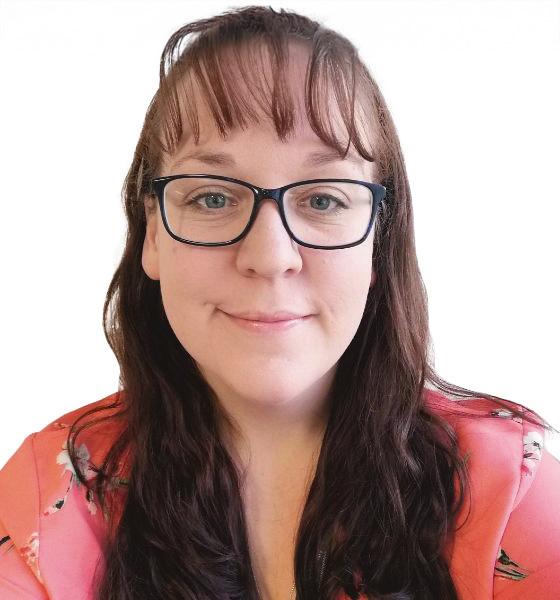
A highly-skilled and respected scientist with over 15 years’ experience in the field of forensics, Marie oversees the company’s growing toxicology team.
As Director of Toxicology, Marie’s day-to-day responsibilities include maintaining the highest quality testing standards for toxicology and further enhancing AlphaBiolabs’ drug and alcohol testing services for the workplace sector, members of the public, and the legal sector.


