header-logo header-logo

16 April 2015 / Steve Hynes
Issue: 7649 / Categories: Opinion , Legal aid focus , Legal services
printer mail-detail

The choice is yours

nlj_24_04_15_comment_hynes

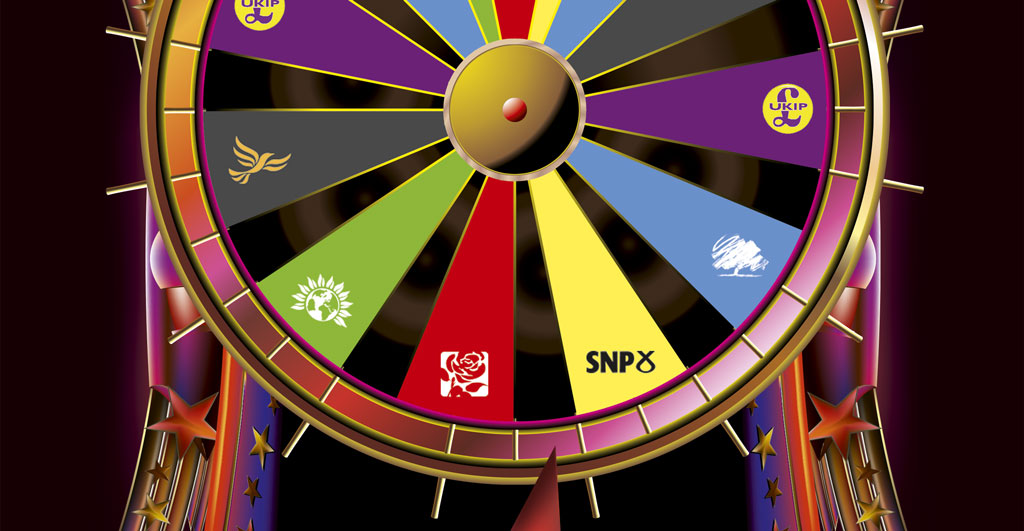
Steve Hynes examines the policies political parties are offering the electorate on access to justice & legal aid

Through a combination of scope and fee cuts around £600m-£700m has been cut by the coalition government from the legal aid budget over this parliament. These cuts mean around 650,000 have been denied access to justice. The Conservatives seem committed to more cuts and former legal aid lawyer Sadiq Khan, the Labour Shadow Lord Chancellor, has made it clear that if they form the next government he will not be able to turn back the clock on all the changes to legal aid. Against this background the outlook does not appear optimistic for legal aid lawyers, the not-for-profit advice sector and the clients they serve, but there are some glimmers of light in the manifestos and other pronouncements from the politicians as they make their pitch to voters.

Dividing line

A clear dividing line between the two main political parties is the issue of the tenders for duty contracts for police and magistrates’

If you are not a subscriber, subscribe now to read this content
If you are already a subscriber sign in
...or Register for two weeks' free access to subscriber content

MOVERS & SHAKERS

Gateley Legal—Caroline Pope & Bob Maynard

Gateley Legal—Caroline Pope & Bob Maynard

Construction team bolstered by hire of senior consultant duo

Switalskis—four appointments

Switalskis—four appointments

Firm expands residential conveyancing team with quadruple appointment

mfg Solicitors—Claire Pope

mfg Solicitors—Claire Pope

Private client team welcomes senior associatein Worcester

NEWS
What safeguards apply when trust corporations are appointed as deputy by the Court of Protection? 
Disputing parties are expected to take part in alternative dispute resolution (ADR), where this is suitable for their case. At what point, however, does refusing to participate cross the threshold of ‘unreasonable’ and attract adverse costs consequences?
When it comes to free legal advice, demand massively outweighs supply. 'Millions of people are excluded from access to justice as they don’t have anywhere to turn for free advice—or don’t know that they can ask for help,' Bhavini Bhatt, development director at the Access to Justice Foundation, writes in this week's NLJ
When an ex-couple is deciding who gets what in the divorce or civil partnership dissolution, when is it appropriate for a third party to intervene? David Burrows, NLJ columnist and solicitor advocate, considers this thorny issue in this week’s NLJ
NLJ's latest Charities Appeals Supplement has been published in this week’s issue
back-to-top-scroll