header-logo header-logo

Don’t spin the greenwash

17 September 2021 / Caroline Greenwell , Peter Carlyon
Issue: 7948 / Categories: Features , Environment
printer mail-detail
57437
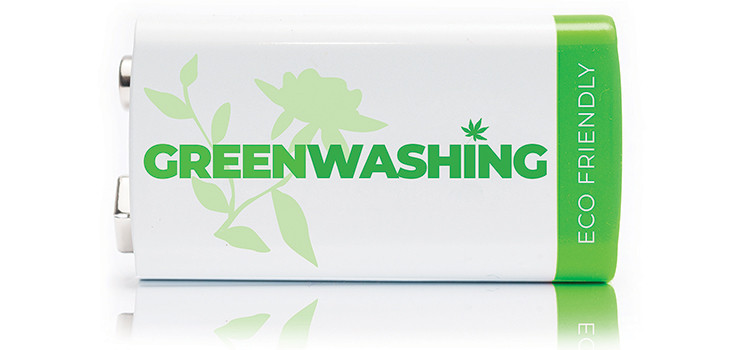
Caroline Greenwell & Peter Carlyon consider the issue of companies exaggerating their green credentials
  • Looks at extent and impact of greenwashing by companies, reputational damage where they’re caught out and potential regulatory action.

Sustainability and environmentalism are featuring at the core of brands’ identities with increasing prevalence. With environmentally conscious consumers demanding greener products, brands have been under more pressure than ever to publicise their environmental credentials. This pressure looks set to increase with research by data analytics company Kantar in September 2020 ‘Who cares? Who does?’ suggesting sustainability has become a bigger concern for consumers since the COVID-19 pandemic began.

All talk no action?

Hand in hand with this consumer pressure, comes a temptation to exaggerate green credentials, to which some brands appear to be bowing. It is not new for bold, current and memorable marketing to be used to attract consumers to particular products and services but when the headlines include net-zero targets and claims of ‘plastic free’ and ‘recycled materials only’, to what

If you are not a subscriber, subscribe now to read this content
If you are already a subscriber sign in
...or Register for two weeks' free access to subscriber content

MOVERS & SHAKERS

Kennedys—Samson Spanier

Kennedys—Samson Spanier

Commercial disputes practice bolstered by partner hire

Bird & Bird—Emma Radcliffe

Bird & Bird—Emma Radcliffe

London competition team expands with collective actions specialist hire

Hill Dickinson—Chris Williams

Hill Dickinson—Chris Williams

Commercial dispute resolution team in London welcomes partner

NEWS
Judging is ‘more intellectually demanding than any other role in public life’—and far messier than outsiders imagine. Writing in NLJ this week, Professor Graham Zellick KC reflects on decades spent wrestling with unclear legislation, fragile precedent and human fallibility
The long-predicted death of the billable hour may finally be here—and this time, it’s armed with a scythe. In a sweeping critique of time-based billing, Ian McDougall, president of the LexisNexis Rule of Law Foundation, argues in this week's NLJ that artificial intelligence has made hourly charging ‘intellectually, commercially and ethically indefensible’
From fake authorities to rent reform, the civil courts have had a busy start to 2026. In his latest 'Civil way' column for NLJ this week, Stephen Gold surveys a procedural landscape where guidance, discretion and discipline are all under strain
Fact-finding hearings remain a fault line in private family law. Writing in NLJ this week, Victoria Rylatt and Robyn Laye of Anthony Gold Solicitors analyse recent appeals exposing the dangers of rushed or fragmented findings
As the Winter Olympics open in Milan and Cortina, legal disputes are once again being resolved almost as fast as the athletes compete. Writing in NLJ this week, Professor Ian Blackshaw of Valloni Attorneys examines the Court of Arbitration for Sport’s (CAS's) ad hoc divisions, which can decide cases within 24 hours
back-to-top-scroll