header-logo header-logo

04 July 2025 / Tom Franklin
Issue: 8123 / Categories: Opinion , Legal services , Profession , Criminal
printer mail-detail

Magistrates matter

224745
The volunteer judiciary has faced neglect. Tom Franklin explains why addressing this is important—for all parts of the legal system

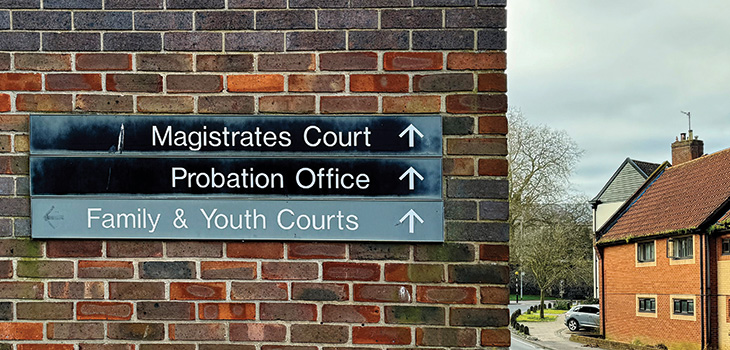
Most readers of the New Law Journal will need little reminding that our justice system has, for too long, operated on goodwill stretched to breaking point. The strain on criminal legal aid, the crisis in court maintenance, the exodus from the Crown Prosecution Service and private defence practice—none of this is news to solicitors and barristers. What is perhaps less widely discussed, though, is that magistrates—the volunteer judiciary who hear over 90% of criminal cases—have faced similar neglect, while helping to prop up an overstretched system.

The ‘Magistrates Matter’ report, recently published by the Magistrates’ Association, the only membership body and independent voice for magistrates, does not ask for miracles. It sets out seven practical, modest recommendations to recognise and retain this vital volunteer force—and to help ensure that the courts they serve are resilient, effective and trusted by the public. These recommendations cost little in the scheme of things, but their

If you are not a subscriber, subscribe now to read this content
If you are already a subscriber sign in
...or Register for two weeks' free access to subscriber content

MOVERS & SHAKERS

Clarke Willmott—Matthew Roach

Clarke Willmott—Matthew Roach

Partner joins commercial property team in Taunton office

Farrer & Co—Richard Lane

Farrer & Co—Richard Lane

Londstanding London firm appoints new senior partner

Bird & Bird—Sue McLean

Bird & Bird—Sue McLean

Commercial team in London welcomes technology specialist as partner

NEWS
What safeguards apply when trust corporations are appointed as deputy by the Court of Protection? 
Disputing parties are expected to take part in alternative dispute resolution (ADR), where this is suitable for their case. At what point, however, does refusing to participate cross the threshold of ‘unreasonable’ and attract adverse costs consequences?
When it comes to free legal advice, demand massively outweighs supply. 'Millions of people are excluded from access to justice as they don’t have anywhere to turn for free advice—or don’t know that they can ask for help,' Bhavini Bhatt, development director at the Access to Justice Foundation, writes in this week's NLJ
When an ex-couple is deciding who gets what in the divorce or civil partnership dissolution, when is it appropriate for a third party to intervene? David Burrows, NLJ columnist and solicitor advocate, considers this thorny issue in this week’s NLJ
NLJ's latest Charities Appeals Supplement has been published in this week’s issue
back-to-top-scroll