


What was your route into the legal profession?
I studied law at Brunel University London from 1976 on a four-year sandwich course, combining study with extended work placements.
My placements were with Worcestershire law firm Ivens & Morton based in Kidderminster and Bewdley, where I worked in both the criminal and family departments, gaining valuable experience with solicitors, clients and court procedures. I also spent a year as a clerical officer at Worcester Crown Court, learning how the court system operated behind the scenes.
The placement scheme helped me secure articles of clerkship with the firm after completing my professional exams at the College of Law. I strongly believe work experience is invaluable in developing practical skills and employability for undergraduates. I qualified with the firm, became a partner two years later, and proudly served as chairman for a record 17 years. The firm became mfg Solicitors LLP in 2005 and I remained there until retiring in 2023.
What has been your biggest career challenge so far?
Now retired, I no longer carry the responsibilities of chairman and running the firm. One of the biggest challenges during my career was balancing fee-earning work with management duties. We believed partners should remain involved in client work while serving on the board, as it kept them connected to the realities of practice.
A key focus was developing future leaders and ensuring strong succession planning. The profession has continually adapted to changes in technology, regulation and competition, and well-managed, agile firms have survived and prospered. I also believe good lawyers also need strong business skills.
Much is said about artificial intelligence; I see it not as a threat, but as a major opportunity for the legal profession. Firms that embrace it with careful management and an open mind will benefit greatly; those that do not may struggle.
Which person within the legal profession inspires you most?
No one in particular, although I found the colourful and controversial Judge Michael Argyle MC fascinating. His career included defending Ronnie Biggs and presiding over the Oz obscenity trial. He also spoke at our university’s annual dinner.
If you weren’t a lawyer what would you choose as an alternate career?
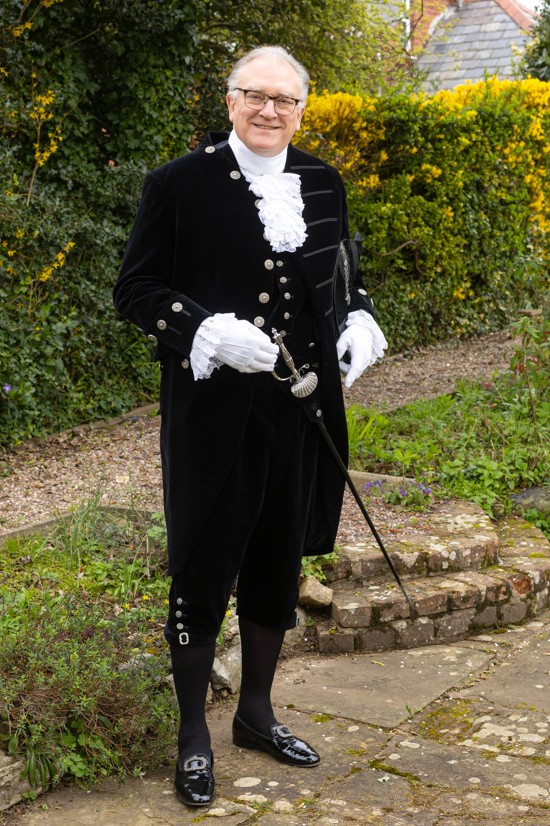
It’s rather late for a career change now, but if I had my time again, I would have liked to have been an RAF pilot like my father who flew during the Second World War. The discipline, structure and challenge always appealed to me. In April this year, however, I was declared High Sheriff of Worcestershire, which is a great honour and keeps me very busy.
What is the history and purpose of a High Sheriff?
The office of High Sheriff is over 1,000 years old and the oldest secular office under the Crown, operating at no cost to the public purse. Today it’s mainly ceremonial, supporting the rule of law, civic life, the emergency services, voluntary organisations, faith groups and local authorities, while also assisting the Lord Lieutenant during royal visits and official events.
How did you become High Sheriff?
Future High Sheriff appointments are led by the serving High Sheriff, supported by a county nomination panel. In Worcestershire, the panel meets twice yearly and includes local figures such as former Sheriffs, a judge and respected community members.
Suitable candidates are identified and, if willing, their names are submitted for approval by the Monarch. The King formally appoints or “pricks” the High Sheriffs each March for a one-year term, with declaration ceremonies held shortly afterwards. The process can take several years from nomination to appointment.
What are your goals as High Sheriff for the next 12 months?
In broad terms to fulfil the obligations set out above but more specifically:
One of my priorities is to promote confidence in the justice system at a time when many people feel disconnected from it. I will continue the ‘Getting Court’ programme introduced in Worcestershire by former High Sheriff, Ian Smith, where each month students visit Worcester Crown Court to observe real cases, meet legal professionals and take part in discussions with judges and reformed offenders. The scheme helps young people understand the justice system and the lasting impact of poor decisions.
Another priority is recognising the contribution of volunteers, emergency responders and community leaders across the county. I have developed links with St John’s Ambulance and appointed two High Sheriff cadets, who will accompany me to events and gain insight into civic life, the judiciary and emergency services. I also want to support those working with young people in crime prevention, rehabilitation, education and mentoring. I strongly believe early intervention, compassion and kindness are essential to justice.
How do you relax?
When I have time, I enjoy driving my 1969 E-Type Jaguar, attending Masonic activities and playing crown green bowls!
Maynard Burton was a partner and chairman at county law firm mfg Solicitors for over 40 years, and is now serving as High Sheriff of Worcestershire.


