


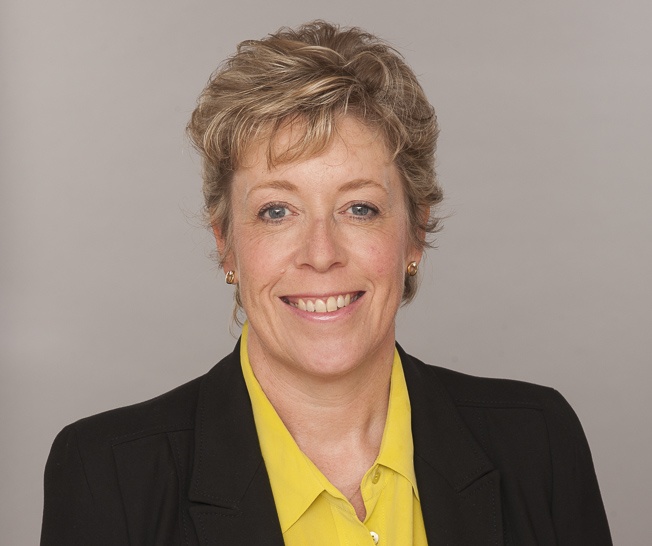
Blake Morgan's litigation director & winner of 'Professional of the Year' at the 2018 Venus Awards talks to NLJ
What was your route into the profession?
I studied arts subjects at A-Level, and law seemed like a good option to combine all of those interests. I come from a family of academics but didn’t want to follow that path—even if I wasn’t really sure what was involved in a law degree at the time. After graduating from Southampton University, I took my law finals in Guildford and joined what was then Blake Lapthorn as an articled clerk. I’ve been there ever since and have watched it evolve from the days of being essentially a high street firm to become an established top 50 UK law firm. It’s being a part of that growth trajectory and change that has kept me there for more than 30 years.
What has been your biggest career challenge so far?
There have been many, but I think managing the litigation division throughout a series of mergers has been most demanding. Blake Morgan as you see it today is the product of a number of mergers, most significantly that between Blake Lapthorn and Morgan Cole in 2014. As member of the board and divisional director, I had to oversee the integration of the work streams and the people and make sure the outcome of the merger was stronger than its respective parts.
Which person within the legal profession inspires you most?
There are two people who have been big influences throughout my career, but especially when I was starting out. The first is Professor David Higham, who was the head of litigation when I qualified. He made me realise there was more to being a solicitor than just doing my cases. A former officer in the Royal Navy, he showed me first hand that it is as much about how you work and run the business, as it is about the legal work. He was always looking for innovative, new ways to do things and improve things. This was such valuable advice for my future role as divisional director, and it’s certainly had an impact on how I today try to coach and encourage newly qualified staff.
I’d also have to mention a barrister named Dennis Matthews who I worked with for many years. I constantly admired how calm he was under fire. He was always incredibly client focused and maintained a strong grasp of the detail of each case as well as keeping the overall case strategy going. He was just outstanding, and I learnt so much from him.
If you weren’t a lawyer, what would you choose as an alternative career?
I think I would have probably followed my parents into the teaching profession. My mother was a deputy headteacher and my father was an academic and university lecturer. As it happens I have been drawn into doing some teaching alongside my legal work, lecturing on a number of university programmes and teaching GCSE law. I find it hugely rewarding to see and help others achieve, especially when they thought they wouldn’t. I taught Law GCSE in Portsmouth to a group of adults who had failed at school and were returning to education in their twenties, and it was so rewarding to see my pupils not only passing the qualification but gaining their confidence and really excelling.
Who is your favourite fictional lawyer?
Technically he’s not a lawyer but it would be the French detective Maigret. I’m a big fan of detective thrillers and murder mysteries, but also just love the nostalgia, glamour and the atmospheric nature of Paris in the 1950s that’s depicted in the Maigret books. I’m a bit of a Francophile so maybe that has something to do with it.
What change would you make to the profession?
I would make it truly gender diverse. When I graduated from university, half of the graduates on my course were female. Fast forward 34 years to today and only 18% of top positions in law firms are held by women. I want to see all senior management teams having a 50:50 gender split. Having a token woman does not count for gender diversity, and truly diverse teams are the most effective.
The big challenge for the industry as a whole is to get better at retaining the really good women who are in their mid-30s, so that they can take up the leadership roles of the future. Part of this is recognising that employees have other commitments and responsibilities to balance with their work and creating the kind of flexible and agile work environments that make this feasible.
Supporting and championing other women through their law careers is very important to me, and I hope that my experience shows it is possible to hit professional heights at the same time as having children.
How do you relax?
I live in the New Forest and keep horses there, so I’ll ride or walk the dogs. We grow fruit and vegetables in our garden, so I like to cook with our own produce—and a glass of wine in hand!


.tmb-mov69x69.jpg?sfvrsn=2c3eca9_1)


