


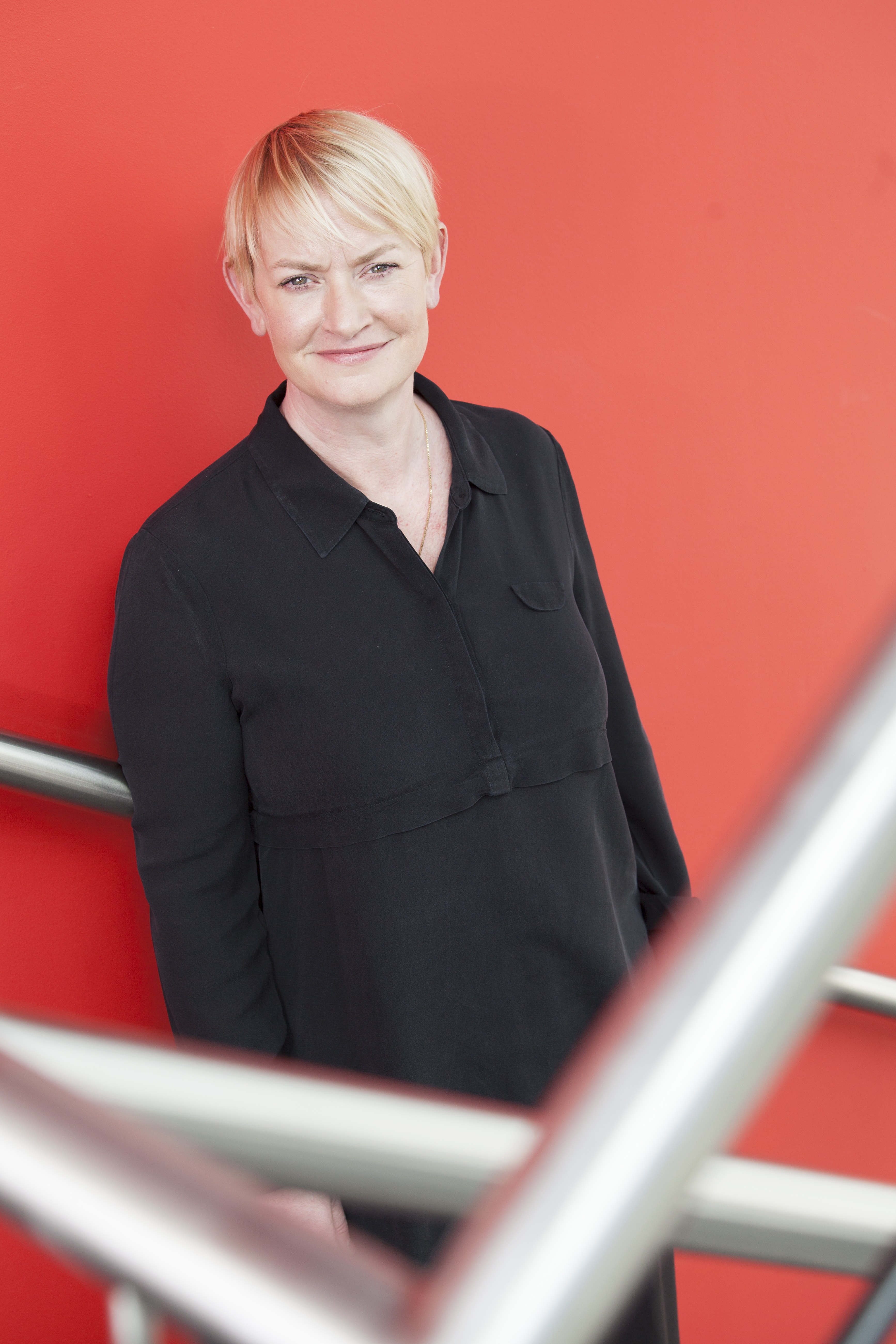
The chair of Morton Fraser recognises that flexibility & work-life balance are essential ingredients for a thriving profession
Maggie Moodie is a partner in Morton Fraser’s litigation division, leads its public sector practice and has recently been appointed chair of the firm.
What was your route into the profession?
Pretty traditional really—I went to Edinburgh University and undertook my traineeship at Morisons Solicitors. Before I undertook the Diploma, I took a year out and set up a low calorie catering company called 'Lean Line'. That was a great experience but I quickly learned that my love of cooking didn't translate into doing it for a living. I wasn't convinced that law was for me until my six months' stint in the litigation team and was hooked from then on.
What has been your biggest career challenge so far?
Implementing Morton Fraser's 'Clear Pricing' policy in our litigation division wasn't my biggest career challenge but it was a really interesting one. Although setting fixed fees for defended court actions can be challenging, we knew that the 'how long is a piece of string' answer just wasn't good enough when clients asked about costs. The team latched on to the idea really quickly and embraced it. Clients appreciate clear pricing and transparency.
Which person within the legal profession inspires you most?
The founder of legal outsourcing company Intelligent Office—Mags McPherson. Mags is a great friend of mine and is truly inspirational—the hardest working, most committed person I've ever met. Charismatic and determined, she grew Intelligent Office from nothing, to the successful business it is today. Known amongst friends as 'a force of nature', if she sets her mind on something, you know it gets done—and done to the best of her ability.
If you weren't a lawyer, what would you choose as an alternative career?
If I got to start again and choose? As uninspired as it sounds, I'd still do law. I've met some great people along the way and been really fortunate with how my career has progressed.
Who is your favourite fictional lawyer?
Maxine Peake in Silk—it's one of the few reasonably convincing legal dramas in the UK and she's a terrific actress. My all-time favourite, however, is Alicia Florick of The Good Wife. Alan Cumming also plays a good part.
What change would you make to the profession?
Morton Fraser has for a long time lived and breathed gender parity and offered flexible working patterns. If the profession is to thrive and attract the best talent, it needs to understand that flexibility and work life balance is really important. Millennials want more flexibility, more involvement with decision making and alternative career paths.
How do you relax?
Spending time with my husband Pete, family and friends. Time with our grandson, Hunter, isn't exactly relaxing, but it's a whole lot of fun!


