What was your route into the profession?
It was purely by chance. I’d just finished my GCSEs, but I wasn’t too enamoured by school and announced my intentions to my dad that I wasn’t going back to the sixth form. He told me I had a week to find a job, otherwise it was back to school for me. So, I went to the local job centre with a friend—he took one card and I took the other, which was for an office junior in a solicitors’ firm on the high street. I was interviewed on a Wednesday (with a borrowed jacket and tie) and started on the Thursday. I did everything but legal work for ten years until I was encouraged by a colleague to take the CILEx route. I then moved into public law a few years later where I was encouraged by another colleague to finish my CILEx qualification. Thirteen years after starting my studies I became a Fellow of the Chartered Institute of Legal Executives.
What has been your biggest career challenge so far?
Parity within the profession. Working alongside solicitors who had greater recognition than me even though I had been doing the job longer. It included a different job title to my counterparts and even less money. I’m glad to say my current employer, Wrexham Council, recognised and addressed the imbalance.
Which person within the legal profession inspires you most?
I had two very generous colleagues who gave me a push and encouragement. Andrew Reeve, a solicitor at Gamlins who had cross-qualified and set me on my journey with CILEx. Glenda Jones, who was the principal solicitor at Wrexham County Borough Council and who made me complete my studies. Both exceptional lawyers in different ways. The inspiration they both gave me made me the lawyer I am today.
If you weren’t a lawyer, what would you choose as an alternate career?
I’d love to be a singer. Not a famous pop singer, but a classically trained singer (see below). I kid myself that I’m quite good!
Who is your favourite fictional lawyer?
Obvious answer, but probably Atticus Finch. I’m also very fond of Rumpole of the Bailey!
What change would you make to the profession?
I want to see us lobbying even more vociferously for changes to out-of-date laws that fail to give our members equality of opportunity within the legal profession. Whether it’s the ability to apply for higher judicial posts, international recognition under the EU Lawyer Recognition Directive, or the ability to sign or certify certain legal documents, I want to carry on the great work that has been undertaken by my predecessor, Phil Sherwood, and push for change.
How do you relax?
I love to read (anything) but my great passion is music, especially opera. I love to listen to any opera but my particular favourites are Verdi and Puccini. The music is like oxygen to me. I can’t imagine a day without music.
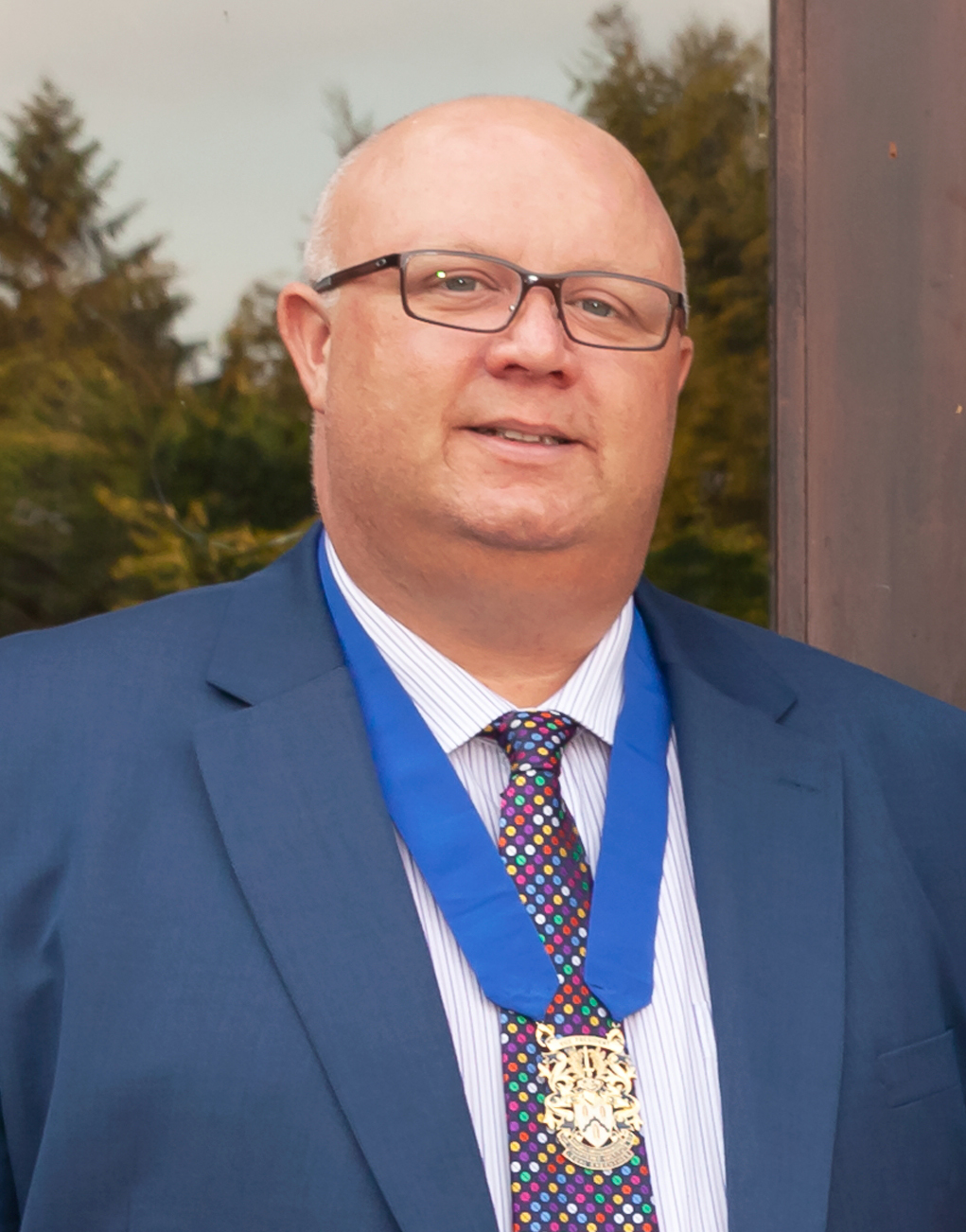
Matthew Foster was recently appointed as president of the Chartered Institute of Legal Executives, and is also a data protection officer and lawyer with Wrexham County Borough Council.