header-logo header-logo

Silks by numbers: the 2020 roll call

17 January 2020
Issue: 7871 / Categories: Legal News , Profession
printer mail-detail

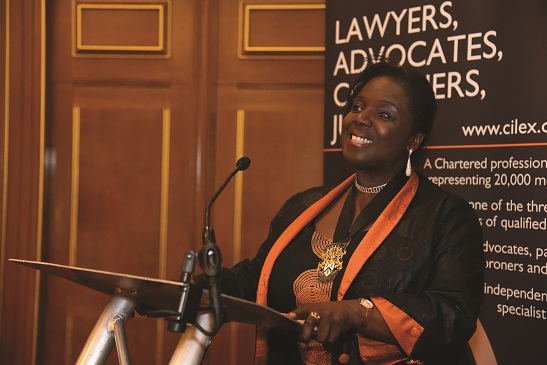
Some 114 lawyers attained the prestigious grade of Queen’s Counsel last week, while ten were appointed Honorary QCs in the latest silk list―including the first Chartered Legal Executive QC, former CILEx president Millicent Grant (pictured).

Some 114 lawyers attained the prestigious grade of Queen’s Counsel this week, while ten were appointed Honorary QCs in the latest silk list―including the first Chartered Legal Executive QC, former CILEx president Millicent Grant (pictured).

The new silks include 30 women, out of 52 who applied, and 22 black and ethnic minority (BAME) applicants out of 42 who applied, compared to 13 BAME QCs in last year’s round. Four solicitor advocates were successful, of nine who applied.

The youngest successful applicant is 37 years old, and the oldest is 60. Some 26 applicants aged over 50 were appointed.

Sir Alex Allan, Chair of the Selection Panel, said: ‘I congratulate each one of them.  

‘The selection process is a rigorous and demanding one. We remain concerned that the number of female applicants remains comparatively low, but I am pleased that of those women who did apply, almost 60% were successful. I was also pleased to note that a record number of 22 BAME applicants were appointed.’

In total, 258 lawyers applied for silk, of which 181 reached the interview stage. The next round is expected to start next month.

Honorary QCs are awarded to those who have made a major contribution to the law outside the courts. CILEx board member Millicent Grant was the first person from a BAME background to lead a legal professional body and has championed the advancement of Legal Executive Lawyers in the legal profession and judiciary, as well as diversity and social mobility throughout her career to date.

Grant said: ‘I am a big believer that there is more than one route into the law and that CILEx, with its diverse membership, has an important role to play in bringing people from a range of different backgrounds into the legal profession.’

The new QCs will formally become silks at a ceremony on 16 March.

Issue: 7871 / Categories: Legal News , Profession
printer mail-details

MOVERS & SHAKERS

Carey Olsen—Kim Paiva

Carey Olsen—Kim Paiva

Group partner joins Guernsey banking and finance practice

Morgan Lewis—Kat Gibson

Morgan Lewis—Kat Gibson

London labour and employment team announces partner hire

Foot Anstey McKees—Chris Milligan & Michael Kelly

Foot Anstey McKees—Chris Milligan & Michael Kelly

Double partner appointment marks Belfast expansion

NEWS
The Ministry of Justice (MoJ) has not done enough to protect the future sustainability of the legal aid market, MPs have warned
Writing in NLJ this week, NLJ columnist Dominic Regan surveys a landscape marked by leapfrog appeals, costs skirmishes and notable retirements. With an appeal in Mazur due to be heard next month, Regan notes that uncertainties remain over who will intervene, and hopes for the involvement of the Lady Chief Justice and the Master of the Rolls in deciding the all-important outcome
After the Southport murders and the misinformation that followed, contempt of court law has come under intense scrutiny. In this week's NLJ, Lawrence McNamara and Lauren Schaefer of the Law Commission unpack proposals aimed at restoring clarity without sacrificing fair trial rights
The latest Home Office figures confirm that stop and search remains both controversial and diminished. Writing in NLJ this week, Neil Parpworth of De Montfort University analyses data showing historically low use of s 1 PACE powers, with drugs searches dominating what remains
Boris Johnson’s 2019 attempt to shut down Parliament remains a constitutional cautionary tale. The move, framed as a routine exercise of the royal prerogative, was in truth an extraordinary effort to sideline Parliament at the height of the Brexit crisis. Writing in NLJ this week, Professor Graham Zellick KC dissects how prorogation was wrongly assumed to be beyond judicial scrutiny, only for the Supreme Court to intervene unanimously
back-to-top-scroll