header-logo header-logo

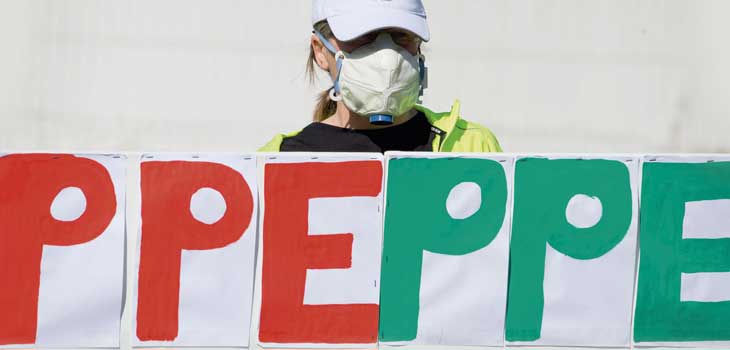
At the front line of COVID-19 — forgotten victims?

21411
Theo Huckle QC, Nick Brown and Frederick Powell

In a sense, we are all ‘victims’ of the 2020 Coronavirus pandemic. Our lives have been changed dramatically by its effects at the domestic, community, regional, national and international levels. None of us born since WWII has experienced the restrictions of movement/activity we are experiencing as ‘lockdown’, albeit with some signs of relaxation now. There are serious wellbeing issues associated with being confined to the home for the majority of time, and no doubt those suffering domestic strain, let alone abuse, are truly ‘suffering’. One thinks also of those self-denying or being denied access to treatment for other health conditions because of the necessary concentration of health resources upon COVID-19 patients. All of this without considering the serious economic effects of deprivation of income for many people who really cannot afford any reduction in their already stretched incomes. However, some are more equal than others, as Orwell had it.

For all of these

If you are not a subscriber, subscribe now to read this content
If you are already a subscriber sign in
...or Register for two weeks' free access to subscriber content

MOVERS & SHAKERS

NLJ Career Profile: Nikki Bowker, Devonshires

NLJ Career Profile: Nikki Bowker, Devonshires

Nikki Bowker, head of litigation and dispute resolution at Devonshires, on career resilience, diversity in law and channelling Elle Woods when the pressure is on

Ellisons—Sarah Osborne

Ellisons—Sarah Osborne

Leasehold enfranchisement specialist joins residential property team

DWF—Chris Air

DWF—Chris Air

Firm strengthens commercial team in Manchester with partner appointment

NEWS
A simple phrase like ‘subject to references’ may not protect employers as much as they think. Writing in NLJ this week, Ian Smith, barrister and emeritus professor of employment law at UEA, analyses recent employment cases showing how conditional job offers can still create binding contracts

An engagement ring may symbolise romance, but the courts remain decidedly practical about who keeps it after a split, writes Mark Pawlowski, barrister and professor emeritus of property law at the University of Greenwich, in this week's NLJ

The Financial Conduct Authority (FCA) has become ‘a very different organisation’ under its new enforcement leadership, writes James Tyler, of counsel at Peters & Peters LLP, in the latest issue of NLJ
Contract damages are usually assessed at the date of breach—but not always. Writing in NLJ this week, Ian Gascoigne, knowledge lawyer at LexisNexis, examines the growing body of cases where courts have allowed later events to reshape compensation
The government will aim to pass legislation banning leasehold for new flats and capping ground rent, introducing non-compulsory digital ID and creating a ‘duty of candour’ for public servants (also known as the Hillsborough law) in the next Parliament
back-to-top-scroll