header-logo header-logo

06 February 2015 / Robert Weir KC
Issue: 7639 / Categories: Features , Human rights
printer mail-detail

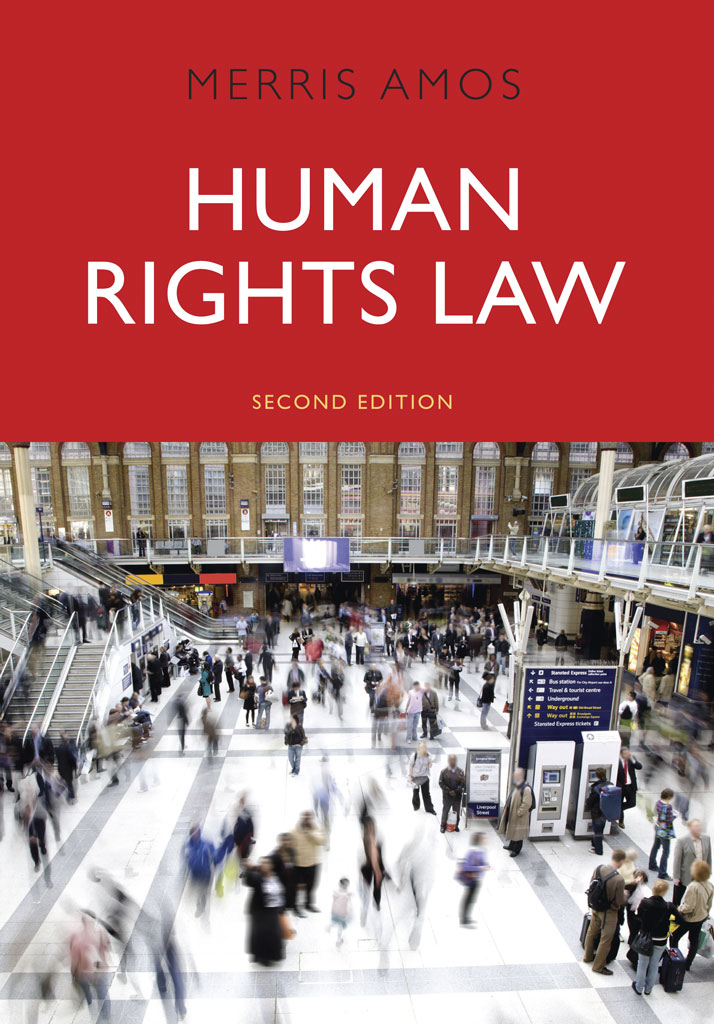
Book review: Human Rights Law (2nd edition)

backpage-amos

“Amos has done well to compress the case law on the Act into 178 pages without omitting reference to all of the key cases”

Author: Merris Amos
Publisher: Hart Publishing
ISBN: 9781849463805
Price: £35.00

The Human Rights Act 1998 has had a profound impact on the law of England and Wales. It has led to an astonishing amount of litigation across all areas of law and is invoked in many, if not most, of the cases determined by the Supreme Court. It has occupied and strained judicial minds at the highest level from the moment it came into force in October 2000. And there is no sign of litigation involving the Act relenting any time soon.

Well-structured & informative

It is perhaps surprising, therefore, that there are so few textbooks covering the law generated in relation to the Human Rights Act. Two major textbooks, T he Law of Human Rights (Clayton and Tomlinson) and Human rights and practice (Lester, Pannick & Herberg) may vie for the title of the

If you are not a subscriber, subscribe now to read this content
If you are already a subscriber sign in
...or Register for two weeks' free access to subscriber content

MOVERS & SHAKERS

NLJ Career Profile: Nikki Bowker, Devonshires

NLJ Career Profile: Nikki Bowker, Devonshires

Nikki Bowker, head of litigation and dispute resolution at Devonshires, on career resilience, diversity in law and channelling Elle Woods when the pressure is on

Ellisons—Sarah Osborne

Ellisons—Sarah Osborne

Leasehold enfranchisement specialist joins residential property team

DWF—Chris Air

DWF—Chris Air

Firm strengthens commercial team in Manchester with partner appointment

NEWS
Contract damages are usually assessed at the date of breach—but not always. Writing in NLJ this week, Ian Gascoigne, knowledge lawyer at LexisNexis, examines the growing body of cases where courts have allowed later events to reshape compensation
A simple phrase like ‘subject to references’ may not protect employers as much as they think. Writing in NLJ this week, Ian Smith, barrister and emeritus professor of employment law at UEA, analyses recent employment cases showing how conditional job offers can still create binding contracts

An engagement ring may symbolise romance, but the courts remain decidedly practical about who keeps it after a split, writes Mark Pawlowski, barrister and professor emeritus of property law at the University of Greenwich, in this week's NLJ

Medical reporting organisation fees have become ‘the final battleground’ in modern costs litigation, says Kris Kilsby, costs lawyer at Peak Costs and council member of the Association of Costs Lawyers, in this week's NLJ
The Financial Conduct Authority (FCA) has become ‘a very different organisation’ under its new enforcement leadership, writes James Tyler, of counsel at Peters & Peters LLP, in the latest issue of NLJ
back-to-top-scroll