header-logo header-logo

27 March 2026
Issue: 8155 / Categories: Legal News , Commercial
printer mail-detail

NLJ this week: Force majeure & the reallocation of risk

245635
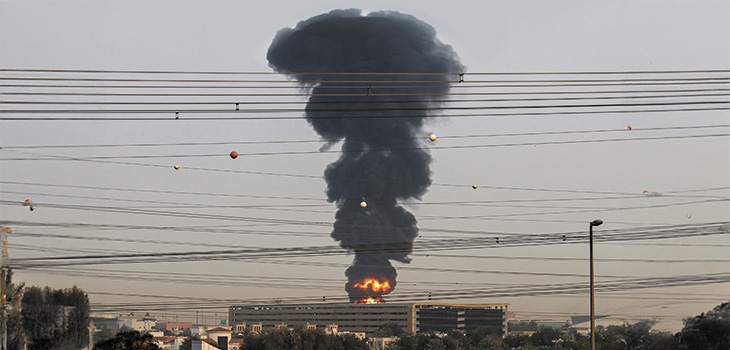
Pandemic, sanctions, armed conflict, blocked shipping corridors, transport disruption... in these uncertain times, every successful commercial entity must ensure they have an effective force majeure clause in place. But how exactly do you ensure this? 

In this week’s NLJ, Gustavo Moser, independent arbitrator and consultant, and arbitration specialist lawyer at Lexis+® UK Arbitration, takes us through the key elements of a watertight force majeure clause in international contracts.

There must be ‘disciplined drafting, factual clarity and a careful appreciation of the governing legal framework’. Moser highlights the importance of the scope of definition, for example, he writes that ‘disputes seldom turn on abstract characterisations like “war” or “crisis”; they hinge on whether a concrete development falls within the contractual language when read in context’. 

As Moser highlights, force majeure clauses are ‘no longer peripheral safeguards’ but form ‘a core element of modern contractual risk architecture’.

Issue: 8155 / Categories: Legal News , Commercial
printer mail-details

MOVERS & SHAKERS

Switalskis—five appointments

Switalskis—five appointments

Firm expands national abuse compensation team

Mathys & Squire—nine promotions

Mathys & Squire—nine promotions

IP firm announces new partners and senior promotions across UK offices

Carey Olsen—five promotions

Carey Olsen—five promotions

Carey Olsen promotes five lawyers to the partnership

NEWS
Executors may be overlooking billions of pounds in estate assets hidden in forgotten investments and misplaced share certificates
Britain’s booming non-surgical cosmetics market is operating in what some critics describe as a regulatory ‘Wild West’
Family contact disputes are becoming an increasingly prominent feature of Court of Protection litigation
Material obtained through US discovery applications may have a much longer legal life than many litigants realise
English courts are developing a distinctly practical approach to sanctions disputes arising from Russia’s invasion of Ukraine
back-to-top-scroll