


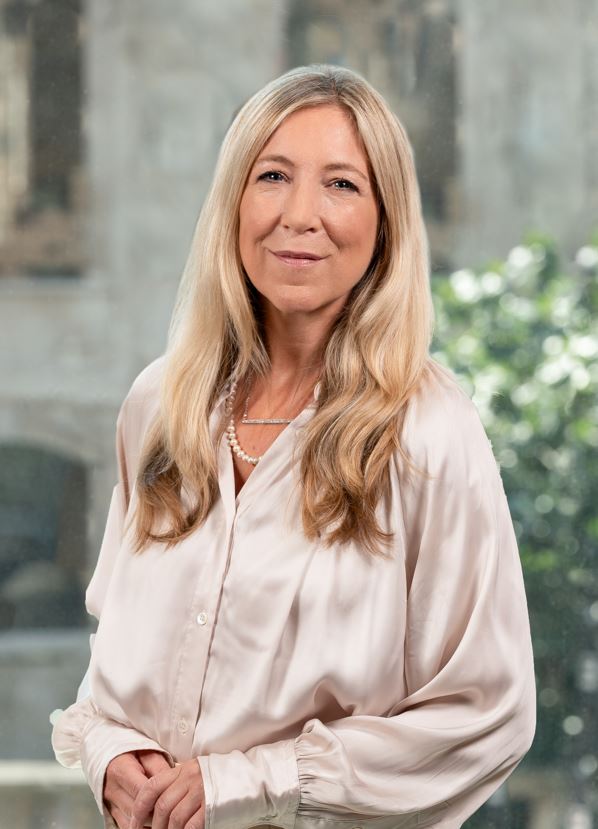
Veteran BBC broadcaster and qualified mediator joins as senior associate
Irwin Mitchell has further strengthened its commitment to constructive dispute resolution with the appointment of renowned broadcaster and qualified mediator, Joanna Gosling.
Joanna, who is known for her 30-year career as a Journalist, broadcaster and writer, joins the firm as a senior associate in the family law team at Irwin Mitchell, which is one of the UK’s largest specialist family and divorce teams.
The former BBC News presenter now helps couples navigate and resolve disputes out-of-court as a professional mediator, as well as continuing to present her Classic FM show on Sunday afternoons.
Commenting on her appointment, Joanna said: 'I am delighted to be joining Irwin Mitchell as a mediator and as an advocate for mediation.
'I am passionate about helping people find a way through conflict, and to be able to do this work as part of the brilliant and caring family team at Irwin Mitchell, is a dream come true for me.'
Ros Bever, national head of family law at Irwin Mitchell said: 'I’m so pleased Joanna is joining us as a mediator – her journalism background, skills and training and pragmatic, impartial approach make her an extremely well suited mediator across a wide range of conflicts. She also shares our passion for helping clients to achieve the right outcome through such a difficult time in their lives and we are looking forward to having her as part of the team.'
Claire Filer, partner and family law mediator, who joined Irwin Mitchell to grow the mediation practice in May 2022 and was joined shortly afterwards by Rachel Baker, a senior associate and mediator, said: 'More and more couples are looking to a wide range of dispute resolution options, especially with the introduction of no-fault divorce last year.
'Our mediation service has gone from strength to strength as more couples look to resolve their conflicts out of court and in a less contentious way. For some clients the benefits of this approach are clear to see and as a firm we are committed to supporting couples in resolving family law issues in the right way for them which is why we continue to invest in our dispute resolution offering.'
Recognising the emotional impact of separation, Irwin Mitchell’s family law team recently appointed a specialist therapist to help clients with the wider elements of divorce and mediation beyond just the legal aspects.
Alternative Dispute Resolution such as Mediation, Arbitration or collaborative practice can help couples resolve family law disputes out of court and can be quicker, cheaper and less stressful.
There are different types of mediation, but all involve an impartial specialist (a mediator) helping individuals to agree a resolution that they’re both satisfied with. Reasons couples might use mediation include:
- To have more control over the process and negotiations
- To tailor the process to their own needs and circumstances
- It's often much quicker - mediation can usually reach a resolution in six months
- It’s often cheaper than going to court
- You avoid the emotional stress of being in court
- It can help minimise disruption for children or other family members
- It can help maintain a good relationship with ex-partners and improve communication
- It can achieve a more creative and bespoke solution than would be imposed by a court or through a traditional adversarial approach
- It is confidential offering families a safe and neutral space to resolve the issues they are facing.


.tmb-mov69x69.jpg?sfvrsn=15ab6310_1)


