header-logo header-logo

03 July 2015 / Charles Pigott
Issue: 7659 / Categories: Features , Discrimination , Human rights
printer mail-detail

It’ll all end in tiers

nlj_7659_pigott

Charles Pigott explains how Christian bakers came unstuck over a “gay cake”

The facts in Lee v Ashers Baking Co Ltd and others [2015] NICty 2 took place just after the Northern Ireland Assembly had voted for the third time against same sex marriage in April 2014.

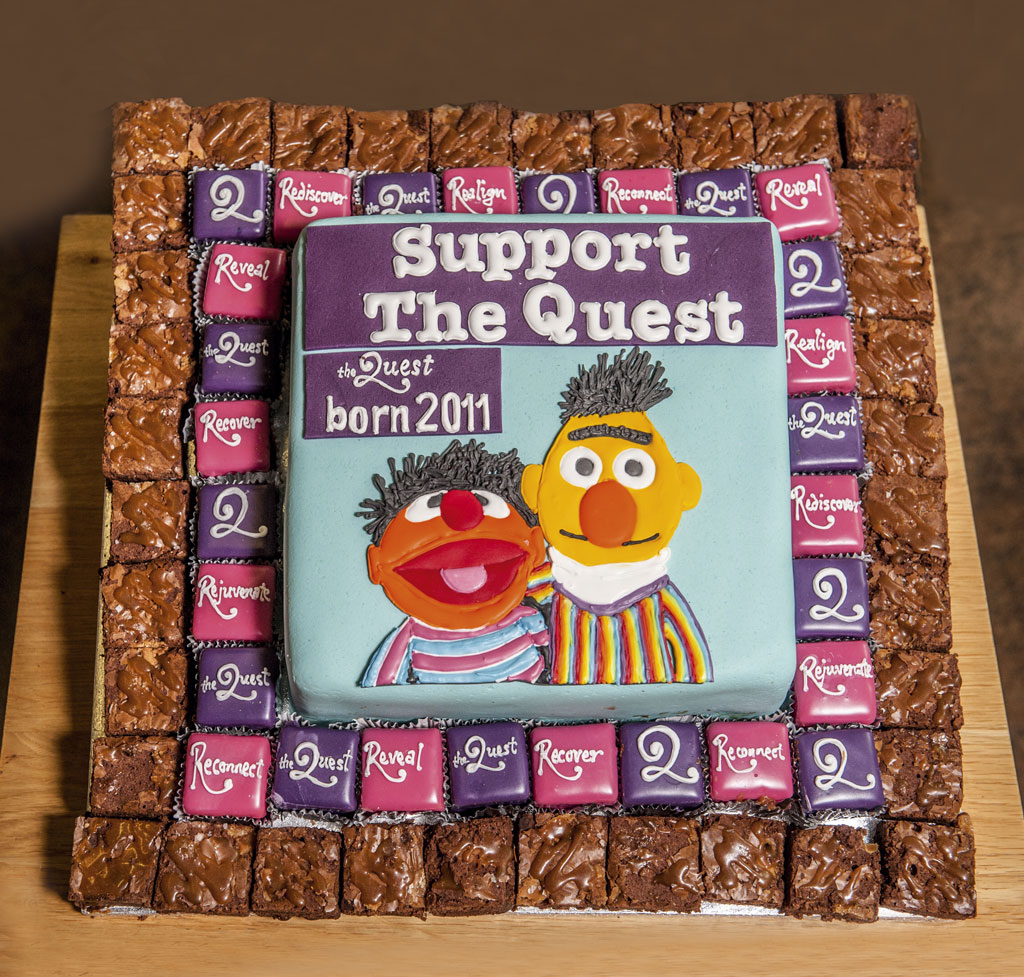
Gareth Lee had asked Ashers—a substantial bakery company run by a Christian couple Colin and Karen McArthur—to bake a cake to his own design. This was a service widely advertised by the company. His design incorporated a coloured picture of the Sesame Street puppets Bert and Ernie, the logo of QueerSpace (a charity promoting LGBT rights) and the headline caption “Support Gay Marriage”. Although his order was at first accepted when he came into the shop, it was subsequently declined and his money refunded. Mrs McArthur said in evidence that the problem was the message on the cake, because as a Christian she did not support gay marriage.

The judge found that Mr and Mrs McArthur knew that Mr Lee was gay or associated with

If you are not a subscriber, subscribe now to read this content
If you are already a subscriber sign in
...or Register for two weeks' free access to subscriber content

MOVERS & SHAKERS

Flint Bishop—Charlotte Harris

Flint Bishop—Charlotte Harris

Sheffield expansion continues with appointment of commercial property partner

Browne Jacobson—Paul Duggan

Browne Jacobson—Paul Duggan

Browne Jacobson strengthens banking and finance practice with latest partner appointment Paul Duggan

Ward Hadaway—Chris Piggott

Ward Hadaway—Chris Piggott

Employment partner joins Ward Hadaway

NEWS
The Law Society RFC Festival of Sport returns next month, bringing together legal and financial services professionals for one of the sector’s largest annual sporting events
Legal aid deserts leave almost one in four without adequate access to justice
The Solicitors Regulation Authority (SRA) has warned solicitors and law firms that using artificial intelligence does not alter their professional obligations, amid concerns over inaccurate legal material and client confidentiality
From forgotten interest claims to case-management appeals, a string of procedural developments offers useful—and occasionally cautionary—lessons for practitioners

Jonathan Fisher KC highlights that it now accounts for around 40% of criminal offences, with roughly 70% involving technology, and argues that the UK cannot simply prosecute its way out of the problem. Detection, investigation and prosecution all require improvement, while different fraud types demand tailored responses.

back-to-top-scroll