


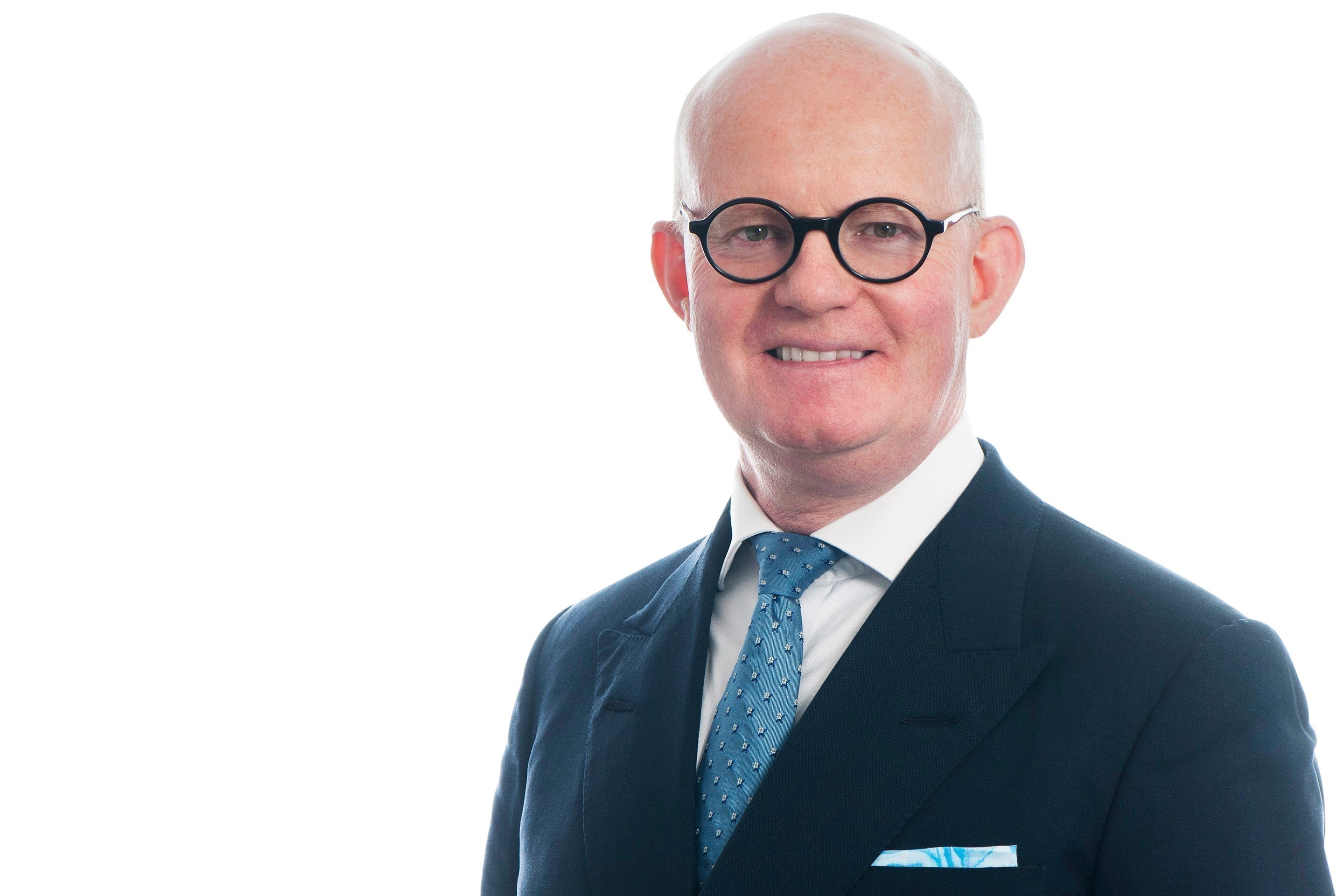
Former DPP Sir Max Hill KC joins international firm
King & Spalding has hired Sir Max Hill KC, barrister and former Director of Public Prosecutions (DPP). He joins the London office to advise clients on legal issues relating to complex international investigations and litigation.
Hill qualified as a barrister in 1987 and was appointed Queen’s Counsel (now King’s Counsel) in 2008. He has defended and prosecuted some of the highest-profile cases in recent British legal history, including the Damilola Taylor murder trial and the prosecution of the 7/7 London bombings of 2005.
Hill also has considerable experience defending and prosecuting high-stakes corporate and business crime. This includes acting for Norton Healthcare in Operation Holbein, the Serious Fraud Office’s (SFO’s) cartel investigation and prosecution of the pharmaceutical industry, representing the lead Citibank defendant in the SFO/Department of Justice Forex investigation, and serving as lead counsel for the SFO in the ENRC Congolese mining case.
Hill was head of Red Lion Chambers from 2012 to 2018, when he took up the position of DPP, head of the Crown Prosecution Service (CPS).
‘King & Spalding is revered for its litigation, financial crime defence and corporate investigations practices, so I am thrilled to be joining the team,’ Hill said. ‘The firm’s cross-border strength across its disputes and regulatory practices—which include many pre-eminent lawyers with in-depth experience across governments, the judiciary and corporate law—also attracted me. It is a very exciting prospect to link up with this team to help continue the firm’s growth.’
Tom Sprange KC, managing partner of King & Spalding’s London office, said: ‘Max is one of the country’s most respected legal minds and accomplished advocates. His high-level experience in both private practice and within the CPS will give our disputes and regulatory clients a new level of insight when navigating complex international investigations and litigation.
‘The ever-increasing convergence of the civil, criminal and regulatory strands of the law demands sophisticated and holistic solutions, and Max can address all three angles.’
‘Having served as the UK’s chief prosecutor, Max has unparalleled insight into British and multi-jurisdictional investigations that are the core of the Special Matters and Government Investigations practice at King & Spalding,’ said Mark Jensen, leader of the practice. ‘We look forward to Max’s leadership and deep knowledge of government enforcement around the world to pair with our existing global investigations expertise.’


