The new QC reveals his career inspiration & challenges
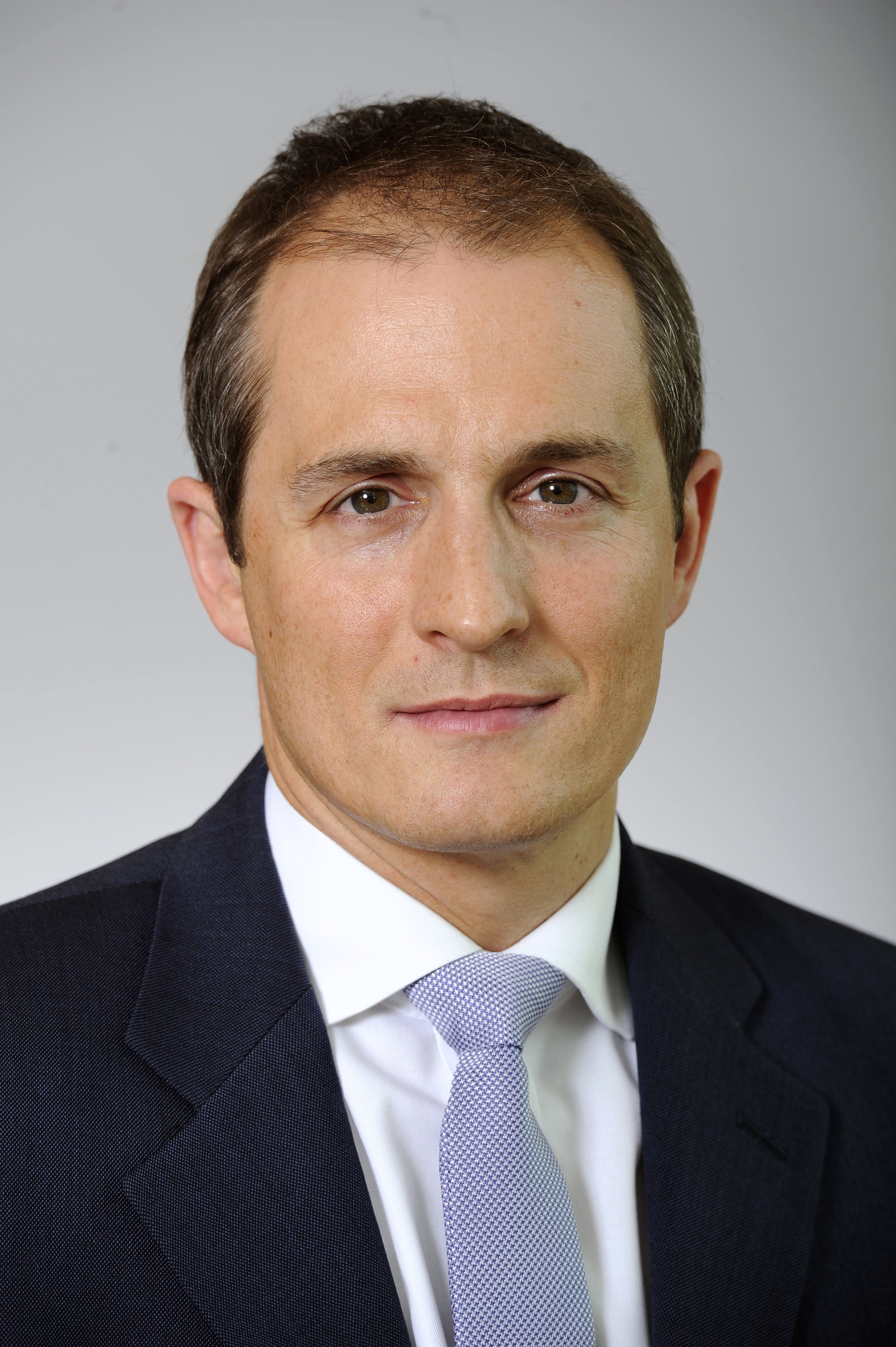
Thomas Sprange, a London-based King & Spalding dispute resolution partner, has been appointed Queen’s Counsel in this year’s silk appointments list.
What was your route into the profession?
The biggest factor was the realisation that it was probably the only profession in the world where an inability to shut-up was an upside. On a slightly more basic level though, the literal route into the profession was studying law in Sydney, practising for a short while before the New South Wales Courts and then heading to London for some international experience.
What has been your biggest career challenge so far?
It is never easy becoming a lawyer and the challenges you face differ depending on the stage of your career, whether that is passing your exams, finding a job, keeping a job, getting promoted, winning cases (or not losing them too badly), finding new work, nurturing new talent and so on. Among these, the biggest challenge, I would say, is getting used to and then embracing the concept that the only way to real success is by learning from the salutary lessons that follow failure. The bigger the fall, the better the lesson. In all that, picking yourself up and remembering this concept is to me the heart of the challenge.
Which person within the legal profession inspires you most?
The legal profession has always tended to focus on the big names working on the biggest matters. I think, however, the biggest inspiration comes from the silent, unseen lawyers who act for real people with real problems everyday with scant reward or glory.
If you weren’t a lawyer, what would you choose as an alternate career?
Full-back for the Wallabies. If the selectors could not see the light, then perhaps proprietor of a simple but classy espresso bar in Hoxton. The legal profession would get a 20% discount.
Who is your favourite fictional lawyer?
It is a cliché, but it has to be Atticus Finch from To Kill a Mockingbird.
What change would you make to the profession?
Re-impose the fundamental principles that gave rise to the profession in the first place. The profession—now the business of law—has changed so much in such a short space of time and, sometimes, all the advances make it is easy to forget what is at the core of being a lawyer. Those fundamental principles, particularly the focus on acting in our clients’ best interests consistent with our ethical obligations, is critical. Lose sight of those and we are nothing.
How do you relax?
That is a work in progress, but exercise—including swimming and Muay Thai—and no electronic devices is where I start. Swimming is a particularly good form of exercise for the “no electronic devices” strategy.