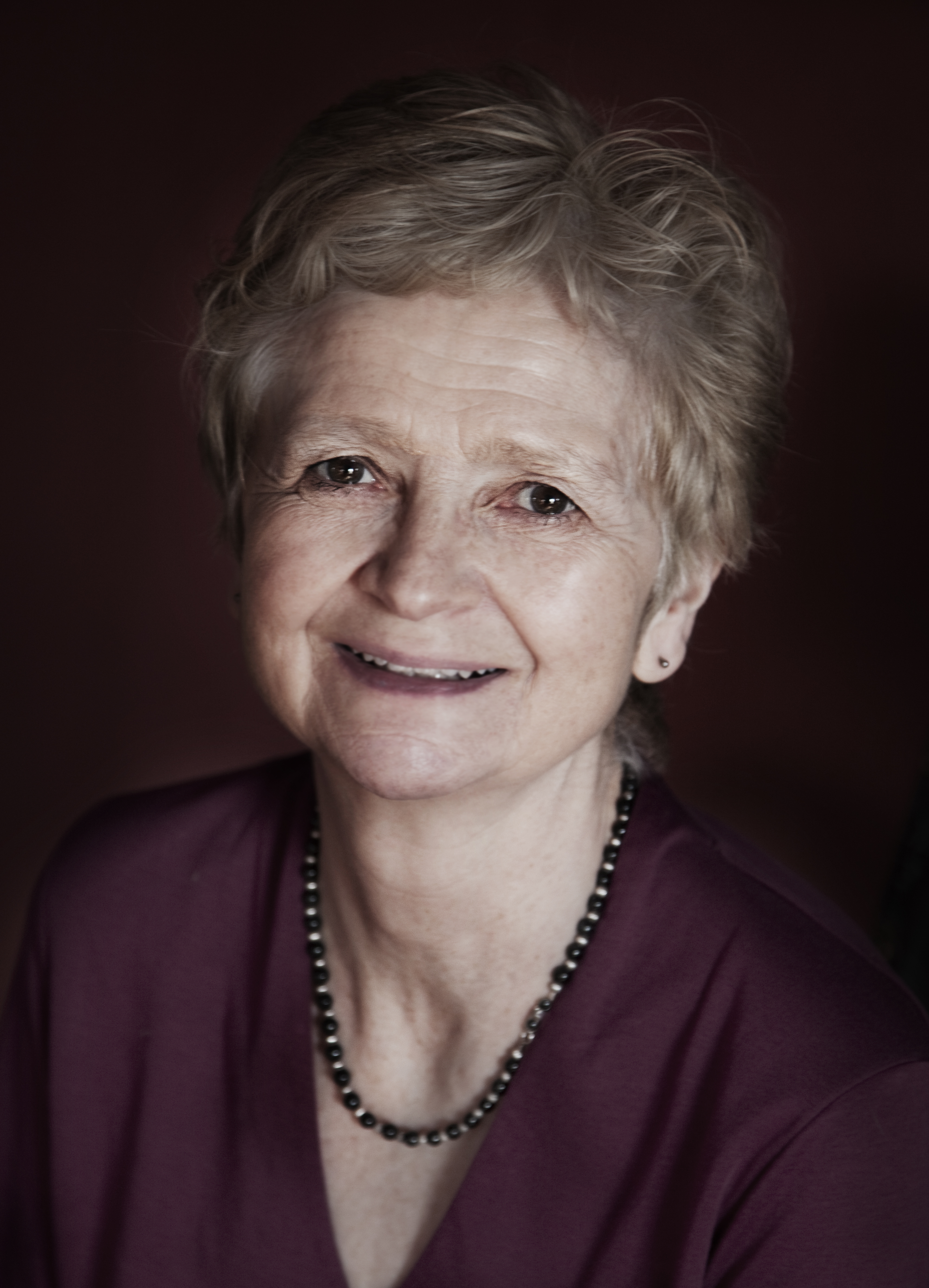
The founder of YESS believes life is too short to litigate
Top employment solicitor Camilla Palmer, the founder of the legal employment settlement charity YESS (Your Employment Settlement Service), was named as one of six honorary Queen’s Counsel this year.
What was your route into the profession?
After a dreadful girls’ education, I spent four years as a typist, travelling between jobs to escape the tedium. Aged 23, I became secretary to Henry Hodge, Child Poverty Action Group’s lawyer, and decided I’d rather like his job. After a year at Gingerbread advising lone parents, I went to LSE to do a law degree.
At LSE I initiated a course on Women and the Law. I wrote about indirect sex discrimination; I still do. I had finally taken off with a social justice as my focus. I then worked at law centers, NGOs, local authorities and Bindmans before setting up a "boutique" employment discrimination firm, Palmer Wade. In the same year, 2001, I became an employment judge. In March 2014 I launched my second legal venture YESS.
What has been your biggest career challenge so far?
Setting up YESS—with its motto "Life’s too short to litigate". It was a regulatory nightmare; we did not want to be a law firm but had to charge fees to cover our costs and be authorised by the SRA. We succeeded. It achieves its aims which are to provide employees and employers with affordable advice to resolve employment disputes without litigating. Our services are affordable because our costs are low, there is cross subsidy and, as a charity, there is no profit; all fees go back into the charity. We have resolved hundreds of disputes for reasonable costs.
Which person within the legal profession inspires you most?
Baroness Brenda Hale, a brilliant lawyer and Supreme Court judge who writes such clear judgments about discrimination which I have often quoted in discrimination books I have written. She is a delightfully unconventional, plain speaking judge willing to express her strong views on equality including in the judiciary where diversity is sadly lacking. There need to be more judges advocating for diversity in the judiciary and in the profession.
If you weren’t a lawyer, what would you choose as an alternative career?
I’d work for an NGO doing international human rights work and, I’d like to think, exposing corruption, bad practices, inequality and changing the world.
Who is your favourite fictional lawyer?
Atticus Finch in To Kill a Mockingbird who said: "If you can learn a simple trick, Scout, you'll get along a lot better with all kinds of folks. You never really understand a person until you consider things from his point of view, until you climb inside of his skin and walk around in it."
That, I believe, is the key to "Getting to Yes(s)"—ie, negotiating an agreement without giving in.
What change would you make to the profession?
Better access for those without money and connections so that the profession is more diverse and equal. I qualified without debt so could afford to work in the voluntary sector. Only the rich could do that now. There is a huge unmet need for advice for those who cannot afford lawyers’ fees—a gap YESS tried to fill. This leaves too many vulnerable people unable to afford a lawyer. This is not justice.
How do you relax?
With family and friends, walking, tennis, books, theatre, cinema, travelling, photography and making plans to relax more.