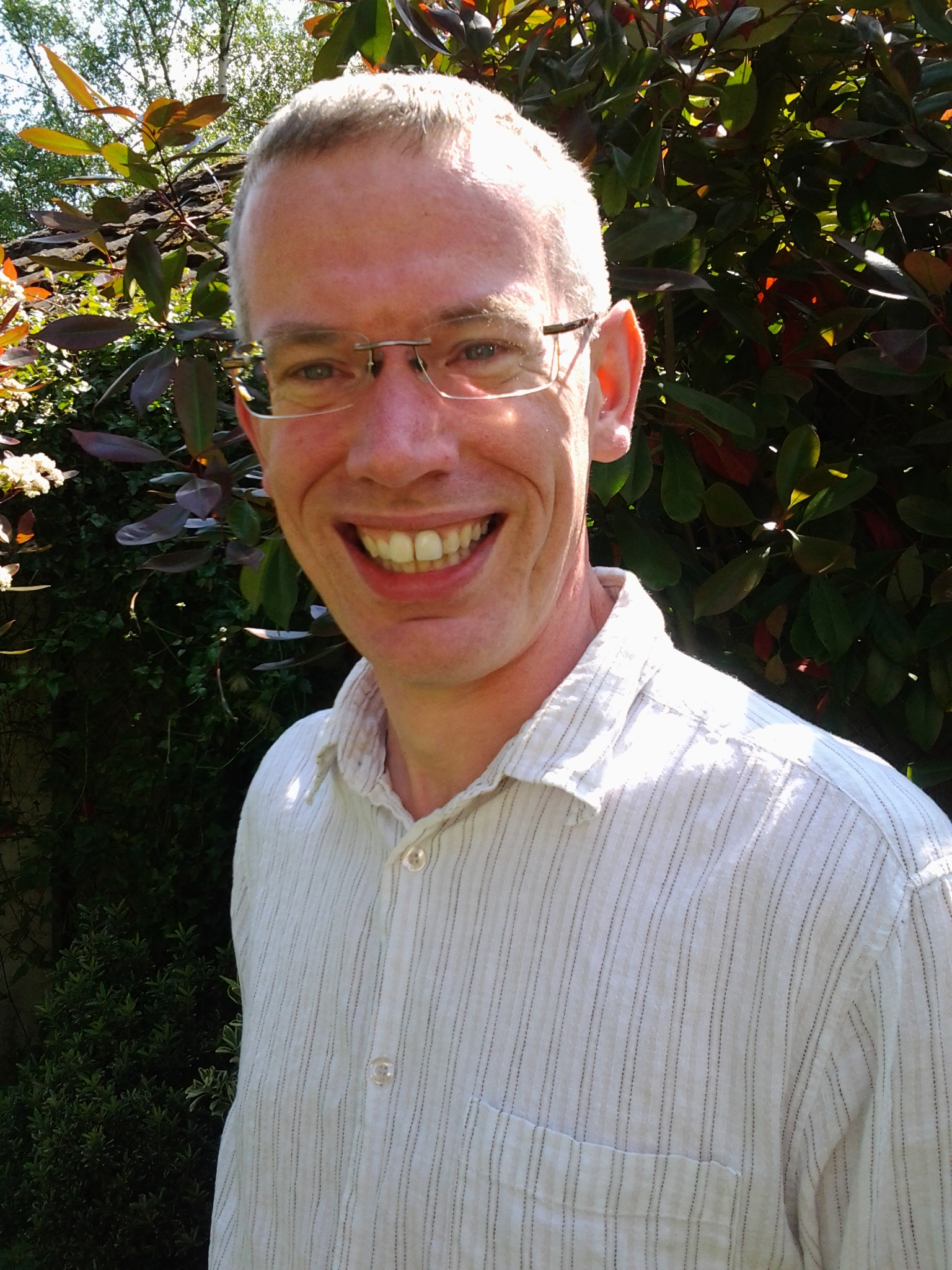
The new law commissioner celebrates the variety of life as a legal academic
The Law Commission has appointed Professor Nicholas Hopkins as law commissioner for property, family and trust law. The appointment is for an initial term of five years from 1 October 2015.
Why did you choose law as your subject?
For a number of reasons. I’m the youngest in my family and was the first to go to University. I had seen my siblings go straight from school or college into work and perhaps because of that I wanted to study for a degree that had a clear career path. law held a fascination as a subject that affects everyone. It also seemed a good match for the kind of academic skills I had enjoyed throughout school—reading, analysing text and constructing arguments. Looking back, like I suspect is the case for many law students, I had little real idea of what studying law would involve. However, I enjoyed it from the outset.
What has been your biggest career challenge so far?
As an academic the biggest challenge has been juggling the competing and seemingly ever-changing demands and expectations that are placed on universities. It often feels as though you are being pulled in several different directions at once, to fulfill research projects and teaching commitments, both of which have come under increasing pressure, alongside administrative and managerial roles. For me, the variety of the work is one of the things that makes an academic career so enjoyable, but it can be difficult to keep on top of everything when deadlines all seem to coincide.
Convincing law students that land law is a vibrant and socially important subject, not the stuff of dusty books, has also been a continuous challenge—and mission!
Which person within the legal world inspires you most?
Professor Kevin Gray is a huge inspiration for the breadth and depth of his scholarship and the eloquence of his writing. His work is a constant reminder that land law is as much about people as it is land, and that’s something that has been influential in my own work. I was fortunate to be lectured by him at Queen Mary University. His lectures and writing sparked my own interest in land law.
Who is your favourite fictional lawyer?
I don’t really have a favourite fictional lawyer. I tend to find portrayals of lawyers overly stereotyped, or the gap from reality too obvious to take them seriously. I’d rather watch or read detective fiction, though I have no doubt that the police would have the same criticism of them! In that genre, PD James’ Adam Dalgliesh books are a particular favourite. If I had to pick a lawyer, then it would be the TV series Ally McBeal, for its off-beat comedy.
If you hadn’t become an academic, what might you have chosen as an alternative career?
I had always liked the idea of teaching and if I had not become an academic I would probably have trained to become a school teacher.
How do you relax?
By walking my dog and, when I get the time, baking. I’m also fulfilling a long held ambition to learn to play the piano and started lessons just over a year ago.