


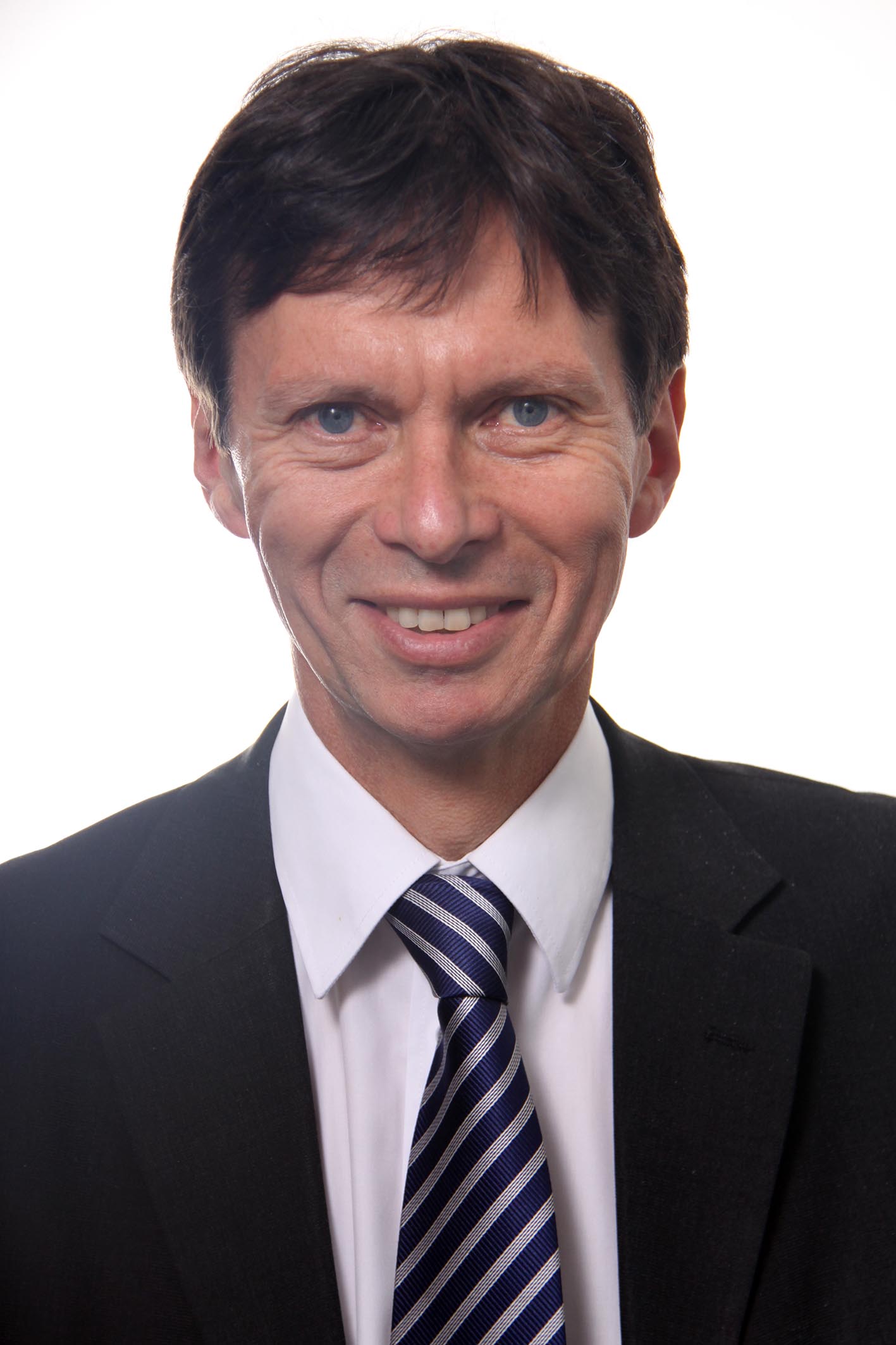
Baker & McKenzie partner Robert West describes his route into pensions law & a meeting in a camel market with Christine Lagarde
Robert West, partner at Baker & McKenzie, has been voted the best all round pensions lawyer, in Pensions World magazine’s annual survey.
What was your route into the profession?
In spite of coming from a family of engineers and builders, I decided from the age of about 11 that I wanted to become a lawyer. I'm still not entirely sure how I reached that conclusion, but it was a fortunate choice. I then took a conventional route in that I studied law at Cambridge, took up trust law following articles and later, somewhat less conventionally, converted to pensions.
Has your family been inspired by your legal career?
Well, we have two investment bankers and one pharmacologist as children, so I guess that speaks for itself! But my wife, Beth, also qualified as a lawyer and is usually kind enough to listen to the occasional report on my practice.
What has been your biggest challenge so far?
Arriving at Baker & McKenzie in 1982 with little pensions knowledge and no clients, with a mandate to establish a pensions practice. The latter tapped into an entrepreneurial streak that I didn't know I had!
Why pensions?
I started with an interest in trust law and tax planning and soon realised that the commercial application of trust law was a developing and interesting area, particularly in the pensions field. Pensions combines the analysis of technical legal issues (pensions law has been transformed over the last 30 years by legislation, judicial decisions and socio-economic changes) with plenty of client and industry contact. Added to that, I have been fortunate to be involved in commenting on new legislation and policy through my former roles as chairman of the Association of Pension Lawyers and a non-executive director of the Pensions Advisory Service. So, from my perspective, pensions represents an ideal combination.
Which person within the legal profession has inspired you most?
If I may expand the question a bit, I'd say Christine Lagarde—so, no longer a practising lawyer in her role as managing director of the International Monetary Fund, but formerly a partner and then global chair of Baker & McKenzie. Christine was one of my opposite numbers in Paris in the 80s and 90s when we worked together on many transactions. We also met frequently at partners meetings—visiting a camel market at dawn in Cairo during one of our meetings was particularly memorable. Christine shows how legal skills really can be translated into other spheres—and she has the great gift of being able to promote agreement and cohesion even in the most difficult circumstances.
What advice do you have for lawyers?
Enjoy what you are doing and communicate that enthusiasm to clients and colleagues. I regard having a positive and collegiate approach as essential to working life as a lawyer.
How do you relax?
Number one for me is probably running. No marathons, just regular 10km runs. It's a great release, keeps me (moderately) fit and is a fantastic aid to clear thought. Much of legal practice—at least in pensions—is about trying to reduce complexity to simple principles—and running while thinking about a problem is a great antidote to becoming too immersed in the detail. I also play golf but, given my fundamental lack of expertise, I wouldn't necessarily describe this as relaxing.
If you weren't a lawyer, what would you choose as an alternative career?
Many years ago, I used to go on archaeological digs. History and archaeology still fascinate me, so something in those fields would have been very attractive. Maybe that time will still come.


