


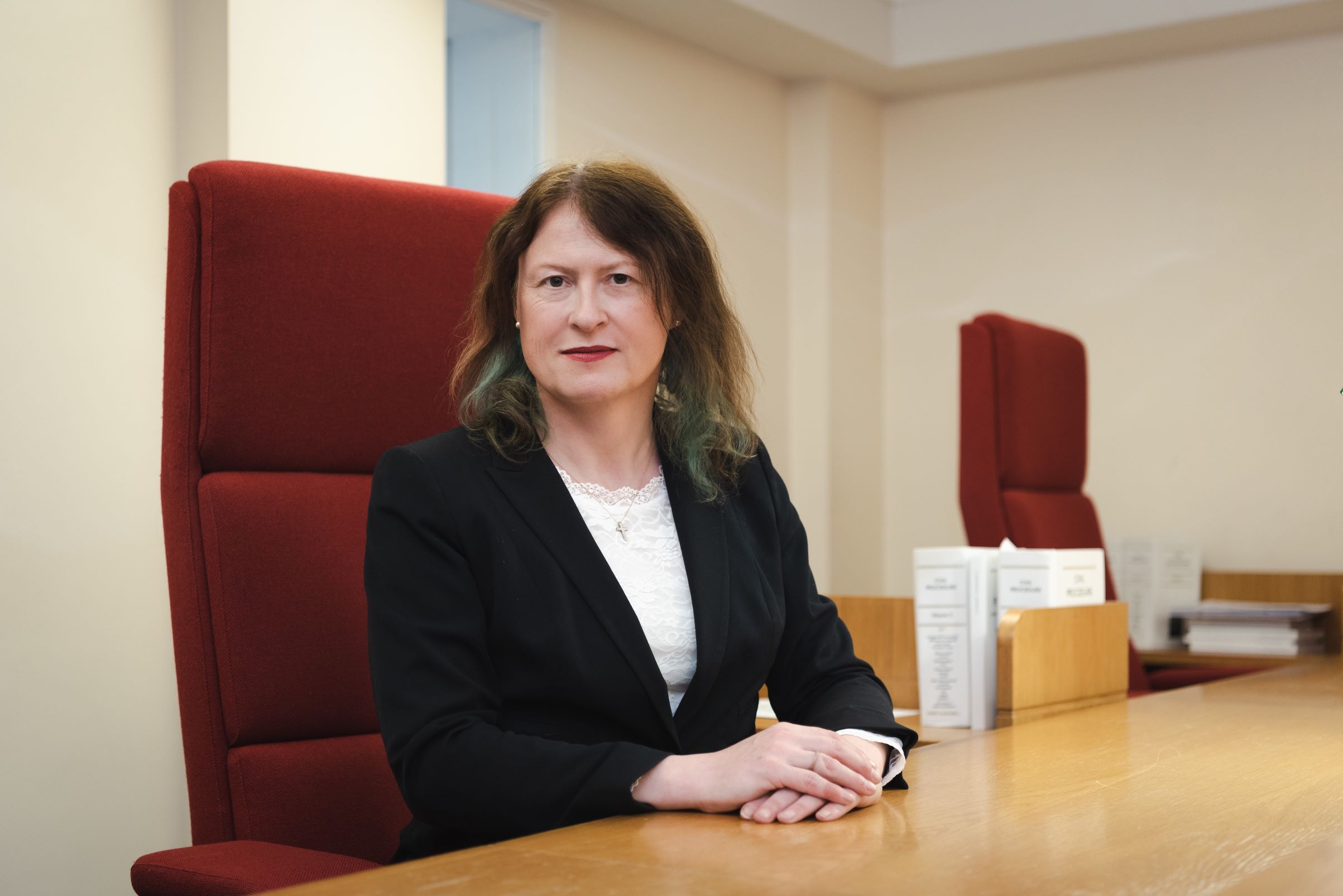
Having recently been made an honorary member of the Association of Costs Lawyers, the retired High Court judge talks to NLJ about her career, inspirations & civil rights
What was your route into the profession?
I studied psychology originally but converted to law by way of the postgraduate diploma. I ‘fell into costs’ because one of my first cases out of pupillage, but before my chambers had had its tenancy decision meeting, happened to be the Thai Trading [Thai Trading Co (a firm) v Taylor [1998] 3 All ER 65] case, which was a small claims appeal on a point of costs principle in Reading County Court. We appealed to the Court of Appeal and I was instructed alone as a junior barrister, but I won, and the result meant that ‘no win no fee’ became lawful for civil cases generally and not limited to personal injury. My interest and practice in costs grew from there, ultimately with me serving two periods at the Senior Courts Costs Office as a deputy costs judge.
What has been your biggest career challenge so far?
The political movement which succeeded in radically changing the civil rights outlook for trans people like me in the UK over the past two or three years, leading to the current government position strongly backed in the recent election. That climate ultimately made my position as a judge untenable once people like me were officially regarded (even by lawyers) as demonstrating an ‘ideology’ inconsistent with the safety of women. I now live in Ireland, where they do not have the civil rights proposals for exclusion from NHS wards and places like washrooms, and so I can continue to live a normal life there and feel safe. I work mostly remotely now.
Which person within the legal profession inspires you most?
A collective of lawyers, rather than just one. The 25 brave lawyers who were among the 56 people who signed and drafted the American Declaration of Independence and must have known it could be their death warrant. It is also a beautifully drafted indictment of the unconstitutional actions of the English state (as it then was, before the UK):
‘When in the Course of human events, it becomes necessary for one people to dissolve the political bands which have connected them with another, and to assume among the powers of the earth, the separate and equal station to which the Laws of Nature and of Nature's God entitle them, a decent respect to the opinions of mankind requires that they should declare the causes which impel them to the separation…’
If you weren’t a lawyer, what would you choose as an alternative career?
At the time, probably I would have been an academic. Now looking back, if I was asked to choose an alternative, it would be joining the police. The judiciary has lost its a sense of collegiality and I would have welcomed feeling ‘part of something’ in the police.
Who is your favourite fictional lawyer?
Mr Tulkinghorn in Bleak House. I love the legal bits of that book, especially when the money runs out in the Jarndyce case, and the case just stops in its tracks, the estate having been consumed in legal fees. As Mr Kenge, another lawyer, says: ‘On the numerous difficulties, contingencies, masterly fictions, and forms of procedure in this great cause, there has been expended study, ability, eloquence, knowledge, intellect, Mr Woodcourt, high intellect. For many years, the—a—I would say the flower of the bar, and the—a—I would presume to add, the matured autumnal fruits of the woolsack—have been lavished upon Jarndyce and Jarndyce. If the public have the benefit, and if the country have the adornment, of this great grasp, it must be paid for in money or money’s worth, sir.”
What change would you make to the profession?
In terms of the costs lawyer profession, I would make a mediation or costs adjudication ADR qualification either an optional additional qualification or include it in the main qualification. It would (especially if it included training in adjudication of costs) help the profession to get into judicial appointments.
How do you relax?
By being busy with other things, oddly enough. I like to do lots of things, have lots of ‘projects’, whether that be DIY, writing or speaking. I think DIY and daydreaming are probably my closest to favourites.
Formerly a King's Bench Master, Dr Victoria McCloud is an honorary member of the Association of Costs Lawyers and a consultant at W Legal.


