header-logo header-logo

29 May 2026
Issue: 8163 / Categories: Legal News , Constitutional law
printer mail-detail

NLJ this week: Hereditary peers era finally comes to an end

251066
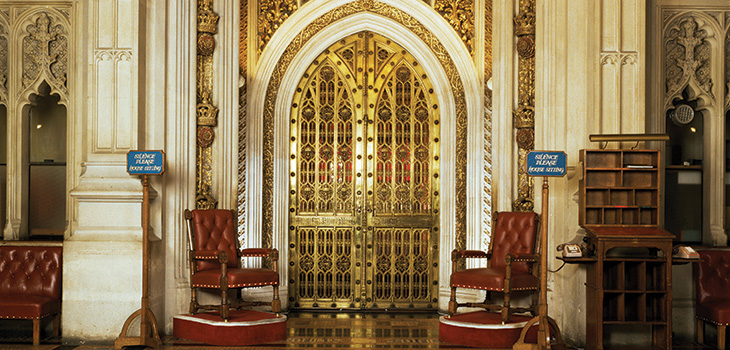
© robertharding / Alamy Stock Photo
The House of Lords (Hereditary Peers) Act 2026 marks a constitutional watershed by severing the centuries-old link between hereditary titles and automatic membership of the upper chamber

Writing in NLJ this week, Neil Parpworth of Leicester De Montfort Law School says the legislation completes a reform process begun by Tony Blair’s government in 1999, when most hereditary peers lost their seats. The new Act abolishes the remaining system of hereditary by-elections, memorably described during parliamentary debates as producing ‘twice as many candidates as voters’.

While hereditary peers may still receive life peerages, Parpworth notes the government resisted calls to automatically retain all existing hereditary members. Debate on the Bill also reopened wider questions about House of Lords reform, including retirement ages, participation requirements and the continued presence of bishops as ex officio members.

Describing the legislation as ‘historic’, Parpworth says membership of the Lords will now depend, ‘for the time being at least’, on appointment rather than birth.

MOVERS & SHAKERS

Clarke Willmott—Kevin Joynes & Neil Gosling

Clarke Willmott—Kevin Joynes & Neil Gosling

Clarke Willmott bolsters housebuilder expertise in Birmingham

Carpmaels & Ransford—Kevin Cordina

Carpmaels & Ransford—Kevin Cordina

Firm adds former Simmons Simmons patent head to engineering and tech team

ACTAPS—Sally Goodger

ACTAPS—Sally Goodger

Freeths strengthens its voice in national disputes with ACTAPS committee appointment

NEWS
4PB chambers has announced the 2026 winner of its Alan Inglis Memorial Essay Prize, now in its third year
Murder could be split into first and second degrees, under Law Commission proposals for a historic overhaul of homicide offences
Prime Minister Keir Starmer’s Australian-style ban on social media for under-16s will be difficult to enforce, lawyers have warned
One in two women in law say their current working pattern is unsustainable for their long-term health, according to a report by the Next 100 Years project
The Legal Services Board (LSB) has highlighted a lack of safeguards where people use artificial intelligence (AI) tools to help with legal problems
back-to-top-scroll