


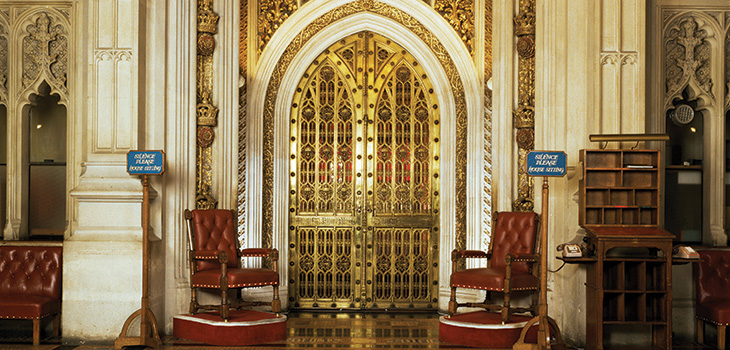
© robertharding / Alamy Stock Photo
The House of Lords (Hereditary Peers) Act 2026 received royal assent earlier in the spring, bringing to an end centuries of tradition, writes Neil Parpworth
- The House of Lords (Hereditary Peers) Act 2026 ends the automatic right of hereditary peers to sit in the House of Lords, marking a major constitutional change by severing the link between hereditary status and legislative membership.
- While the Act focuses narrowly on hereditary peers, parliamentary debates highlighted wider unresolved reform issues, including retirement ages, attendance requirements, and the role of bishops, with the government signalling that further House of Lords reform is likely to proceed incrementally.
The House of Lords (Hereditary Peers) Act 2026 received royal assent on 18 March 2026. While some of its provisions came into force on that day, the remainder of the Act, including s 1, came into force at the end of the previous session of Parliament: see s 5(3) and (4).
While it is a short enactment consisting of a mere six sections, it is a constitutionally


