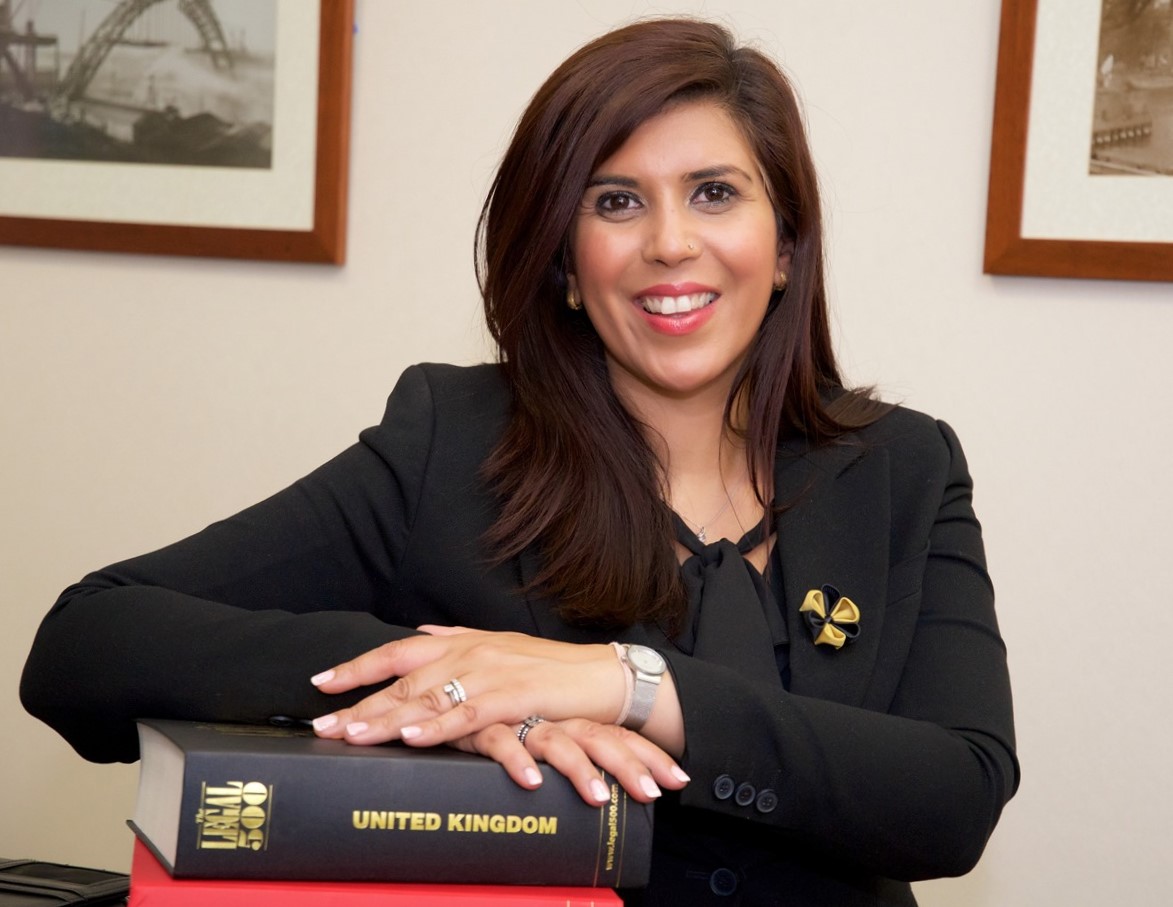
Recently appointed as the first committee member of the Law Society’s in-house division in the North East, Anu Kaura of the Malhotra Group discusses the challenges of breaking into in-house
What was your route into the profession?
I originally started down the traditional route of completing a qualifying law degree (with a minor in economics), and then took the Bar Vocational Course in 1999 as I was intending on becoming a barrister. While I looked for a pupillage, I was working as a paralegal and was offered the opportunity to cross-qualify as a solicitor. I completed the QLTS conversion in 2004 and obtained my Higher Rights of Audience in 2006. I have now been qualified as a solicitor for 15 years.
What has been your biggest career challenge so far?
Breaking into an ‘in-house role’. When I entered the profession, I did not know this was even an option. Once I realised that more and more lawyers were moving into in-house roles, and that this offered a much wider variety of practice areas, it was incredibly difficult to break into the market as I didn’t have in-house experience and wasn’t newly qualified. I was fortunate that an ex-colleague recommended me for my current position as they were looking for someone with an employment specialism at the time. It was a case of knocking at the door until the right opportunity presented itself.
Which person within the legal profession inspires you most?
My greatest inspiration so far has been a solicitor called Max Winthrop. He is a lawyer in the North East, partner at Short Richardson & Forth and a very active member of the Industrial Law Society. He actively contributes to the legal society and promotes professional development for lawyers across the board, and is a PLC contributor.
If you weren’t a lawyer, what would you choose as an alternate career?
I do enjoy the analytical side of mathematics, so I would have probably become an accountant like my father.
Who is your favourite fictional lawyer?
It has to be Jessica Pearson from Suits! She is cool, calm, collected and always one step ahead of the game (and has an amazing wardrobe to boot!).
What change would you make to the profession?
I would look to put in place more support for undergraduate lawyers and newly qualified lawyers, so they really understood what options were available to them and realise that there is more to the profession than becoming a niche lawyer in private practice. I would also encourage reaching out to expand business networks for support. You can become a much more rounded professional if you utilise your networks effectively. I have gained much more perspective whilst acting as a trustee and now becoming a Law Society Committee member, which in turn make me a more effective lawyer.
How do you relax?
I find physical exercise the best way to help me process my thoughts from the day and relieve stress. I also love baking and find it a wonderful way to ‘switch off’ and use my creative skills.