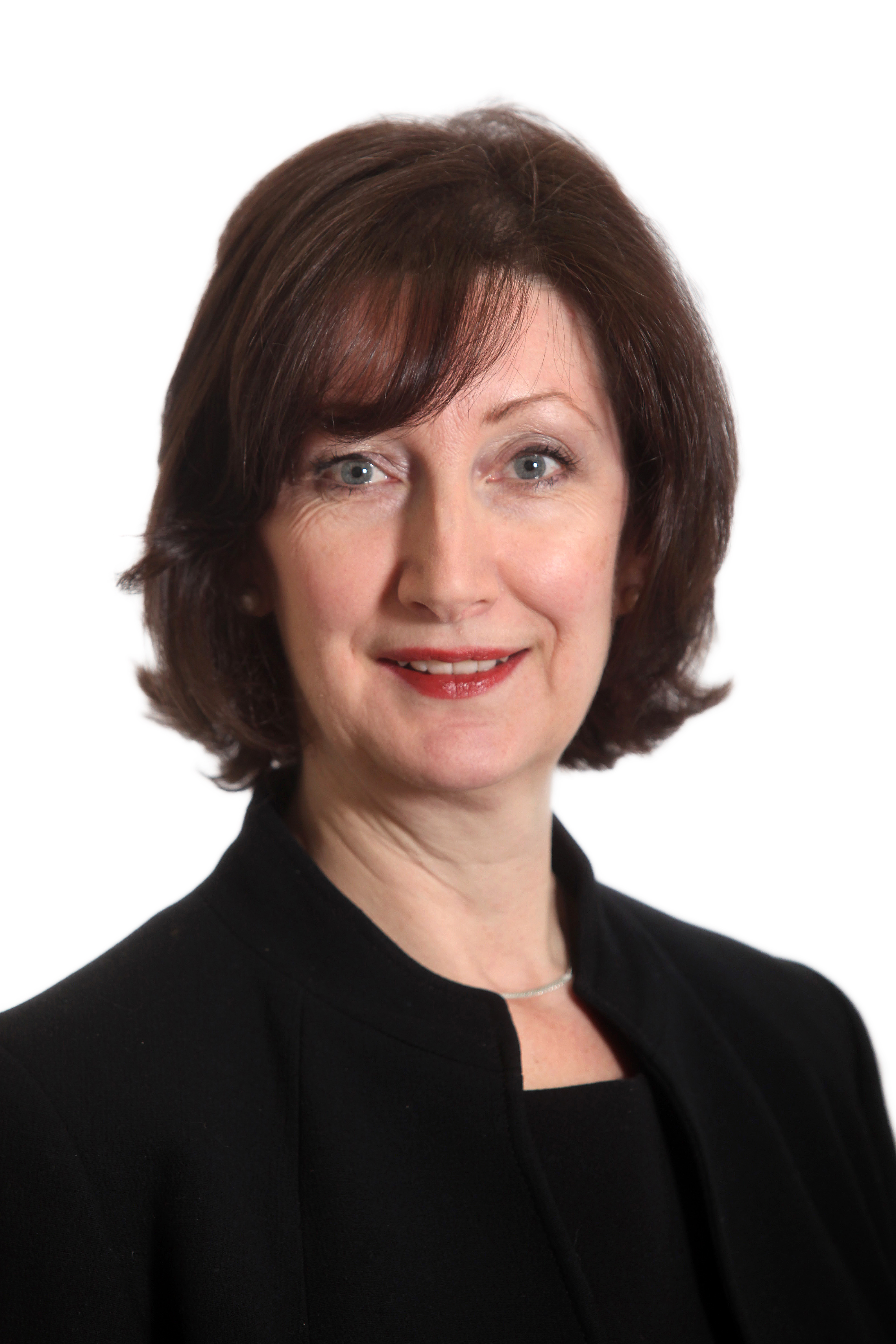
Joanne Easterbrook, Bevan Brittan’s recently reappointed senior partner, shines a spotlight on the importance of an inclusive profession
What was your route into the profession?
I started doing holiday work in a solicitor’s office when I was 15. I went on to read law at UCL, did the solicitor’s finals, and qualified with Trowers & Hamlins.
What has been your biggest career challenge so far?
Gatekeeping the work of 90 law firms managing negligence claims against the NHS from a standing start when the NHS Litigation Authority indemnity schemes for NHS trusts were launched. It took a lot of hard work and a great deal of diplomacy.
Which person within the legal profession inspires you most?
Brenda Hale, Baroness Hale of Richmond. As well as her obvious career achievements she has been a good and balanced role model for women in the law. She consistently champions gender equality and I completely endorse her view that targets (rather than quotas) are the right thing to bring diversity into the judiciary.
If you weren’t a lawyer, what would you choose as an alternate career?
Theatre director, actress, singer, hairdresser, café owner—it varies!
Who is your favourite fictional lawyer?
It has to be Rumpole.
What change would you make to the profession?
I would accelerate the pace of change to make the profession more inclusive, and bring back student grants. As someone who went to the local comprehensive school and was completely reliant on state funding for my degree and solicitors’ finals course, I worry that the abolition of student grants and the huge cost of post-graduate courses will have an adverse effect on the diversity of the profession in the long term. I also want to see the diversity focus in the profession shift away from women and towards a culture and practice that really support both men and women to look after their families (young, elderly or with a disability) and access opportunities for progression at work. Bevan Brittan is very supportive of flexible working but still very few men take more than a couple of weeks’ paternity leave.
How do you relax?
I go to see some dance (anything—ballet, tango, flamenco). By the first interval I am in a completely different place. I also like to get out of town and take in some fresh air in Norfolk or just do some baking with the radio on.
Joanne Easterbrook has been Bevan Brittan's senior partner since 2016, and will commence her third term from 1 May.