


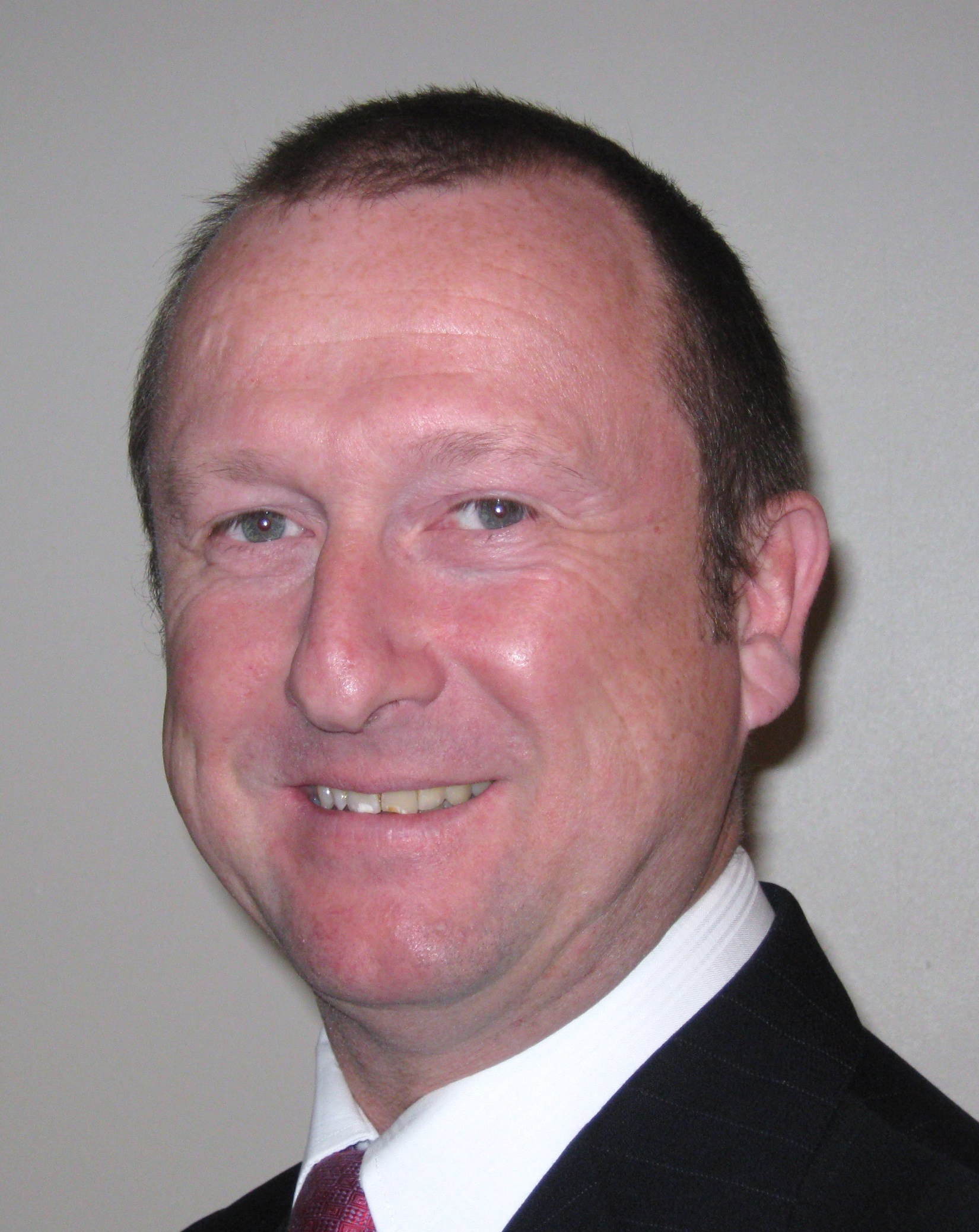
The CEO of FOIL lifts the lid on his early musical aspirations & moving beyond the 'poodle' image
What was your route into the insurance sector?
I needed to pay for rehearsal studios, guitar strings and demo tapes to further my promising (in my eyes at least) career as a musician, so needed a regular income. Fortunately for music lovers everywhere, I found I rather enjoyed claims work and as it paid considerably more than our 'residency' at the Dog & Pot in Slough, the band was broken up and the world of music forever left behind for a career in insurance.
What has been your biggest career challenge so far?
In 2009, FOIL was called 'the ABI’s poodle' – seen as an interesting but ultimately impotent group of insurance lawyers bound by client loyalty to agree with whatever the Association of British Insurers (ABI) said and disagree (for the same reason) with whatever the Association of Personal Injury Lawyers (APIL) said. This false but plausible image meant that most of our output struggled to gain credibility, no matter that it was well put together.
It is now a highly credible, self-confident organisation that is clear–eyed about its role and function. It has considerable reach and influence in multiple areas of insurance law, and a reputation for well thought through solutions to the challenges facing defendants.
This has been achieved through the accumulative impact of our work over the years and shows the influence that the collegiate approach and the voice of a collective can have.
Which person within the field inspires you most?
Shirley Denyer, FOIL’s Technical Director. She has a brain the size of a planet, and a tremendous sense of humour. Her ability to summarise complex issues neatly and without omission is incredibly helpful to all FOIL members as well as to me personally.
What would you choose as an alternate career?
I really enjoy writing and if I was any good at it, I’d employ a literary agent, draft a novel, sit back and watch the royalty cheques roll in. Probably.
What change would you make to the field?
I’d try to ease the long standing focus on the level of legal fees and bring in more reliable ways of measuring quality and value for money. The sector is in danger of a long term talent shortage from cost cutting that could make insurance law a less attractive career for the brightest and the best graduates.
How do you relax?
I have three daughters, aged four, five and thirteen. I am the CEO of FOIL, a Non-Executive Director of SX3 Claims Consultants and a Director of TopQuotes Insurance Brokers. I’m a Church Warden and a life-long Manchester United fan so I must say that there ain’t a lot of time to relax! However whenever there is time, I get out in the garden. I find tending a garden is engaging enough to be a distraction but not so demanding that it’s stressing.


