


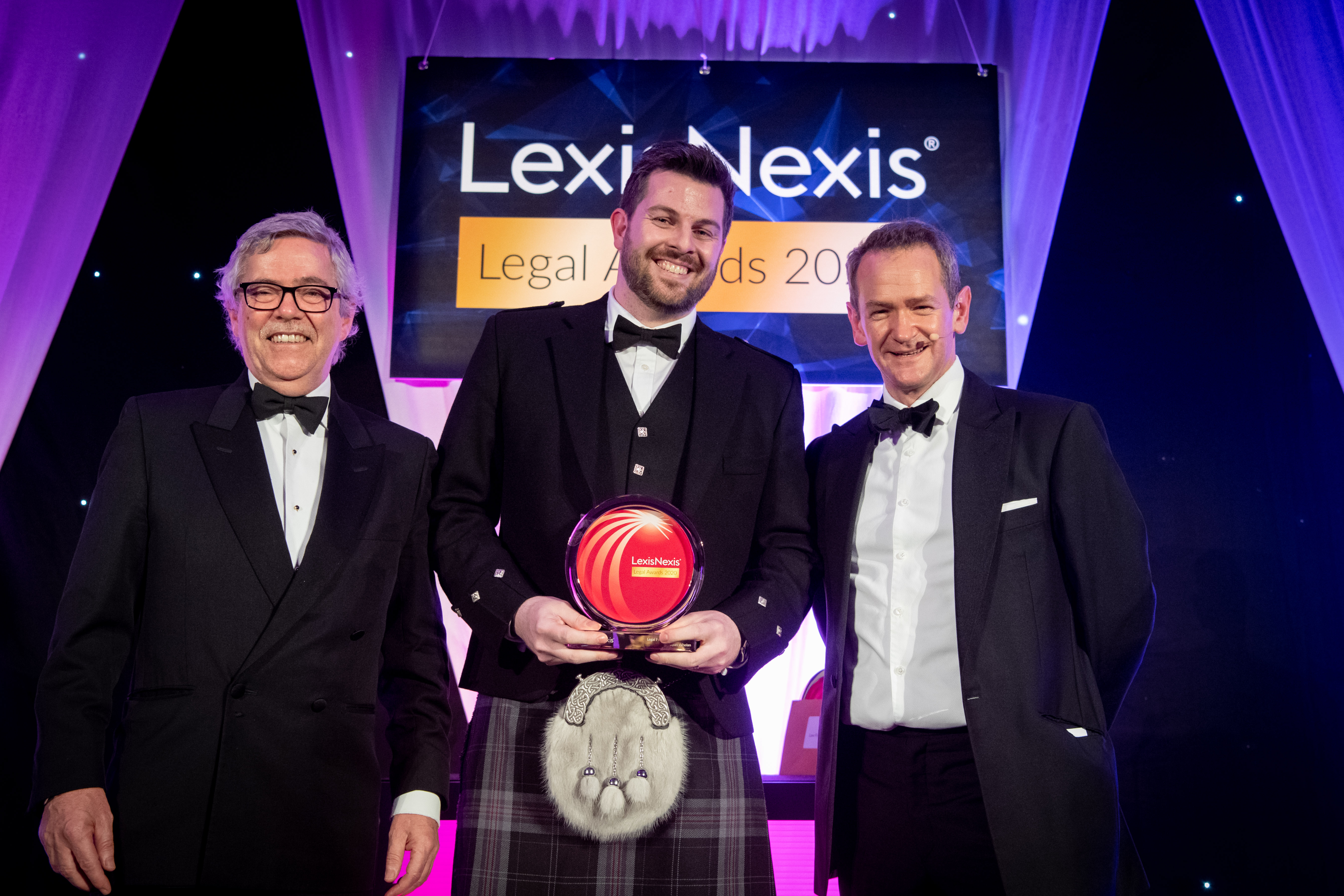
What was your route into the profession?
Read law at Aberdeen University before training with Pinsent Masons. Joined Gibson Dunn almost a year after qualifying. I have been with the firm six years and work in the arbitration team from our London and Dubai offices.
What has been your biggest career challenge so far?
Juggling extensive travel with other professional and family commitments can be difficult. I owe a great deal to Emirates and their route network. For many years they’ve made sure that I’ve not had to miss an occasion or otherwise let anyone down. More fundamentally, I think every lawyer finds it difficult, at least initially, to find their voice and way of lawyering. I was fortunate to have truly brilliant mentors, including Fraser McMillan, Brandon Nolan, Graham Lovett and Paul McBride QC.
Which person within the legal profession inspires you most?
Our profession has so many inspirational figures that I find it hard to restrict myself to one. Hopefully you’ll allow me three.
- First, for her talent, humility and approachability, Lady Hale.
- Second, for being a master of written and oral advocacy, Sir James Eadie QC.
- Third, for her passion, tenacity and eloquence, the Secret Barrister (who yes, I suspect, is female).
And these are just the three lawyers that spring to mind as having immediate name recognition; I really could go on… and then I’d definitely distort this question further by mentioning my former client Gina Martin. She may not be a qualified lawyer but she is a tremendous advocate, and an example to us all in terms of what it means to be brave and stoic.
If you weren’t a lawyer, what would you choose as an alternate career?
Without a moment’s hesitation, I’d choose to be a billionaire philanthropist. Failing that, filmmaker. Having that platform and creative freedom would be an extraordinary privilege. I’d focus on producing thought pieces but, under the veneer of showing versatility, I’d dabble in Richard Cutis-esque romantic comedies. In terms of style, think Steven Spielberg meets Louis Theroux but with a hint of non-linear Tarantino.
Who is your favourite fictional lawyer?
Fred Gailey from Miracle on 34th Street: he was creative, tactical and persuasive in the highest of high stake litigations, what’s not to love?
What change would you make to the profession?
I’d improve legal aid remuneration. Legal aid is an investment. Public confidence in justice, the rule of law and society itself depends on having intelligent lawyers working on legal aid cases to ensure voices are heard and decisions tested. Our legal aid lawyers should not have to be self-sacrificing. We as a society should pay them fairly for the work that they do, the contribution that they make.
How do you relax?
Laughing with family and friends, ideally over good food and with my son Ralph chairing proceedings from his high chair. Less frequently, while at the gym, playing football or being beaten by my wife at tennis—there’s no chivalry involved in my defeats, she’s just far better than I am!


