header-logo header-logo

26 September 2014 / Graham Lyons
Issue: 7623 / Categories: Opinion , Mediation , Family
printer mail-detail

No Minister!

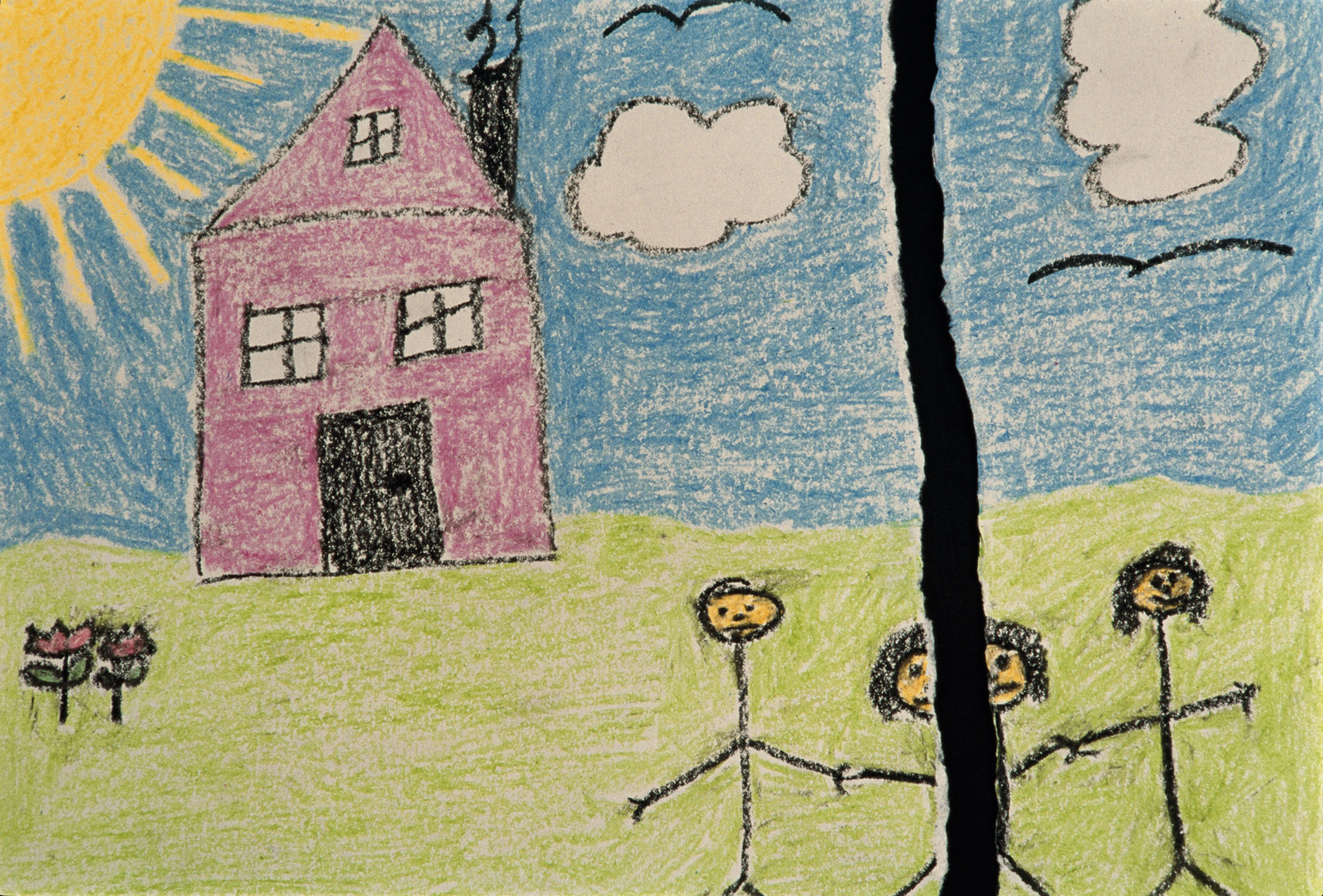
lyons_cover_image

Graham Lyons shares his reservations about the future of mediation in an open letter to the Rt Hon Simon Hughes MP*

Dear Minister,

This open letter is in part a response to your recent letter (your ref: 13422), which outlined what the Ministry of Justice (MoJ) plans to do in response to the Family Mediation Task Force Report (TFR ) published in June. It is also partly a critique of what happens when a task force committee of 18 people dealing with family mediation has barely any full-time family mediators sitting on it. The letter I wrote to you in May about the abolition of the MoJ helpline was not acknowledged. Ditto my letter to the MoJ.

The TFR rightly looked at what can be done to increase awareness through the court forms. But why did it not produce recommendations regarding awareness of mediation among GPs, health personnel and Housing Departments?

The idea of a free first session is flawed. The first family mediation session is seldom a negotiating one. In our service

If you are not a subscriber, subscribe now to read this content
If you are already a subscriber sign in
...or Register for two weeks' free access to subscriber content

MOVERS & SHAKERS

Clarke Willmott—Matthew Roach

Clarke Willmott—Matthew Roach

Partner joins commercial property team in Taunton office

Farrer & Co—Richard Lane

Farrer & Co—Richard Lane

Londstanding London firm appoints new senior partner

Bird & Bird—Sue McLean

Bird & Bird—Sue McLean

Commercial team in London welcomes technology specialist as partner

NEWS
What safeguards apply when trust corporations are appointed as deputy by the Court of Protection? 
Disputing parties are expected to take part in alternative dispute resolution (ADR), where this is suitable for their case. At what point, however, does refusing to participate cross the threshold of ‘unreasonable’ and attract adverse costs consequences?
When it comes to free legal advice, demand massively outweighs supply. 'Millions of people are excluded from access to justice as they don’t have anywhere to turn for free advice—or don’t know that they can ask for help,' Bhavini Bhatt, development director at the Access to Justice Foundation, writes in this week's NLJ
When an ex-couple is deciding who gets what in the divorce or civil partnership dissolution, when is it appropriate for a third party to intervene? David Burrows, NLJ columnist and solicitor advocate, considers this thorny issue in this week’s NLJ
NLJ's latest Charities Appeals Supplement has been published in this week’s issue
back-to-top-scroll