header-logo header-logo

12 June 2026 / Jeffrey Wale
Issue: 8165 / Categories: Opinion , Public , Legal services
printer mail-detail

Open justice & unwanted consequences

252178
© Getty images
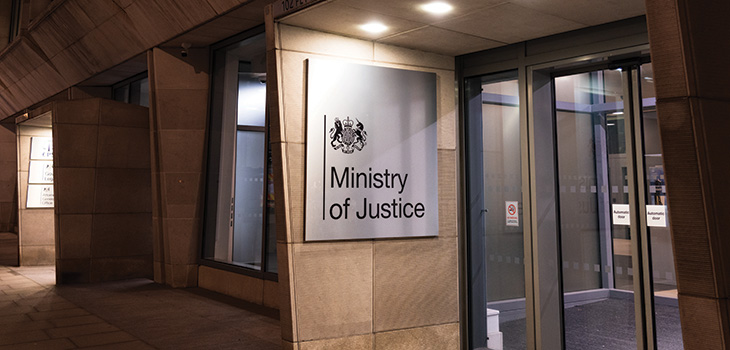
Ministry of Justice: Careful evaluation needed

Dr Jeffrey Wale shares his concerns about the non-party document access pilot

The Transparency and Open Justice Board (TOJB), introduced by the Lady Chief Justice in April 2024, has now crystallised its key objectives for delivering open justice. These objectives develop three broad themes. First, courts and tribunals should promote open justice to enable the public to understand and scrutinise the administration of justice; and thereby seek to uphold public confidence and support improved public understanding of their constitutional role. Second, the principles of transparency and open justice generally require the proceedings and decisions of courts and tribunals to be open and accessible to everyone, supporting and promoting the reporting of proceedings and any related decisions. There are practical issues about how this second objective is delivered, but as a starting point, it would include granting non-parties access to relevant court documents. Third, open justice involves a default position that is subject to certain derogations imposed by statute—for example, certain types of reporting restriction. Where derogations from open justice are granted

If you are not a subscriber, subscribe now to read this content
If you are already a subscriber sign in
...or Register for two weeks' free access to subscriber content

MOVERS & SHAKERS

Burgess Mee—Victoria Sterritt

Burgess Mee—Victoria Sterritt

Family law boutique expands London team with legal director hire

Ward Hadaway—Mike Gore

Ward Hadaway—Mike Gore

Firm enhances advisory capability with strategic risk specialist hire

Stewarts—Alexandra Lyons

Stewarts—Alexandra Lyons

Insurance and reinsurance specialist joins policyholder disputes practice as partner

NEWS
Some employment law controversies never disappear—they merely lie dormant
Artificial intelligence (AI) is transforming legal practice, but its successful adoption depends as much on culture as technology
The fallout from Lord Mandelson’s appointment and dismissal as UK ambassador to Washington raises profound questions about constitutional governance, accountability and political appointments
Pastries may be in the firing line while kebabs escape scrutiny, but the reality is far more nuanced
The Supreme Court’s decision in Dillon highlights a central tension in modern public law: rights may be recognised without being fully realised
back-to-top-scroll