header-logo header-logo

24 May 2013 / Peter Vaines
Issue: 7561 / Categories: Features , Tax
printer mail-detail

Taxing matters

istock_000018925770medium

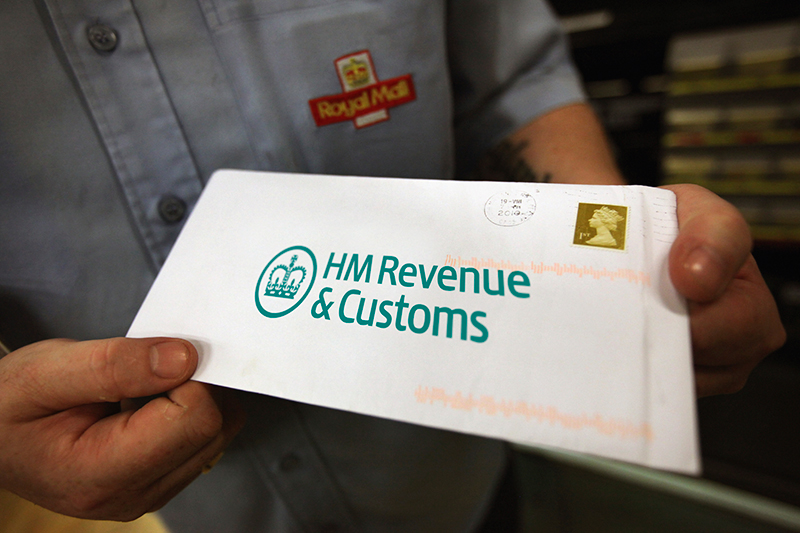
Peter Vaines ponders the intelligent businessman & pesky postal services

The Upper Tribunal has found in favour of HMRC in the case of Mrs N Pawson Deceased v HMRC FTC/36/2012 regarding a claim for business property relief on assets used for a holiday letting business. The First Tier Tribunal had regarded the activity as a business qualifying for inheritance tax business property relief, but the Upper Tribunal has concluded that the property was an investment and not eligible for the relief.

Such arguments are, of course, always very fact specific. A property was operated as a holiday letting business and various services were provided. The essence of the decision was that the services were consistent with the holding of an investment and were not enough to prevent the business being mainly one of property investment. As the First Tier Tribunal had determined all the relevant facts, it was quite something for the Upper Tribunal to overturn its decision. However, Henderson J decided that the First Tier Tribunal judges were completely wrong. He said the

If you are not a subscriber, subscribe now to read this content
If you are already a subscriber sign in
...or Register for two weeks' free access to subscriber content

MOVERS & SHAKERS

NLJ Career Profile: Ken Fowlie, Stowe Family Law

NLJ Career Profile: Ken Fowlie, Stowe Family Law

Ken Fowlie, chairman of Stowe Family Law, reflects on more than 30 years in legal services after ‘falling into law’

Gardner Leader—Michelle Morgan & Catherine Morris

Gardner Leader—Michelle Morgan & Catherine Morris

Regional law firm expands employment team with partner and senior associate hires

Freeths—Carly Harwood & Tom Newton

Freeths—Carly Harwood & Tom Newton

Nottinghamtrusts, estates and tax team welcomes two senior associates

NEWS
Children can claim for ‘lost years’ damages in personal injury cases, the Supreme Court has held in a landmark judgment
The cab-rank rule remains a bulwark of the rule of law, yet lawyers are increasingly judged by their clients’ causes. Writing in NLJ this week, Ian McDougall, president of the LexisNexis Rule of Law Foundation, warns that conflating representation with endorsement is a ‘clear and present danger’
Holiday lets may promise easy returns, but restrictive covenants can swiftly scupper plans. Writing in NLJ this week, Andrew Francis of Serle Court recounts how covenants limiting use to a ‘private dwelling house’ or ‘private residence’ have repeatedly defeated short-term letting schemes
Artificial intelligence (AI) is already embedded in the civil courts, but regulation lags behind practice. Writing in NLJ this week, Ben Roe of Baker McKenzie charts a landscape where AI assists with transcription, case management and document handling, yet raises acute concerns over evidence, advocacy and even judgment-writing
The Supreme Court has drawn a firm line under branding creativity in regulated markets. In Dairy UK Ltd v Oatly AB, it ruled that Oatly’s ‘post-milk generation’ trade mark unlawfully deployed a protected dairy designation. In NLJ this week, Asima Rana of DWF explains that the court prioritised ‘regulatory clarity over creative branding choices’, holding that ‘designation’ extends beyond product names to marketing slogans
back-to-top-scroll