header-logo header-logo

26 April 2024 / Athelstane Aamodt
Issue: 8068 / Categories: Features , Public , Procedure & practice
printer mail-detail

The laws of death

169177
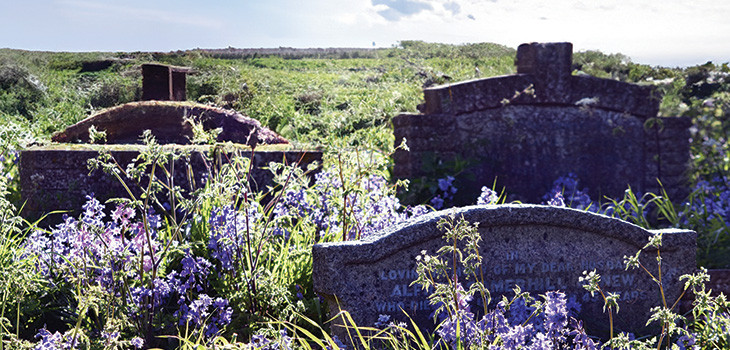
How do we regulate the treatment of the dead? Athelstane Aamodt digs up the truth

The allegations that have been made about Legacy Independent Funeral Directors in Hull have caused a great deal of shock, not least to the bereaved families who—so it is claimed—received cremated remains that were not those of the loved one that they had lost. Two suspects were arrested and released on police bail.

Among the offences that the two suspects are thought to have committed is prevention of a lawful and decent burial, which is, like murder, an offence that only exists at common law. The offence, as is typical with old common-law offences, is capable of being punished with a fine and/or a prison sentence, neither of which has any limit. Prosecutions for this offence are rare. The Swedish billionaire Hans Kristian Rausing was convicted of it in 2012. (He did not alert the authorities about the death of his wife for two months.) He pleaded guilty and received a suspended sentence.

Burial & regulation

The

If you are not a subscriber, subscribe now to read this content
If you are already a subscriber sign in
...or Register for two weeks' free access to subscriber content

MOVERS & SHAKERS

Clarke Willmott—Matthew Roach

Clarke Willmott—Matthew Roach

Partner joins commercial property team in Taunton office

Farrer & Co—Richard Lane

Farrer & Co—Richard Lane

Londstanding London firm appoints new senior partner

Bird & Bird—Sue McLean

Bird & Bird—Sue McLean

Commercial team in London welcomes technology specialist as partner

NEWS
What safeguards apply when trust corporations are appointed as deputy by the Court of Protection? 
Disputing parties are expected to take part in alternative dispute resolution (ADR), where this is suitable for their case. At what point, however, does refusing to participate cross the threshold of ‘unreasonable’ and attract adverse costs consequences?
When it comes to free legal advice, demand massively outweighs supply. 'Millions of people are excluded from access to justice as they don’t have anywhere to turn for free advice—or don’t know that they can ask for help,' Bhavini Bhatt, development director at the Access to Justice Foundation, writes in this week's NLJ
When an ex-couple is deciding who gets what in the divorce or civil partnership dissolution, when is it appropriate for a third party to intervene? David Burrows, NLJ columnist and solicitor advocate, considers this thorny issue in this week’s NLJ
NLJ's latest Charities Appeals Supplement has been published in this week’s issue
back-to-top-scroll