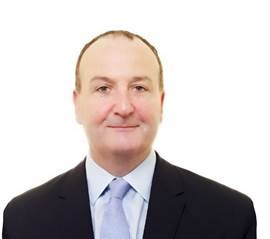
Winston & Strawn LLP is pleased to announce the expansion of the firm’s restructuring team with the addition of partner Paul Fleming to lead the restructuring and insolvency practice in the firm’s London office.
Paul has more than 25 years’ experience in advising creditors (including institutional lenders and bondholders), stakeholders, insolvency practitioners, and directors on complex domestic and cross-border restructurings and insolvencies. A licensed insolvency practitioner and a member of both R3 and INSOL, he focuses his practice on representing leading accountancy firms and multinational financial services companies.
Paul has acted for or with bondholder groups, advised on significant real estate positions, and acted in contentious matters, including those alleging fraud. He is known for his work on Abraaj, Lehmans, Peking University Finance Group, and other significant cross-jurisdictional matters.
'I am delighted to have the opportunity to lead and develop the Restructuring & Insolvency Practice in London, and I look forward to working seamlessly with my counterparts across the firm’s international offices,' Paul said. 'I have been impressed by Winston’s strategic development, as well as the depth of knowledge and commercial savvy of Winston’s London office. The development of the London Restructuring & Insolvency Practice is very well timed given current market conditions, and I am excited to be part of the office’s success story.'
Recognised for his practical approach, deft client handling, and strategic skills, Paul has represented clients across a broad range of industries, including financial services, private equity and funds, mining, hospitality, and real estate.
'Paul’s contacts, knowledge, and experience will equip our office with the critical corporate restructuring capabilities our clients require,” said London office managing partner Nicholas Usher. 'The depth and breadth he adds to our team’s expanding service offering is most welcome.'
'Paul is a highly respected figure in the UK and the international restructuring community,' said Winston chairman Tom Fitzgerald. 'He brings both local knowledge and a global perspective to the firm, which will allow him to provide high-caliber service to a diverse array of clients in both the public and private sector.'