



John McQuater, head of litigation and partner at Atherton Godfrey, has been appointed by the Law Society as a personal injury assessor.
Birketts LLP has appointed Oliver Crichton as senior associate in its commercial property department in Ipswich and solicitor Laura Burke to its employment team in Chelmsford.
Fladgate LLP has recruited David Weare as partner.
The Hill Dickinson insurance business team is expanding, hiring former DAC and Dewey & Lebeouf partner Nik Rochez to work in its London office.
Court of Appeal makes landmark decision on the award of costs to minors
Latest silk round appointments announced
Research highlights lack of female partners in law firms
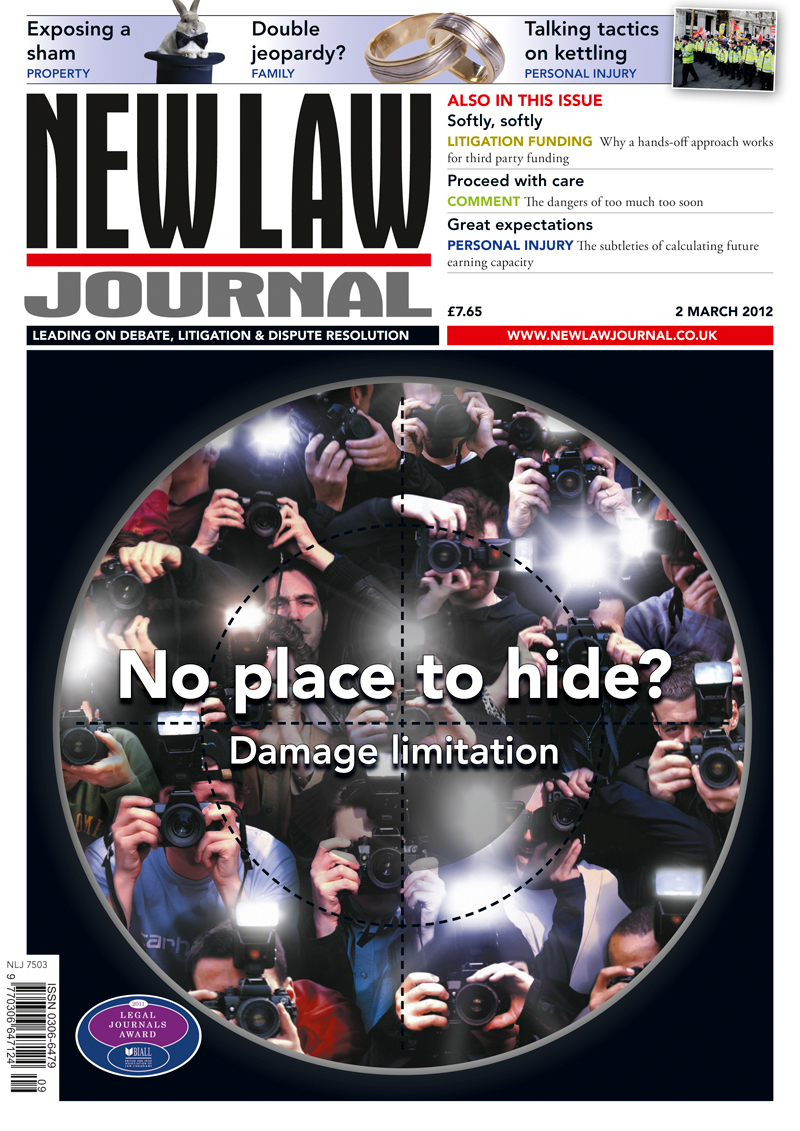
Lawyers must be aware of possible media backlash when instructing clients
SRA set to announce first alternative business structure
Insufficient link between chronic fatigue syndrome & work-related stress


MOVERS & SHAKERS


NLJ Career Profile: Hugo Plowman, Mishcon de Reya
From global fraud cases to fishing off-grid, Mishcon de Reya’s chair of dispute resolution Hugo Plowman discusses mentors, management switching off

Maguire Family Law—Jennifer Hudec, Ciara Florey, Alice Ferguson & Ruth Wynn
Maguire Family Law announces partner promotion and new hires amid a record year for enquiries

Switalskis—Rebecca Parry & Hannah Gamble
Switalskis wills and probate team extends reach with two appointments

