


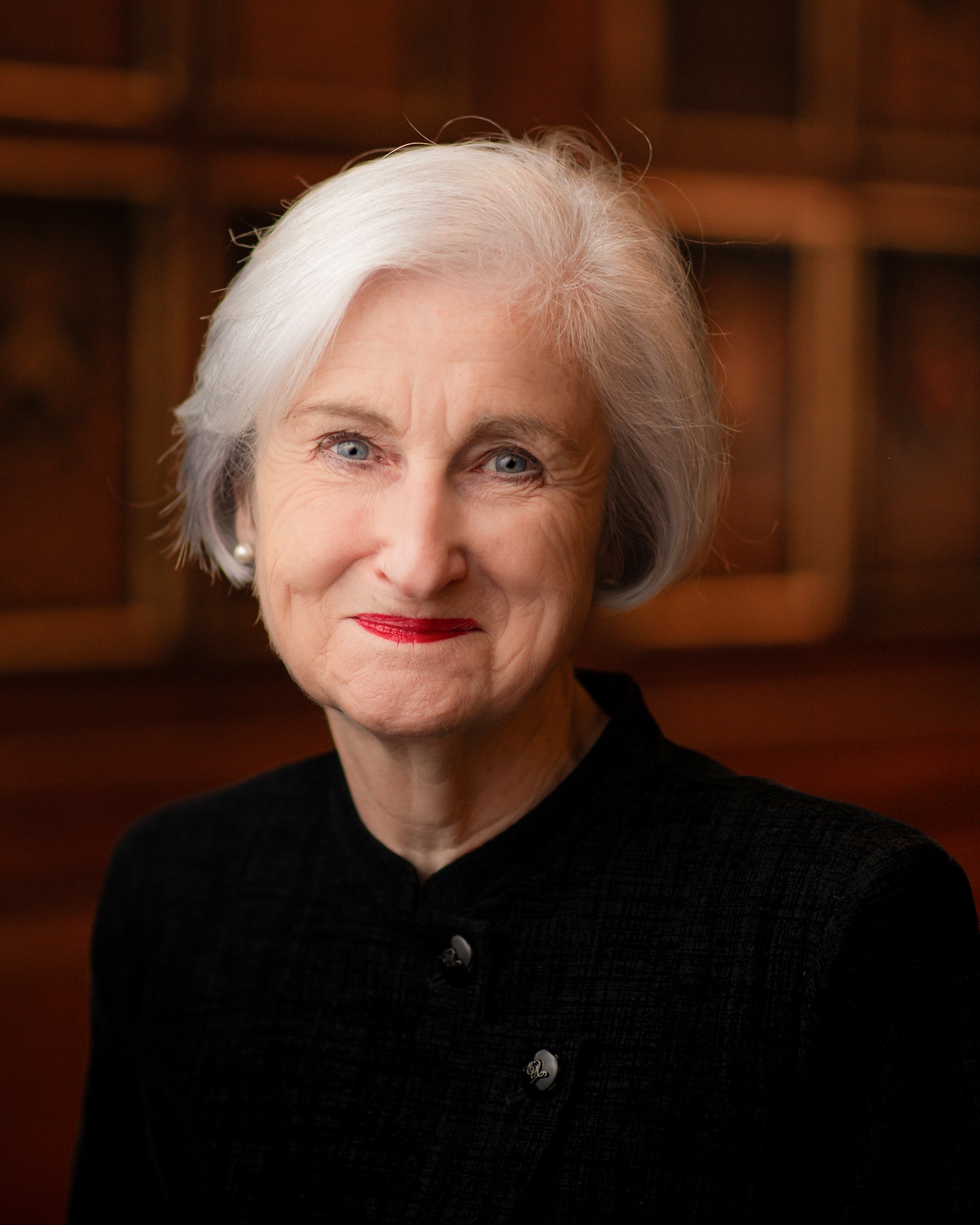
Groundbreaking judge Lady Justice Nicola Davies DBE has been appointed the new Chancellor of Aberystwyth University.
Dame Nicola Davies was born and brought up in Wales and grew up in Llanelli and Bridgend. She attended Bridgend Girls’ Grammar School and was the first in her family to attend university.
She worked in the City as an investment analyst, before being called to the Bar in 1976. She specialised in medical law encompassing clinical negligence, crime, regulatory work and inquiries and acted in a number of notable cases including Sidaway v Board of Governors of the Bethlem Hospital, the Cleveland Child Abuse Inquiry, and the Bristol Heart Surgeons Inquiry at the General Medical Council.
Lady Justice Nicola Davies was appointed Queen’s Counsel in 1992, a deputy High Court judge in 2003 and a High Court judge (Queen’s Bench Division) in 2010. Between 2014 and 2017 she was presiding judge of the Circuit in Wales and in 2018 was appointed to the Court of Appeal.
She was the first Welsh woman to hold all of these appointments, the first Welsh woman to be appointed as a Lady Justice of Appeal and is the first woman to be Chancellor of Aberystwyth University.
She has been co-convener of the Inns of Court Alliance for Women for the last two years and was the treasurer of Gray's Inn in 2023.
The Chancellor of Aberystwyth University has an important ceremonial and ambassadorial role, including representing the institution at major events such as graduation.
Speaking about her appointment, The Rt Hon Lady Justice Nicola Davies DBE said: 'It’s an enormous honour to have been appointed to this role. Central to Aberystwyth University’s mission is a commitment to deliver world-class education and research that strengthens Wales and the wider world. Within the University is an incredibly dedicated and supportive community of staff and students, which is so cherished.
'My commitment to education is particularly important as it is a formative part of my background. It was the years at Bridgend Grammar which set me on the path to professional success. I was the first in my family to attend university, and my background was not the “conventional” one for a person seeking entry to the Bar.
'I see this role as a chance to give back to both higher education and to Wales – both of which have been and continue to be central to my life and my character. I am profoundly grateful for the opportunity.'
Meri Huws, chair of Aberystwyth University Council, added: 'It is a great pleasure to welcome a distinguished judge of the stature of Lady Justice Nicola Davies to our community here in Aberystwyth. She has a depth of experience and talents that will be of great help to us as we look forward to the future.
'I would also like to put on record my thanks to her esteemed predecessor in the role, Lord Thomas of Cwmgïedd, for all his hard work for the institution and our recent successes.'
Aberystwyth University vice-chancellor Professor Jonathan Timmis added: 'Lady Justice Nicola Davies’ appointment is excellent news for us. I am looking forward to working with her as we continue to transform our organisation and make a significant contribution to meeting the challenges that are faced by us as a nation and the wider world.'


