header-logo header-logo

AI & copyright: in the creative frame

224743
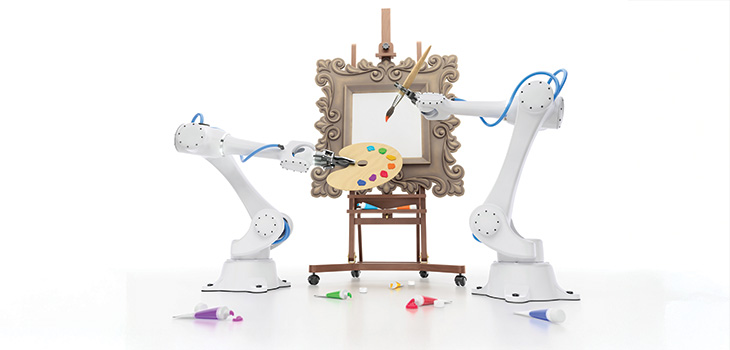
There is a clear tension between how users think they want to interact with AI & what the law actually says about how they can do so, says Ben Travers
  • As AI becomes a creative partner rather than just a tool, future legal debates will centre on authorship and ownership of AI-assisted works, challenging human-centric IP frameworks.

The case of Getty Images (US) Inc v Stability AI Ltd [2025] EWCA Civ 749 found itself back in the headlines as it made its way through the High Court last month. Eyes had rightly been on this development, as the legal issues which formed the basis of this case were numerous and complex. Prior to the primary copyright claim being dropped, it was hoped that the case would bring some much-needed clarity on the technical points it raised around AI training practices involving the direct copying and use of copyrighted data. Though no longer an extant problem in this case, outside the court room and out

If you are not a subscriber, subscribe now to read this content
If you are already a subscriber sign in
...or Register for two weeks' free access to subscriber content

MOVERS & SHAKERS

Quinn Emanuel—James McSweeney

Quinn Emanuel—James McSweeney

London promotion underscores firm’s investment in white collar and investigations

Ward Hadaway—Louise Miller

Ward Hadaway—Louise Miller

Private client team strengthened by partner appointment

NLJ Career Profile: Kate Gaskell, Flex Legal

NLJ Career Profile: Kate Gaskell, Flex Legal

Kate Gaskell, CEO of Flex Legal, reflects on chasing her childhood dreams underscores the importance of welcoming those from all backgrounds into the profession

NEWS
Overcrowded prisons, mental health hospitals and immigration centres are failing to meet international and domestic human rights standards, the National Preventive Mechanism (NPM) has warned
Two speedier and more streamlined qualification routes have been launched for probate and conveyancing professionals
Workplace stress was a contributing factor in almost one in eight cases before the employment tribunal last year, indicating its endemic grip on the UK workplace
In Ward v Rai, the High Court reaffirmed that imprecise points of dispute can and will be struck out. Writing in NLJ this week, Amy Dunkley of Bolt Burdon Kemp reports on the decision and its implications for practitioners
Could the Supreme Court’s ruling in R v Hayes; R v Palombo unintentionally unsettle future complex fraud trials? Maia Cohen-Lask of Corker Binning explores the question in NLJ this week
back-to-top-scroll