header-logo header-logo

All change at the top

07 June 2024 / Satnam Tumani
Issue: 8074 / Categories: Opinion , Fraud , Criminal , Commercial
printer mail-detail
176270
Satnam Tumani anticipates a more focused approach to tackling financial wrongdoings

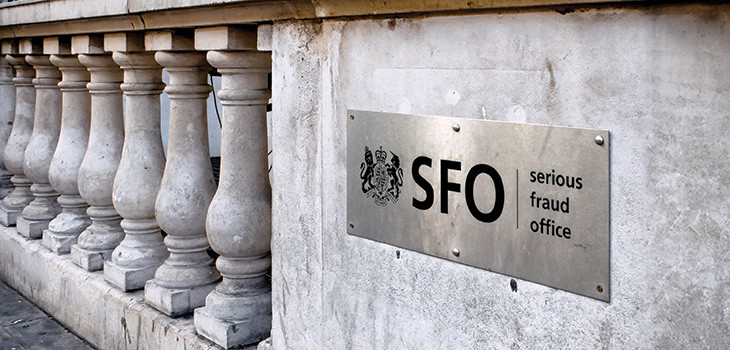
Various changes have taken place at the top of the leading white collar enforcement agencies. Nick Ephgrave was recently appointed director of the Serious Fraud Office (SFO), Therese Chambers and Steve Smart were appointed to head up the Financial Conduct Authority’s (FCA) enforcement division, and Stephen Parkinson has taken over as Director of Public Prosecutions (DPP). Following the general election on 4 July, the UK will have a new government, with Sir Keir Starmer currently in pole position to become the next prime minster.

In my experience a change of political colour at the top often leads to a change in focus for the various financial crime enforcement agencies. This dynamic may be amplified this time around by dint of three reasons.

First, Sir Keir is a former DPP. Second, there appears to be great appetite for change, albeit little appetite for spending public money in the pursuit of that change. Third, we may not have seen the

If you are not a subscriber, subscribe now to read this content
If you are already a subscriber sign in
...or Register for two weeks' free access to subscriber content

MOVERS & SHAKERS

Bloomsbury Square Employment Law—Donna Clancy

Bloomsbury Square Employment Law—Donna Clancy

Employment law team strengthened with partner appointment

mfg Solicitors—Matt Smith

mfg Solicitors—Matt Smith

Corporate solicitor joins as partner in Birmingham

Freeths—Joe Lythgoe

Freeths—Joe Lythgoe

Corporate director with expertise in creative industries joins mergers and acquisitions team

NEWS
The High Court’s decision in Mazur v Charles Russell Speechlys has thrown the careers of experienced CILEX litigators into jeopardy, warns Fred Philpott of Gough Square Chambers in NLJ this week
Sir Brian Leveson’s claim that there is ‘no right to jury trial’ erects a constitutional straw man, argues Professor Graham Zellick KC in NLJ this week. He argues that Leveson dismantles a position almost no-one truly holds, and thereby obscures the deeper issue: the jury’s place within the UK’s constitutional tradition
Why have private prosecutions surged despite limited data? Niall Hearty of Rahman Ravelli explores their rise in this week's NLJ 
The public law team at Herbert Smith Freehills Kramer surveys significant recent human rights and judicial review rulings in this week's NLJ
In this week's NLJ, Mary Young of Kingsley Napley examines how debarring orders, while attractive to claimants seeking swift resolution, can complicate trials—most notably in fraud cases requiring ‘particularly cogent’ proof
back-to-top-scroll