


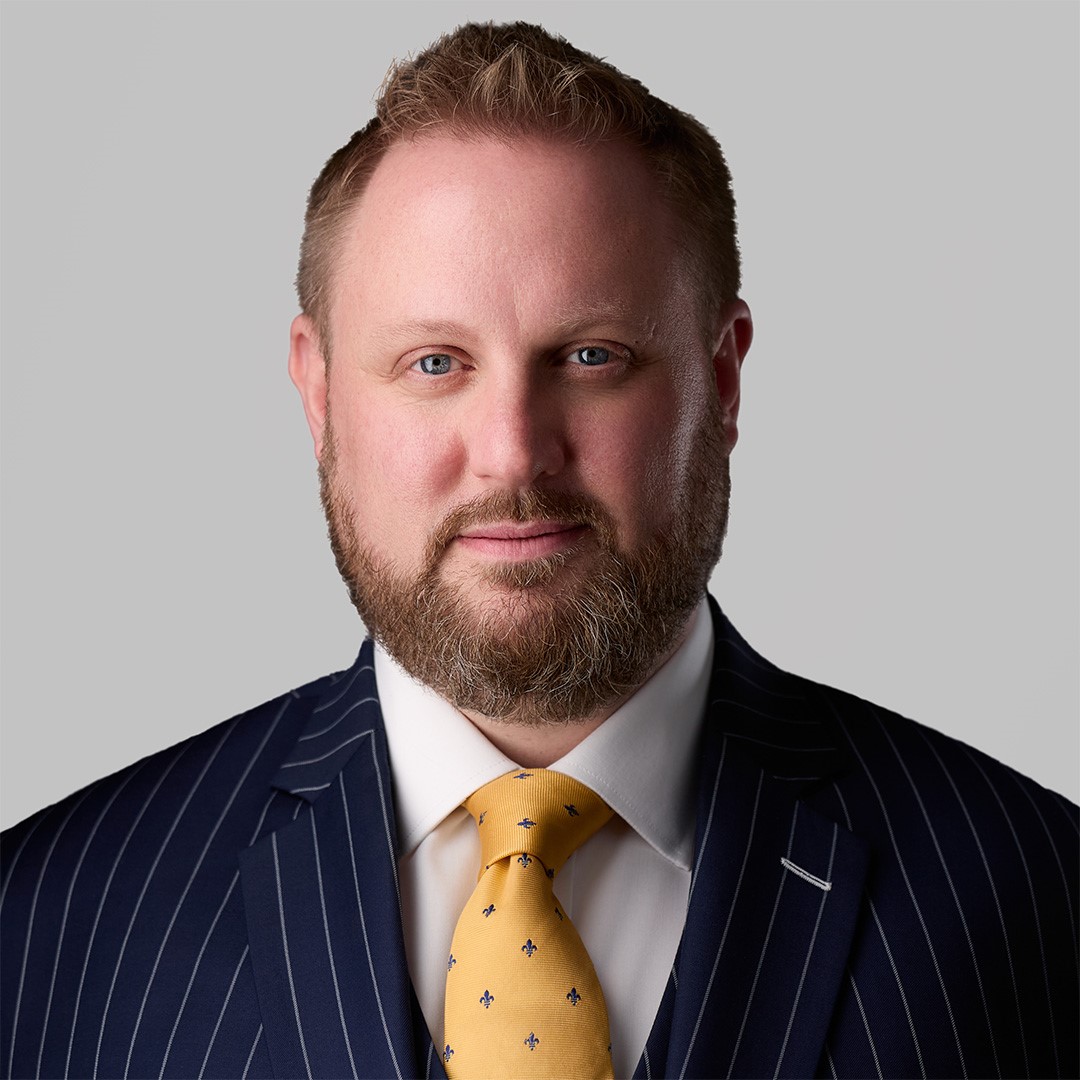
Bexley Beaumont has strengthened its presence in London with the appointment of a senior real estate partner.
Matthew Hearsum, who focuses on commercial and residential property disputes, has become Bexley Beaumont's 16th partner in the capital.
A qualified solicitor advocate, he is also the author of some of the leading textbooks on real estate law, including The Law of Construction Nuisance, The Law and Practice of Basement Extensions, (with Nicholas Isaac KC) and The New Party Wall Casebook.
Bexley Beaumont's co-founder and chief executive, Karen Bexley, described how Mr Hearsum was another valuable addition to the boutique firm's real estate team.
She said that his arrival added significant momentum for Bexley Beaumont's London operations.
'Matthew's decision to join us is yet another statement of belief by lawyers operating across the full range of commercial disciplines in the capital and the broader South East that we offer the kind of environment to help them further develop their practices.
'We have established a relatively unique model, at the heart of which is a focus on allowing lawyers to really capitalise on having greater autonomy over how they work.
'It is something which is very different to what's available and we firmly believe that is why so many lawyers who have already been successful elsewhere have recognised that they can work with us.
'I should stress that we are not simply interested in growth for its own sake. We have no intention of diluting the culture that we have, as it is an integral part of our progress to date and our strategy for the future.
'That an increasing number of London lawyers appreciate that and are coming aboard indicates the great merits in what we're doing.'
Over the course of a career spanning almost 20 years, Mr Hearsum has acted for commercial and residential clients in relation to a broad variety of property disputes, including appearing as a solicitor advocate in First-tier Tribunals and hearings in the County Court, High Court and the Court of Appeal.
In addition, he is a practitioner of non-court dispute resolution (NCDR) and also an accredited mediator and arbitrator.


