header-logo header-logo

29 March 2024 / Lucy Blake
Issue: 8065 / Categories: Opinion , Fraud
printer mail-detail

Bold beginnings at the SFO

166027
Does Nick Ephgrave’s appointment herald a new era for the Serious Fraud Office? Lucy Blake predicts the beleaguered SFO may be about to change tack

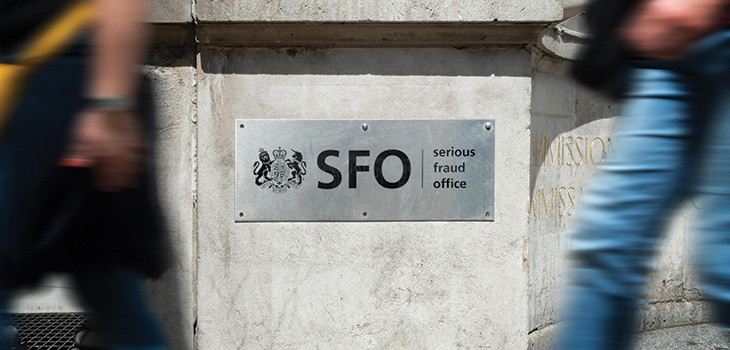
The Serious Fraud Office (SFO) has endured considerable flack in recent years following several high-profile collapsed prosecutions and closed investigations. The decision not to renew Lisa Osofsky’s tenure but instead appoint Nick Ephgrave, a former police officer, as the organisation’s new director (the first non-lawyer to hold the SFO’s directorship in its 35-year history) was interpreted by many as an indication of a change in direction for the agency.

An early clue as to Ephgrave’s strategy and priorities for the coming five years came in February, when he gave his first public speech since replacing Osofsky in August 2023. After several months in the job, Ephgrave has had plenty of time to look under the bonnet and take stock of the SFO’s problems and how they might be fixed. His speech, and indeed many of his actions since joining, suggests he won’t be sitting on his hands.

Past

If you are not a subscriber, subscribe now to read this content
If you are already a subscriber sign in
...or Register for two weeks' free access to subscriber content

MOVERS & SHAKERS

Thomson Hayton Winkley—Jordan Wallace

Thomson Hayton Winkley—Jordan Wallace

Thomson Hayton Winkley strengthens family law team

Ward Hadaway—Barnaby Rosenthall

Ward Hadaway—Barnaby Rosenthall

Construction lawyer returns to Ward Hadaway in Teesside role

Bird & Bird—Shahin Baghaei

Bird & Bird—Shahin Baghaei

Bird Bird hires leading legal transformation expert

NEWS
Legal aid deserts leave almost one in four without adequate access to justice
The Solicitors Regulation Authority (SRA) has warned solicitors and law firms that using artificial intelligence does not alter their professional obligations, amid concerns over inaccurate legal material and client confidentiality
From forgotten interest claims to case-management appeals, a string of procedural developments offers useful—and occasionally cautionary—lessons for practitioners

Jonathan Fisher KC highlights that it now accounts for around 40% of criminal offences, with roughly 70% involving technology, and argues that the UK cannot simply prosecute its way out of the problem. Detection, investigation and prosecution all require improvement, while different fraud types demand tailored responses.

How forcefully can a litigant criticise a public authority before robust advocacy crosses the line into unreasonable conduct? 
back-to-top-scroll