header-logo header-logo

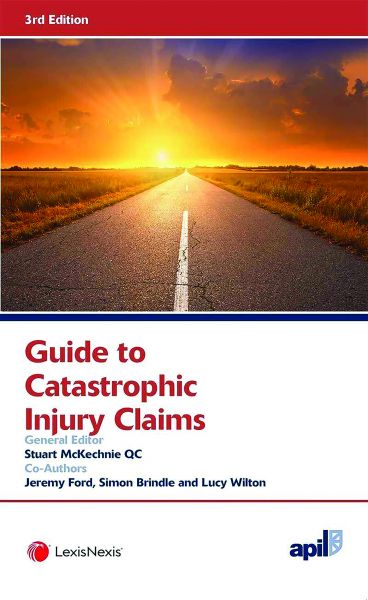
Book review – APIL Guide to Catastrophic Injury Claims (3rd edition)

19 February 2020 / Ben Posford
Issue: 7875 / Categories: Features , Personal injury
printer mail-detail

16212

General Editor: Stuart McKechnie QC
Co-authors: Jeremy Ford, Simon Brindle & Lucy Wilton
Publisher: Jordan Publishing, LexisNexis
ISBN: 9781784734206
RRP: £129.99


The 3rd edition of the Association of Personal Injury Lawyers’ Guide to Catastrophic Injury Claims is easy to read, insightful, and an absolute must-have text for personal injury practitioners acting for claimants who have sustained injuries of the utmost severity.

The previous (2nd) edition of the book was written in 2013, so there are plenty of reasons to update to the newer version, especially because there are many more chapters from medico-legal and other experts in their specialist fields than in the 2nd edition.

As well as chapters one would expect to see concerning spinal cord, brain and amputation injury claims, there are new chapters on assistive technology (by Mike Gomm), pain management (by Raj Munglani), statutory funding (by Sue Peters), capacity & the Court of Protection (by Ian Potter and Jane Netting from Wrigleys), and life expectancy

If you are not a subscriber, subscribe now to read this content
If you are already a subscriber sign in
...or Register for two weeks' free access to subscriber content

MOVERS & SHAKERS

Muckle LLP—Rachael Chapman

Muckle LLP—Rachael Chapman

Sports, education and charities practice welcomes senior associate

Ellisons—Carla Jones

Ellisons—Carla Jones

Partner and head of commercial litigation joins in Chelmsford

Freeths—Louise Mahon

Freeths—Louise Mahon

Firm strengthens Glasgow corporate practice with partner hire

NEWS
One in five in-house lawyers suffer ‘high’ or ‘severe’ work-related stress, according to a report by global legal body, the Association of Corporate Counsel (ACC)
The Legal Ombudsman’s (LeO’s) plea for a budget increase has been rejected by the Law Society and accepted only ‘with reluctance’ by conveyancers
Overcrowded prisons, mental health hospitals and immigration centres are failing to meet international and domestic human rights standards, the National Preventive Mechanism (NPM) has warned
Two speedier and more streamlined qualification routes have been launched for probate and conveyancing professionals
Workplace stress was a contributing factor in almost one in eight cases before the employment tribunal last year, indicating its endemic grip on the UK workplace
back-to-top-scroll