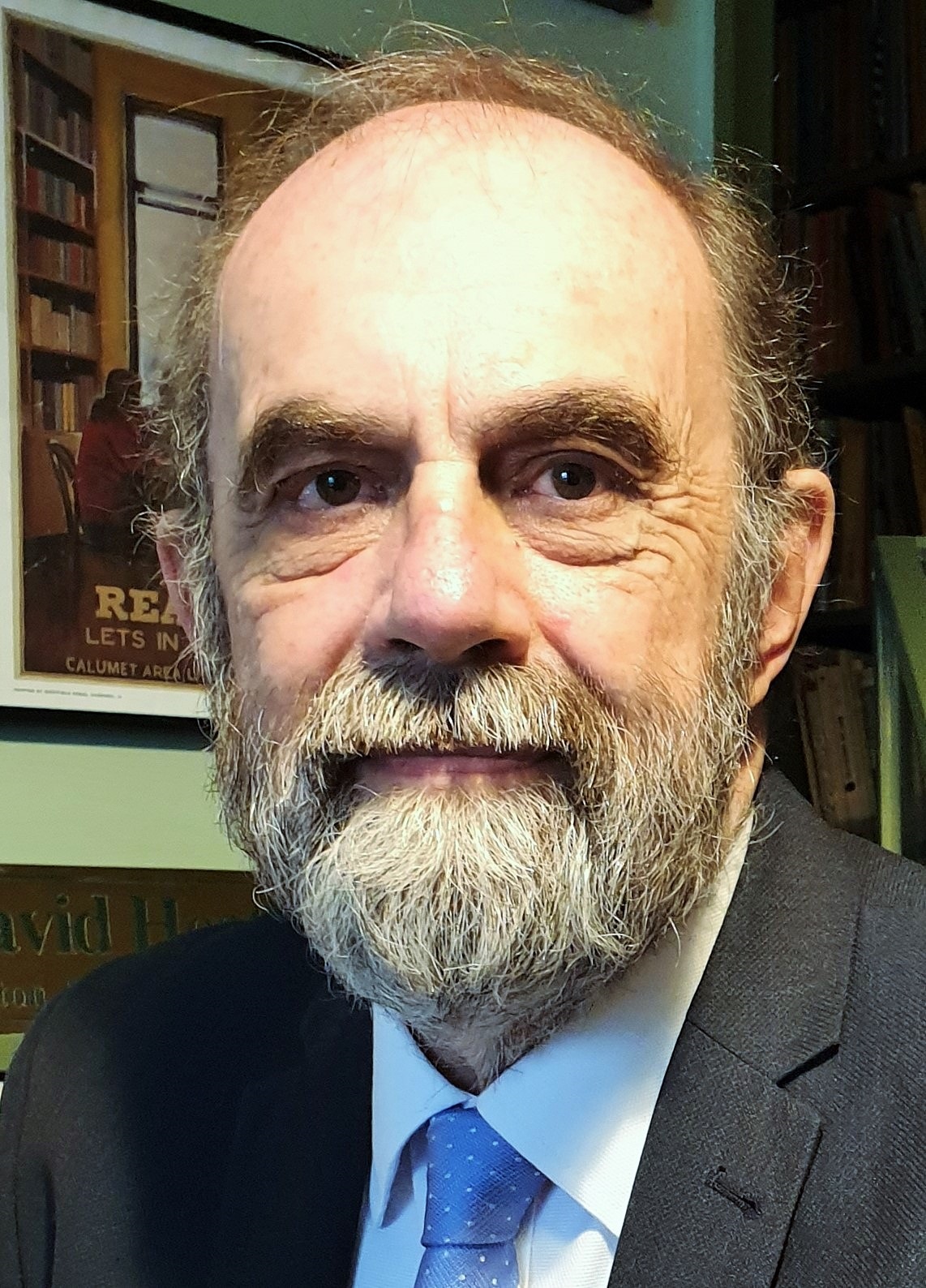
Former government minister David Heath will this week take over as the new chair of the Costs Lawyer Standards Board (CLSB), the independent regulator of costs lawyers.
Until recently the senior independent director on the board of the Solicitors Regulation Authority (SRA), he takes over from Steve Winfield, who has been in post for seven years. He will lead a five-strong board, a majority of whom are lay members.
Mr Heath has served in a variety of roles in government, at both national and local level, and as a member of a number of regulatory boards. A qualified optician, he was for 18 years a Liberal Democrat MP, and served in government as Deputy Leader of the House of Commons and as Minister of State at DEFRA, before stepping down at the 2015 election.
In opposition, he worked principally in the fields of home affairs and criminal justice, shadowing the Lord Chancellor and serving on the justice select committee – he was also on the committee that scrutinised what became the Legal Services Act 2007.
Mr Heath said: “My experience made the CLSB an attractive opportunity. Its effectiveness has improved significantly over the last 18 months, as recognised by the Legal Services Board, and my role is to ensure that the public is properly protected while regulating Costs Lawyers in a fair and proportionate way.
“We will not be regulating for the sake of it – only where it has a positive impact on the public and/or the profession.
“The work of Costs Lawyers is vital to the operation of the justice system and law firms’ businesses. We will be pressing the case for the title of ‘Costs Lawyer’ to have statutory protection, and for the work of Costs Lawyers to be reserved legal activities – moves supported last year by Professor Stephen Mayson in his report on the regulation of the legal profession.”
Claire Green, chair of the Association of Costs Lawyers, the representative body for Costs Lawyers, said: “David has the perfect mix of experience and qualities for this post. There are big issues facing our profession as a small but important corner of the legal market, and David’s know-how should help steer us through them. The ACL looks forward to maintaining the constructive dialogue it has developed with the regulator.”