header-logo header-logo

02 November 2012 / Peter Thompson KC
Issue: 7536 / Categories: Opinion , EU , Family
printer mail-detail

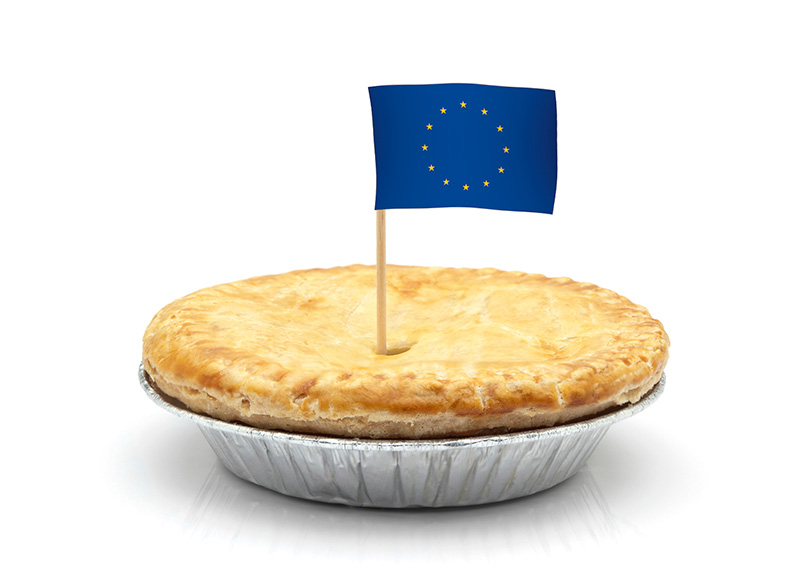
European pie

istock_000008775282medium_path_4

What has Europe done to protect the necessities of motherhood? Peter Thompson QC reports

In western democracies, motherhood is generally seen as a good thing, a praiseworthy status, something it would be dangerous to criticise or cast doubt on. In Europe, motherhood may not be bracketed with apple pie, as it is in the US, but there is at least wide recognition that the survival of the human race depends on it. Indeed cautious steps have been taken in the last 50 years to see that women are not disadvantaged in society and in the market place by the necessities of motherhood.

Sex Discrimination Act

The UK was an early leader. The Sex Discrimination Act 1975 (SDA 1975) provided, obliquely, that discrimination on the ground of pregnancy could amount to sex discrimination. However, the framework of SDA 1975 seemed to require the courts to compare a pregnant woman with a man with an incapacitating illness and to find discrimination against the pregnant woman only if the sick man would have been treated

If you are not a subscriber, subscribe now to read this content
If you are already a subscriber sign in
...or Register for two weeks' free access to subscriber content

MOVERS & SHAKERS

Clarke Willmott—Matthew Roach

Clarke Willmott—Matthew Roach

Partner joins commercial property team in Taunton office

Farrer & Co—Richard Lane

Farrer & Co—Richard Lane

Londstanding London firm appoints new senior partner

Bird & Bird—Sue McLean

Bird & Bird—Sue McLean

Commercial team in London welcomes technology specialist as partner

NEWS
What safeguards apply when trust corporations are appointed as deputy by the Court of Protection? 
Disputing parties are expected to take part in alternative dispute resolution (ADR), where this is suitable for their case. At what point, however, does refusing to participate cross the threshold of ‘unreasonable’ and attract adverse costs consequences?
When it comes to free legal advice, demand massively outweighs supply. 'Millions of people are excluded from access to justice as they don’t have anywhere to turn for free advice—or don’t know that they can ask for help,' Bhavini Bhatt, development director at the Access to Justice Foundation, writes in this week's NLJ
When an ex-couple is deciding who gets what in the divorce or civil partnership dissolution, when is it appropriate for a third party to intervene? David Burrows, NLJ columnist and solicitor advocate, considers this thorny issue in this week’s NLJ
NLJ's latest Charities Appeals Supplement has been published in this week’s issue
back-to-top-scroll