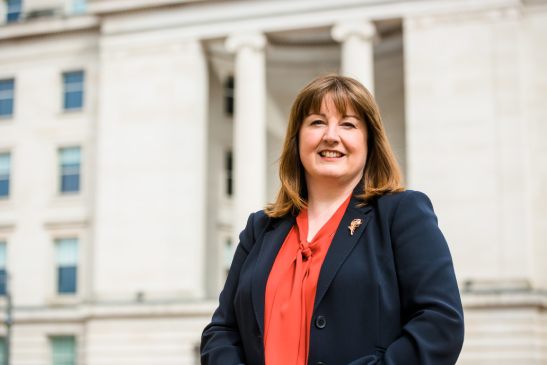
Helen, who is also chair of the NHS Pensions Board, has more than 25 years’ wide-ranging experience in the sector dealing with all aspects of pensions legal advice to trustees and corporates.
During her extensive career she has advised a wide variety of pension schemes and projects— including multi-billion pound scheme mergers and demergers; advice on liability management projects, buy-ins and buy-outs; dealings with The Pensions Regulator; scheme governance and compliance matters, and pensions disputes.
In 2018, Helen was an expert witness to the Parliamentary Work & Pensions Select Committee. She was appointed Chair of the NHS Pensions Board by the secretary of state for health and social care in 2019. The statutory body is responsible for governance of the NHS Pension Scheme, which has over three million members.
Helen, who is based in the Midlands, said: ‘Having worked at partner level in two major international law firms, I wanted to move somewhere that would allow me to continue my expert practice while staying close to clients; it’s the relationship with my clients that really motivates me as a lawyer.
‘gunnercooke’s flexible model has great appeal, and several long-standing clients recognised quickly how it fits my style of working with them. It not only facilitates closeness to my clients, but it also gives me the freedom to develop my role with the NHS Pensions Board, and other board appointments I hold, including pension scheme trusteeship.
‘There are now six pensions specialists across the gunnercooke team, all of whom I know and greatly respect. Together we make a formidable team that can make a real difference to clients as they grapple with the many challenges and responsibilities of this important area.’
gunnercooke co-founder Sarah Goulbourne said: ‘Helen’s decision to join us is a major coup for the firm and shows the appeal of our unique model, which allows experienced lawyers at the top of their game to take control of their own careers and work in a more satisfying way.
‘While our model is almost ten years old, it feels very much of the moment in a post-coronavirus world; we are currently seeing record numbers of enquiries from lawyers looking to rebalance their lives and their careers.’