header-logo header-logo

Held to account

23 October 2015 / Neil Parpworth
Issue: 7673 / Categories: Features , Public , Constitutional law
printer mail-detail
nlj_7673_parpworth

MPs lobbying ministers: a basis for legal challenge? Neil Parpworth reports

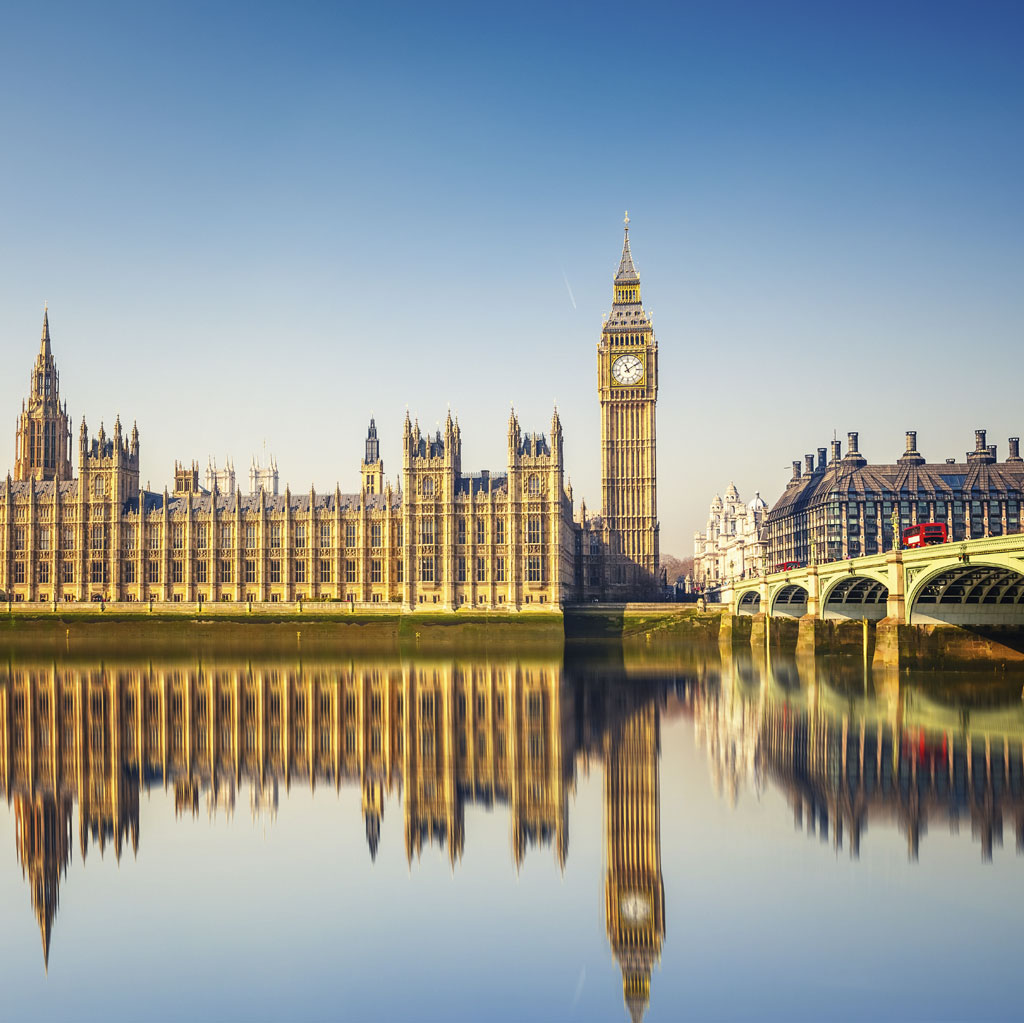
It is well understood that one of the main roles of the backbench MP at Westminster is to hold the government of the day to account for its acts and omissions. In practice, this can be achieved through various means, including written and oral questions to ministers, debates in parliament and the work of departmental select committees on which MPs may serve. While these opportunities mostly arise in a formal setting, access to ministers may also be obtained behind the scenes, in the tea room and bars of the House of Commons or when MPs vote by passing through the “Aye” or “No” lobbies which adjoin the chamber. Indeed, the opportunity which this archaic form of voting presents to a backbench MP to buttonhole a minister in the absence of the minister’s retinue appears to be a key reason why the Westminster Parliament continues to eschew electronic voting. With the doors of the lobbies locked and MPs waiting to file through, a backbencher has the

If you are not a subscriber, subscribe now to read this content
If you are already a subscriber sign in
...or Register for two weeks' free access to subscriber content

MOVERS & SHAKERS

Birketts—Michael Conway

Birketts—Michael Conway

IP partner joins team in Bristol to lead branding and trade marks practice

Blake Morgan—Daniel Church

Blake Morgan—Daniel Church

Succession and tax team welcomes partner inLondon

Maguire Family Law—Jennifer Hudec

Maguire Family Law—Jennifer Hudec

Firm appoints senior associate to lead Manchester city centre team

NEWS
Ministers’ proposals to raise funds by seizing interest on lawyers’ client account schemes could ‘cause firms to close’, solicitors have warned
Pension sharing orders (PSOs) have quietly reached their 25th anniversary, yet remain stubbornly underused. Writing in NLJ this week, Joanna Newton of Stowe Family Law argues that this neglect risks long-term financial harm, particularly for women
A school ski trip, a confiscated phone and an unauthorised hotel-room entry culminated in a pupil’s permanent exclusion. In this week's issue of NLJ, Nicholas Dobson charts how the Court of Appeal upheld the decision despite acknowledged procedural flaws
Is a suspect’s state of mind a ‘fact’ capable of triggering adverse inferences? Writing in NLJ this week, Andrew Smith of Corker Binning examines how R v Leslie reshapes the debate
The Ministry of Justice (MoJ) has not done enough to protect the future sustainability of the legal aid market, MPs have warned
back-to-top-scroll