header-logo header-logo

25 October 2024 / Claudia-Lauren Williams
Issue: 8091 / Categories: Features , Criminal , Mental health
printer mail-detail

It’s time to talk about stalking

194063
Claudia-Lauren Williams explores the criminal justice response to stalking & asks: is it adequate?
  • Sets out the two stalking offences under the Protection from Harassment Act 1997, comparing their particulars, sentences and limitations, before exploring the investigative difficulties and evidential hurdles.
  • Considers the use of Stalking Protection Orders, and discusses the link between stalking behaviours and mental health disorders, highlighting the lack of research and the need for a new approach.

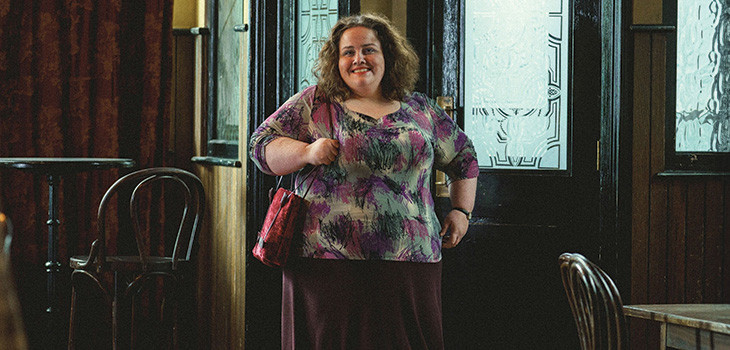
Stalking has been a recurring topic of conversation in recent months, particularly since the release of the Emmy award-winning Netflix series Baby Reindeer, which is widely understood to reflect a dramatised depiction of the true-to-life experience of stalking, by producer and star Richard Gadd, as Donny Dunn.

Baby Reindeer is a cautionary tale about the ease with which people can gain access to our lives, and how difficult it can be to stop those intent on pursuing contact. In the modern world, plastering our lives on social media has become normalised—the coffee shops we visit, the

If you are not a subscriber, subscribe now to read this content
If you are already a subscriber sign in
...or Register for two weeks' free access to subscriber content

MOVERS & SHAKERS

Thackray Williams—Lucy Zhu

Thackray Williams—Lucy Zhu

Dual-qualified partner joins as head of commercial property department

Morgan Lewis—David A. McManus

Morgan Lewis—David A. McManus

Firm announces appointment of next chair

Burges Salmon—Rebecca Wilsker

Burges Salmon—Rebecca Wilsker

Director joins corporate team from the US

NEWS
What safeguards apply when trust corporations are appointed as deputy by the Court of Protection? 
Disputing parties are expected to take part in alternative dispute resolution (ADR), where this is suitable for their case. At what point, however, does refusing to participate cross the threshold of ‘unreasonable’ and attract adverse costs consequences?
When it comes to free legal advice, demand massively outweighs supply. 'Millions of people are excluded from access to justice as they don’t have anywhere to turn for free advice—or don’t know that they can ask for help,' Bhavini Bhatt, development director at the Access to Justice Foundation, writes in this week's NLJ
When an ex-couple is deciding who gets what in the divorce or civil partnership dissolution, when is it appropriate for a third party to intervene? David Burrows, NLJ columnist and solicitor advocate, considers this thorny issue in this week’s NLJ
NLJ's latest Charities Appeals Supplement has been published in this week’s issue
back-to-top-scroll