header-logo header-logo

25 November 2016 / Athelstane Aamodt
Issue: 7724 / Categories: Features , Profession
printer mail-detail

Judge & fury

nlj_7724_aamondt

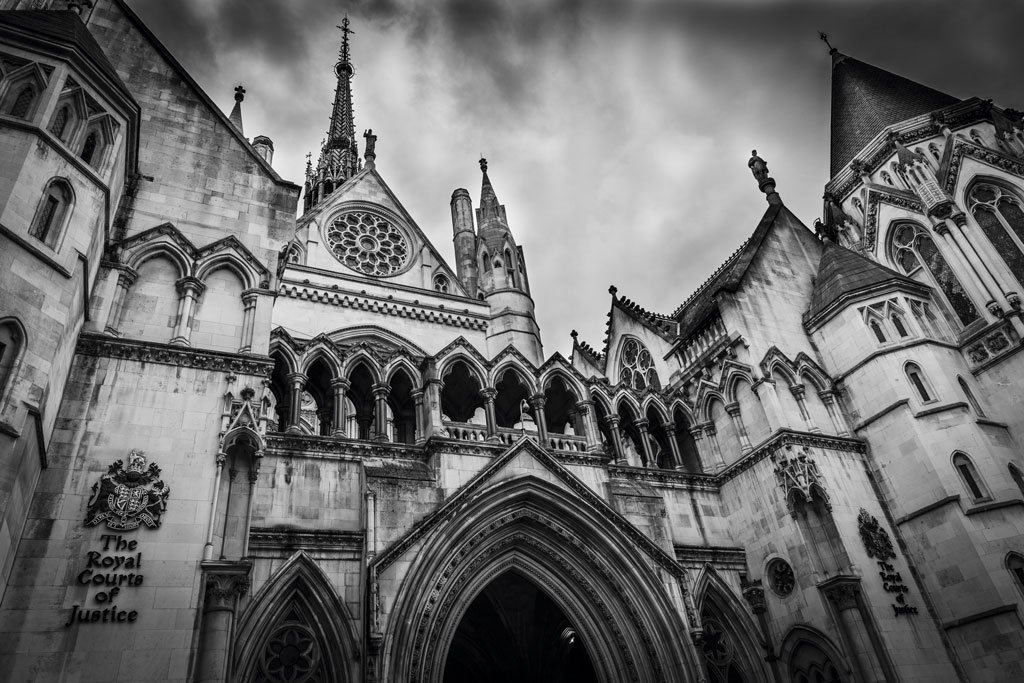
When does criticism of judges become contempt, asks Athelstane Aamodt

The result in the case of R (Miller) v Secretary of State for Exiting the European Union [2016] EWHC 2768 (Admin) was always going to be controversial given the heat of the political debate surrounding the UK’s vote to leave the EU. However, the judgment given by the Lord Chief Justice (Lord Thomas) and the Master of the Rolls (Sir Terence Etherton) and Sales LJ resulted in the judges being personally attacked in certain sections of the press. The Daily Mail described the judges as “Enemies of the People” on the front page of its 4 November edition, along with pictures of the judges, and bizarrely singled out Sir Terence for being an “openly gay ex-Olympic fencer” as if this was somehow opprobrious. The Daily Telegraph on the same day ran the headline “The Judges Versus the People”(also with pictures of the judges) and—in so many words—accused the judges of frustrating Brexit.

Déjà vu

The tone and substance of these attacks were condemned by many.

If you are not a subscriber, subscribe now to read this content
If you are already a subscriber sign in
...or Register for two weeks' free access to subscriber content

MOVERS & SHAKERS

Walkers—Muriel Marseille

Walkers—Muriel Marseille

Ashurst's Chief Risk Officer joins Walkers

Excello Law—John Osborne

Excello Law—John Osborne

Northern family lawyer John Osborne joins Excello

mfg Solicitors—Rebecca Rogers, Kennedy Langley & Victoria Griffiths

mfg Solicitors—Rebecca Rogers, Kennedy Langley & Victoria Griffiths

Trio of promotions announced at Kidderminster law firm mfg Solicitors

NEWS
A sole director can conspire with their own company for the purposes of the tort of unlawful means conspiracy, the High Court has ruled in a judgment with potentially wide implications for business disputes
The Court of Appeal has reinforced that domicile depends on intention rather than residence alone, in a significant post-Brexit ruling on cross-border financial remedy claims
The Chancery Division's long history comes to an end this autumn as it is reborn as the Business and Property Division, prompting questions over whether the shake-up is really necessary
The Financial Conduct Authority (FCA) continues to show that failing to disclose regulatory issues can attract harsher consequences than the original misconduct itself
Rejecting a generous settlement can prove an expensive mistake, as two recent high-profile cases demonstrate
back-to-top-scroll