header-logo header-logo

Justice begins at home

244936

A fair & equitable profession? Joshua Purser & Govindi Deerasinghe explore some troubling research

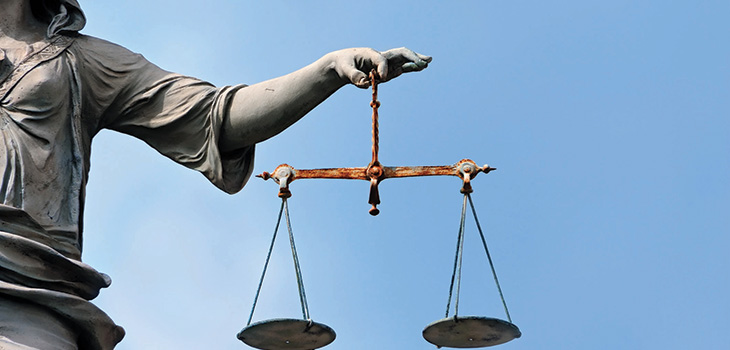
The legal profession is fond of describing itself as the guardian of fairness. We speak of equality before the law as if it were an agreed fact rather than a principle that must be continually defended. What the inaugural Global Justice 50/50 Report ‘Gender (In)Justice?’ makes patently clear is that the justice sector is failing to meet the standards it demands of others. Across 171 organisations assessed, the picture is consistent and troubling: power remains concentrated in the hands of a narrow demographic, and the legal profession’s internal inequities pose a direct threat to public trust.

The evidence is stark. Men still occupy 71% of top seats in global and regional courts and 80% in internationally operating elite law firms. Leadership is not only overwhelmingly male, but also overwhelmingly drawn from wealthy countries. 81% of holders of highest offices are nationals of high-income countries, while just 1% are women from low-income

If you are not a subscriber, subscribe now to read this content
If you are already a subscriber sign in
...or Register for two weeks' free access to subscriber content

MOVERS & SHAKERS

Ward Hadaway—19 promotions

Ward Hadaway—19 promotions

19 promotions across national offices, including two new partners

Brabners—Ruth Hargreaves

Brabners—Ruth Hargreaves

Partner promoted to head of corporate team

Slater Heelis—Liam Hall, Jordan Bear & Joe Madigan

Slater Heelis—Liam Hall, Jordan Bear & Joe Madigan

Chester office expansion accelerates with triple appointment

NEWS
The Court of Appeal’s decision in Mazur v Charles Russell Speechlys has reignited debate over what exactly counts as the ‘conduct of litigation’ in modern legal practice
A controversial High Court financial remedies ruling has reignited debate over secrecy, non-disclosure and fairness in divorce proceedings involving hidden wealth
Britain’s deferred prosecution agreement regime is undergoing a significant shift, with prosecutors placing renewed emphasis on corporate cooperation, reform and early self-reporting
The High Court has upheld the Metropolitan Police’s live facial recognition policy, rejecting claims that its deployment unlawfully interferes with privacy and protest rights
As AI chatbots increasingly provide legal and commercial advice, English law is beginning to confront who should bear responsibility when automated systems get things wrong
back-to-top-scroll