header-logo header-logo

16 October 2018 / David Wolchover
Categories: Features , Brexit , EU
printer mail-detail

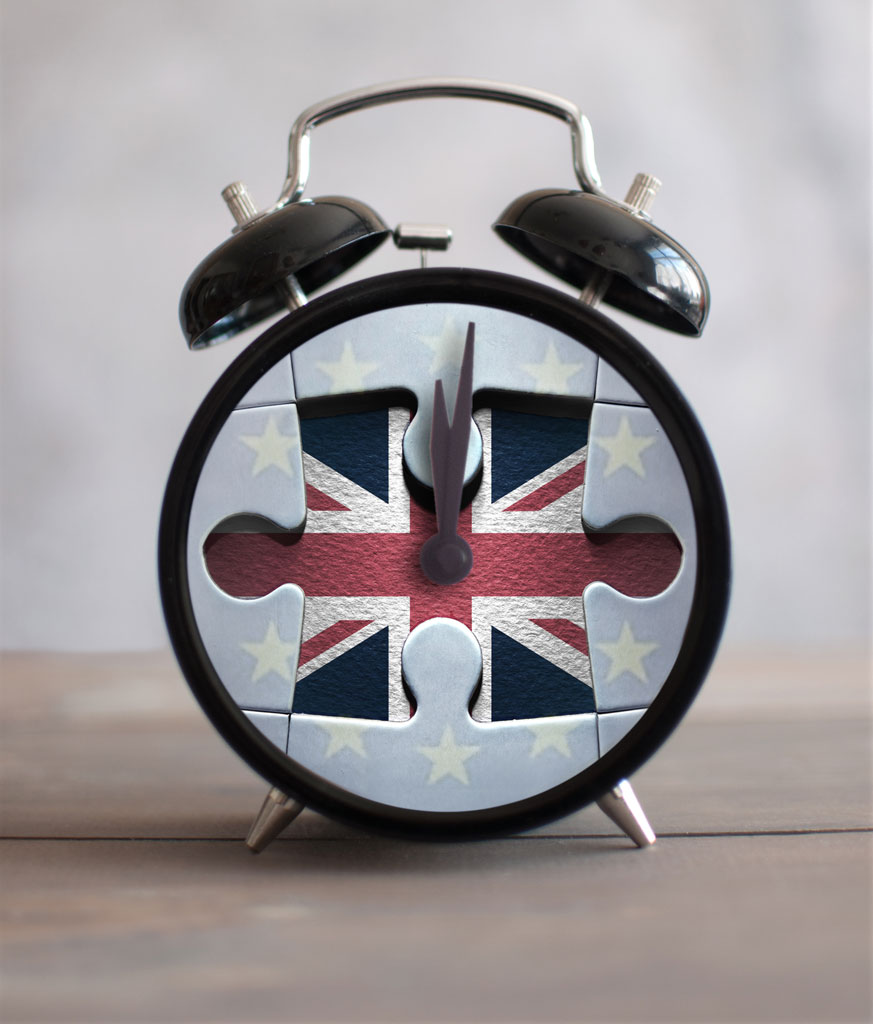
Litigating Brexit at the eleventh hour

nlj_7809_brexit

David Wolchover considers two impending challenges

  • Unreasonable actions, unlawful overspending and excluded expats: could it be possible that the outcomes of two upcoming lawsuits might cause a domino effect leading to the cancellation of the UK’s withdrawal from the EU?

With the Chequers proposals all but rejected at Salzburg by the 27 member states of the European Union (EU27) mounting fears are turning to panic that an impasse in the Brexit negotiation process will lead to the UK ‘crashing out’ of the EU without a deal on 29 March 2019. Indeed, the government’s perceived lack of direction may be shifting opinion significantly towards remaining in the EU (see Michael Savage, ‘More than 100 seats that backed Brexit now want to stay in EU’, The Observer, 11 August 2018; Nicholas Cecil, ‘Poll of polls: now we want to stay in,’ Evening Standard, 8 October, 2018). While the general thrust of polling suggests a high count in favour of, at the very least, a second referendum

If you are not a subscriber, subscribe now to read this content
If you are already a subscriber sign in
...or Register for two weeks' free access to subscriber content

MOVERS & SHAKERS

NLJ Career Profile: John McElroy, London Solicitors Litigation Association

NLJ Career Profile: John McElroy, London Solicitors Litigation Association

From first-generation student to trailblazing president of the London Solicitors Litigation Association, John McElroy of Fieldfisher reflects on resilience, identity and the power of bringing your whole self to the law

Clarke Willmott—Elaine Field

Clarke Willmott—Elaine Field

Planning and environment team expands with partner hire in Manchester

Birketts—Barbara Hamilton-Bruce

Birketts—Barbara Hamilton-Bruce

Firm appoints chief operating officer to strengthen leadership team

NEWS
A landmark Supreme Court ruling has underscored the sweeping reach of UK sanctions. In NLJ this week, Brónagh Adams and Harriet Campbell of Penningtons Manches Cooper say the regime is a ‘blunt instrument’ requiring only a factual, not causal, link to restricted goods
Fraud claims are surging, with England and Wales increasingly the forum of choice for global disputes. Writing in NLJ this week, Jon Felce of Cooke, Young & Keidan reports claims have risen sharply, with fraud now a major share of litigation and costing billions worldwide
Litigators digesting Mazur are being urged to tighten oversight and compliance. In his latest 'Insider' column for NLJ this week, Professor Dominic Regan of City Law School provides a cut out and keep guide to the ruling’s core test: whether an unauthorised individual is ‘in truth acting on behalf of the authorised individual’
Conflicting county court rulings have left landlords uncertain over whether they can force entry after tenants refuse access. In this week's NLJ, Edward Blakeney and Ashpen Rajah of Falcon Chambers outline a split: some judges permit it under CPR 70.2A, others insist only Parliament can authorise such powers
A wave of scandals has reignited debate over misconduct in public office, criticised as unclear and inconsistently applied. Writing in NLJ this week, Alice Lepeuple of WilmerHale says the offence’s ‘vagueness, overbreadth & inconsistent deployment’ have undermined confidence
back-to-top-scroll