


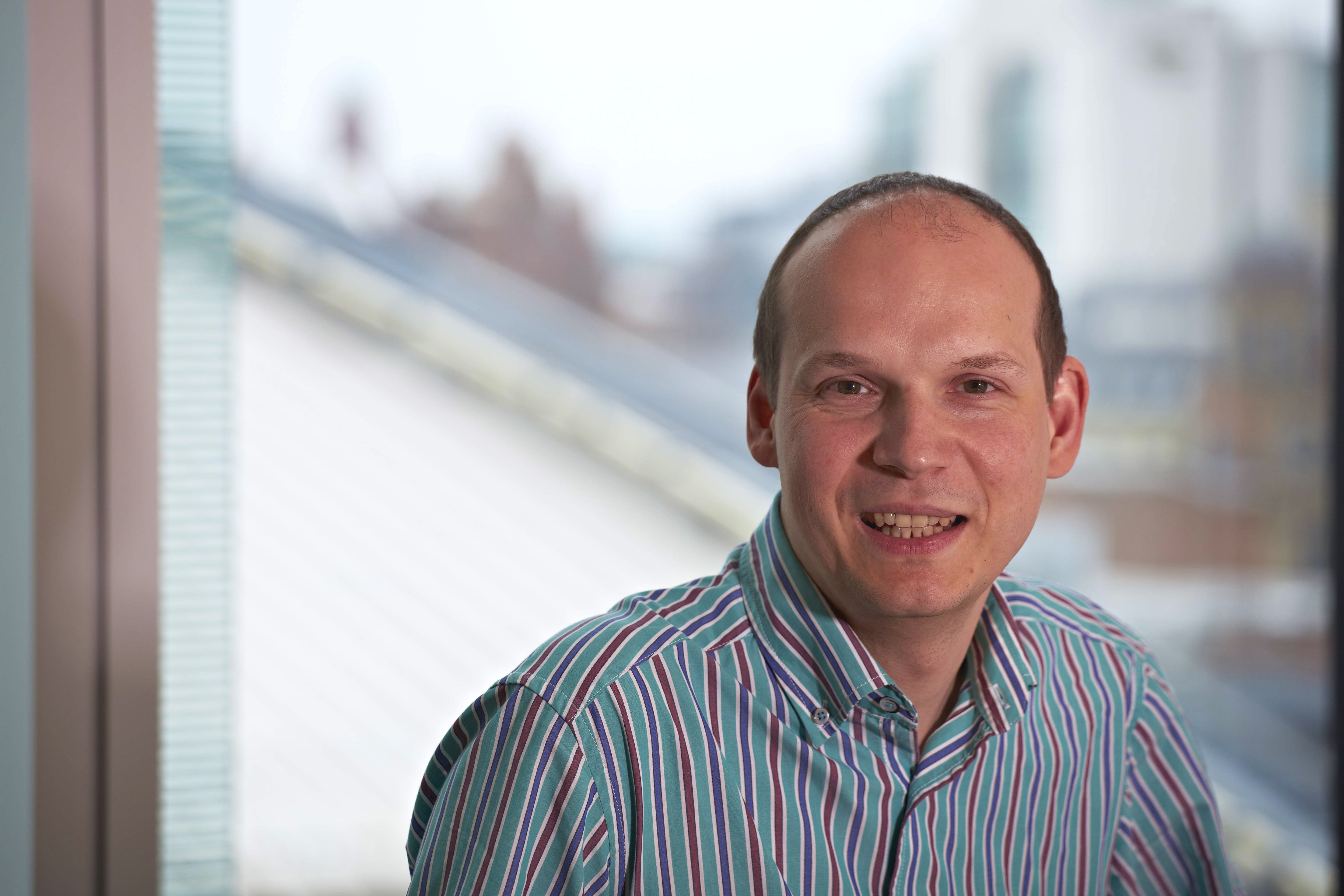
The new Austrian honorary consul on the challenge of working in two languages every day
Harald Loeffler, partner in the Manchester office of international law firm DAC Beachcroft, has been named Austrian honorary consul for the North West, Yorkshire and the Humber.
What was your route into the profession?
After studying law in Austria, I wanted to get an overview of the Anglo-American legal system. I therefore enrolled in a Postgraduate Degree in Law at what is now the University of Law in Chester and saw that all their other students applied for training contracts so I did the same. I was offered a training contract at DAC Beachcroft before my first lecture in England and 15 years later I am still here!
What has been your biggest career challenge so far?
As head of DAC Beachcroft's German desk, I work in two languages every day. Initially, this was extremely challenging. Although German is my native language, I found it difficult to switch from one language into the other. Picking up the phone and not knowing which language the call would be in was particularly daunting and I also had to reacquaint myself with German legal terminology as well as working out the closest equivalents between civil law and common law concepts. After a while, though, all this became second nature and it is now hugely rewarding that I am able to make the most of my background.
Which person within the legal profession inspires you most?
Hans Kelsen, one of the leading figures of continental European legal positivism and the main author of the Austrian constitution, which is still in place today, albeit with minor modifications, nearly 100 years later. While I don't go as far as one of the professors at my university in Austria who took a copy of the constitution with him wherever he went, the simplicity of the text together with its clear structure and reasoning inspire me to this day.
If you weren’t a lawyer, what would you choose as an alternate career?
Probably something in science or engineering. I have always been fascinated by both areas and to this day I remain very interested in how things work and where things come from. I had contemplated studying chemical engineering but in the end chose law instead!
Who is your favourite fictional lawyer?
Lionel Hutz from The Simpsons, of course—no doubt everyone's favourite fictional lawyer!
What change would you make to the profession?
I would improve the IT infrastructure of the courts and make more financial resources available for the administration of justice. So many day-to-day frustrations of litigators do not originate from the opposition but from having to deal with an under-resourced court system.
How do you relax?
Going back to Vienna, sitting in a café and reading a newspaper or simply watching the world go by.
Nominations for the Halsbury Legal Awards 2016, in association with NLJ, are now open. Visit the site to view all the categories and enter online. #Halsbury2016


.tmb-mov69x69.png?sfvrsn=9a8f1ea9_1)


