


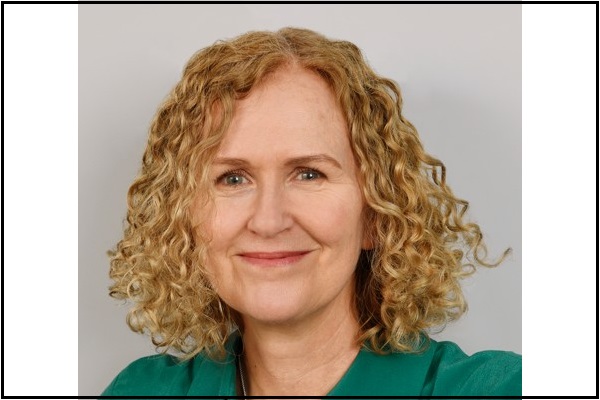
What was your route into the profession?
Now, I provide practical advice to general counsel (GCs), helping to develop their strategy, clearly articulate the value of the legal team, and boost productivity. At 18, though, I had little idea what I wanted to do. Languages and travel were my thing, and I was looking for something to combine with studying French. European law at Warwick with a year in France sounded interesting, so that’s what I chose, and it turned out that I enjoyed the law side of it more than I expected!
I joined Linklaters in 1992 as a trainee and was drawn to the fast pace of M&A and corporate transactions. After six years at Linklaters in the London and Paris corporate teams, I was offered a job with one of my clients—BT. Working as a lawyer in a company is a great job and I spent the next 20 years in telecoms at BT, O2 and Vodafone, with my most recent corporate role as GC for Vodafone Business covering legal, regulatory, risk, compliance and company secretary matters globally.
What has been your biggest career challenge so far?
Two challenges stand out: first, juggling a career and a family was tough, particularly in the early years and when there were few female role models around to show how it could be done. Later in my career I did all I could to make that struggle easier for working mothers, offering job shares, flexible working and setting up a Women in Business network at Vodafone.
Second, the transition from lawyer to leader was tricky. Philip (more on him below!) reminded me often that my role as a leader was to be the conductor of the orchestra—choosing the music, bringing the violins, cellos and flutes in at the right point, keeping everyone to time. I could not conduct while also trying to be first violin or play the cello or flute. That image helped me enormously.
Which person within the legal profession inspires you most?
A shout out here to Philip Bramwell, my mentor for 25 years. He is an ace lawyer, has a brilliant brain, is fun to be with, and supported me working three days a week in a senior role at BT and O2 when this just was not done.
Also, Justine Campbell, GC at National Grid, who was a colleague and then my boss and is now both a friend and a client. Justine makes the difficult job of being an effective GC look easy. She is strategic, super smart, a great leader and a long-time advocate for diversity and inclusion.
If you weren’t a lawyer, what would you choose as an alternate career?
My eldest daughter is just finishing medical school, and I am in awe of what she is already doing and what she will do in the future to help others. If I started out again (and was a bit less squeamish!) I would go to medical school.
Who is your favourite fictional lawyer?
So many to choose from! Ally McBeal and the fabulous Vonda Shepard soundtrack in the 1990s (although her life was far more glamorous than mine)? Elle Woods who destroys the stereotypes of a successful lawyer? Or perhaps Owen Hendricks, the CIA lawyer constantly in trouble in The Recruit, which I am watching right now?
What change would you make to the profession?
We need a full-scale digital transformation of the courts. There has been some progress in the last few years, but the system is still too slow and paper-based and is often inaccessible to the people who are most in need. Last year small claims took on average a year to be heard; fast-track cases took longer.
How do you relax?
I discovered meditation a few years ago, and I am trying really hard to build a few minutes into every day as it definitely makes me feel calmer. Apart from sitting on my mat, I love to run, cycle, do HIIT workouts at the gym, read, and listen to podcasts (Elizabeth Day’s How to Fail and Adam Fleming’s Newscast are my stand-out favourites).
Kerry Phillip, lawyer at The Legal Director.


