


What was your route into the profession?
I left school without any qualifications and at 18 was a single mum with very little support. I knew I wanted more for myself and my son, so I started from scratch at college, eventually gaining a law degree at City, University of London.
I received a couple of offers for training contracts, but tight finances and childcare requirements meant it was not going to be possible for me to follow the traditional route to qualification.
I was working as a paralegal when I became aware of CILEX and the option to study while working full-time. I was the first employee at Hill Dickinson to undertake the CILEX graduate apprenticeship, and that kickstarted my legal career.
What has been your biggest career challenge so far?
It would definitely be the early days of my career—the days when you feel like you have no idea what you are doing and question whether you are getting things right. Over time, I realised that this feeling was entirely normal and that the sense of uncertainty is part of growing in a demanding profession.
Which person within the legal profession inspires you most?
Baroness Brenda Hale. Not only for her legal brilliance, but for being a passionate champion for social mobility within the law. Her career is a reminder that the law should serve everyone, not just the privileged. She was the first woman to serve as president of the UK Supreme Court and consistently broke down barriers in a traditionally male dominated field. What a woman.
If you weren’t a lawyer, what would you choose as an alternate career?
This is a tricky one, as I cannot imagine not being a lawyer. I think it would be either going into politics to make a real impact serving the community, influencing change and helping to give a voice to underrepresented groups… or probably the more attractive option of working in a teashop on the Cornish coast. I am partial to the sea and a good scone!
Who is your favourite fictional lawyer?
Atticus Finch in To Kill a Mockingbird. He represents integrity and immense courage, and was a fierce advocate for equity in access to justice in legal representation. He stood up for what was right, maintained his ethical principles and used the law as a tool to promote equality in a time when most bowed down to societal norms and pressures.
What change would you make to the profession?
I would like to change how CILEX lawyers are perceived by much of the legal profession. CILEX has made huge strides in recent years, gaining recognition for its members’ specialist skills and expertise. Our members are partners in top firms, run their own businesses and are in senior judicial positions, but in some corners of the legal sector, the perception has not kept pace with the reality and there remains a lack of understanding of the role.
I want to ensure that all CILEX-qualified professionals are rightly recognised for their capabilities, experience and knowledge.
How do you relax?
To relax, I enjoy unwinding with a good sauna session followed by a cold plunge bath—it’s my way of having an hour of quiet time away from work, technology and the children, hitting the refresh button and getting ready to take on whatever comes next.
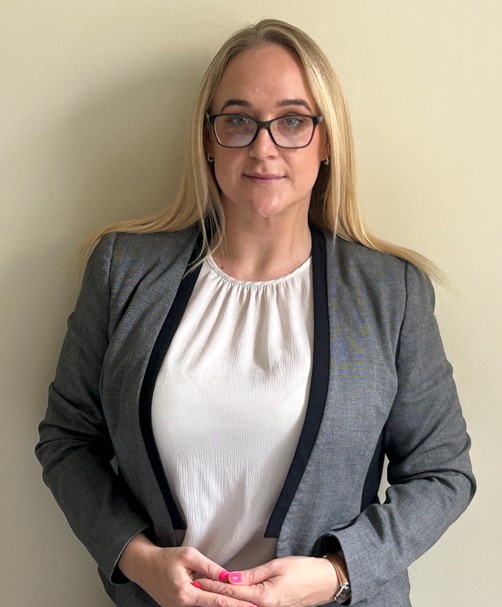
Sara Fowler, incoming CILEX president and Head of Clinical Services at Barking, Havering and Redbridge NHS Trust.


