


What was your route into the profession?
From an early age, I knew I wanted to help uphold the rule of law and stand up for the rights of groups who are scapegoated by others in their quest for power. I qualified as a solicitor in Australia, but my focus has always been on the question of how to strengthen checks on executive power at the systems level. So I started out at universities, became a longstanding associate fellow in the international law programme at Chatham House, and found a very happy home working on strategy, policy and advocacy at a number of wonderful human rights NGOs.
What has been your biggest career challenge so far?
I find most typical career challenges motivating, but it is quite another thing to lie in bed worrying about how to protect survivors of torture from violence in our communities as hate against refugees is stoked for political ends. At Freedom from Torture, we asked ourselves whether we needed to ease off campaigning to keep our service users and staff safe. Survivors themselves stiffened our resolve not to be silenced and instead to step up our defence of the absolute torture ban, including by making the case to the public for why Britain must never send survivors back into the arms of their torturers in Afghanistan, Iran or anywhere else.
Which person within the legal profession inspires you most?
The ‘magnificent Elizabeth Wilmshurst’, so described by Peter Hitchens in the Mail on Sunday for her ‘honour and integrity in the Iraq affair’. Elizabeth is an international ‘lawyer’s lawyer’, but it is her unfailingly principled approach which has always endeared her most to me, demonstrated by her resignation from the Foreign Office after law was manipulated to justify the invasion of Iraq, and her recent advice to the prosecutor of the International Criminal Court on evidence of international crimes in Palestine, even if this carried a personal risk of retaliatory US sanctions.
If you weren’t a lawyer, what would you choose as an alternate career?
I would probably have been some sort of analyst, but I would have been frustrated without real-world impact. I’m looking forward to joining the British Institute of International and Comparative Law, which is brimming with legal experts and has a tremendous track record for policy impact.
Who is your favourite fictional lawyer?
Atticus Finch from To Kill A Mockingbird. I love his line: ‘Our courts have their faults, as does any human institution, but in this country our courts are great levellers, and in our courts all men are created equal.’ Looking across at America, where I was born, I am thinking a lot about threats to the judiciary and other watchdogs and the need for all of us who spend most of our time faulting our institutions (including for the sexism we see in Atticus’ framing) to get ready to expand our focus from improving to defending them.
What change would you make to the profession?
Collective readiness to uphold professional ethics—even if the personal cost of doing so begins to rise.
How do you relax?
This is a deeply embarrassing admission, but when I am not being dragged around supporting my little girl’s ambition to become a pro footballer, I often run away to the back of the garden to dabble in the art of compost. I hope no one is reading this.
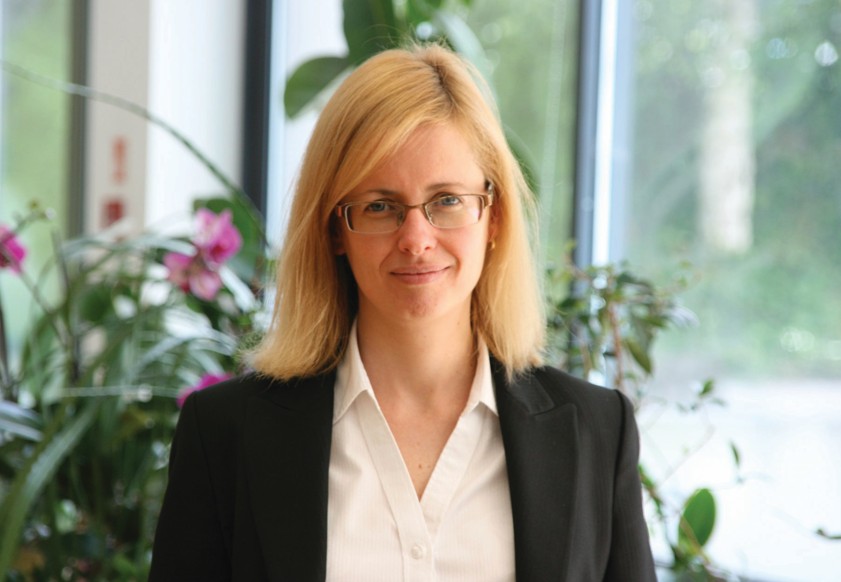
Sonya Sceats is chief executive of the charity Freedom from Torture, and will join the British Institute of International and Comparative Law (BIICL) as director and chief executive officer in April 2026.


